
 EN
EN
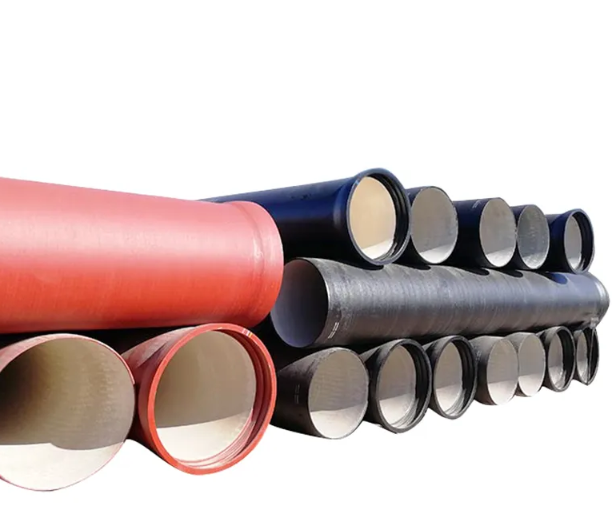
Exceptional Durability and Long-Term Performance of Ductile Iron Pipe
Microstructural Advantages: Nodular graphite and high tensile strength
The toughness of ductile iron pipes starts at the metal level itself. Instead of the brittle flakes we see in regular gray iron, these pipes have tiny spherical graphite structures inside them. What does this mean for performance? Well, they can handle pretty serious stress tests. We're talking about tensile strength around 420 MPa, stretching capability between 10% to 20%, and hardness below 230 HB on the scale. When compared to other materials that are either too stiff or just plain fragile, ductile iron actually bends under pressure instead of breaking apart. Think about what happens when soil shifts or water pressure spikes suddenly. The material flexes with those forces rather than cracking. This flexibility makes a big difference in the field. Fewer broken pipes during installation, less chance of leaks at connections, and overall better reliability over time. Plus, workers can still cut and fit these pipes easily even after years of service.
Real-World Longevity: 50+ year service life in major municipal systems
Looking at real world data across many decades of city water systems shows that ductile iron pipes last well over 50 years on average, sometimes stretching past 100 years when properly protected against corrosion. PVC and concrete pipes don't hold up as long though, usually needing replacement somewhere between 40 to 70 years old, particularly in areas with chemically active soils that eat away at materials faster. According to AWWA research, cities using ductile iron for their main water lines see about half the leaks compared to other pipe types after just 30 years in service, even in places where the ground has low electrical resistance below 1,000 ohm-cm levels. What makes this possible? Ductile iron naturally resists rust better than most alternatives, plus it works really well with protective linings and coatings that meet building codes. These properties help keep our water systems running strong for longer periods without constant repairs or expensive replacements down the road.
Comparative Mechanical Properties
| Property | Ductile Iron Pipe | Standard PVC | Concrete Pipe |
|---|---|---|---|
| Tensile Strength | ≥420 MPa | 40–55 MPa | 3–5 MPa |
| Elongation | 10–20% | 15–45% | 0.01–0.05% |
| Pressure Rating | High (PN16–PN40) | Moderate (PN10–25) | Moderate (Varies) |
| Impact Resistance | Excellent | Moderate | Low |
Corrosion Resistance and Modern Protection Systems for Ductile Iron Pipe
Soil and water challenges: Understanding aggressive environments
The risk of corrosion in ductile iron pipes really comes down to what kind of environment they're exposed to rather than any inherent weakness in the material itself. What tends to cause problems? Well, first there's acidic soil conditions where pH drops below 5.5. Then we get into areas with high levels of chloride or sulfate, which happens a lot along coasts or roads treated with salt during winter. Another big issue is stray electrical currents that come from nearby rail lines or public transportation infrastructure. And don't forget about those sulfate reducing bacteria that thrive in wet, oxygen-starved soils. Since all these factors can vary so much depending on location, it's absolutely critical to run proper soil resistivity tests following ASTM G57 guidelines before finalizing any designs. This testing helps engineers pick the right protective measures according to industry standards like AWWA C105 and C104, ensuring the pipes will last longer in their specific installation environment.
Proven mitigation: Cement-mortar linings, polyethylene encasement, and cathodic protection
Modern ductile iron systems combine multiple, complementary corrosion barriers—each validated through decades of field performance and standardized testing:
- Cement-mortar linings, required for potable water applications under AWWA C104, form a stable, alkaline inner surface that inhibits tuberculation and preserves hydraulic capacity while meeting NSF/ANSI 61 certification for drinking water safety.
- Polyethylene encasement (PE wrap) provides a seamless, impermeable outer barrier proven in independent studies to reduce external corrosion by up to 99% in highly aggressive soils—particularly where resistivity drops below 500 ohm-cm.
- Cathodic protection, when applied with either sacrificial zinc anodes or impressed-current systems, actively counteracts electrochemical corrosion. When layered over PE wrap or fusion-bonded epoxy, it extends verified service life beyond 100 years—even in the most demanding conditions.
Together, these systems ensure ductile iron pipe meets or exceeds AWWA C105 requirements for external corrosion resistance across diverse geographies.
Structural Strength and Seismic Resilience of Ductile Iron Pipe
Pressure handling and joint integrity under dynamic loads
Ductile iron pipe combines impressive tensile strength around 420 MPa or higher with decent elongation properties up to about 20%, which helps it handle serious hydraulic stress and geotechnical challenges without breaking down completely. The unique nodular structure inside these pipes actually absorbs shock when unexpected things happen in the system, such as water hammer effects or sudden valve closures. This characteristic significantly reduces problems with joints coming apart due to pressure surges. When it comes to connections, restrained push on joints have been put through rigorous testing according to standards set by AWWA C110. These joints stay watertight even when there are angular shifts greater than 5 degrees. That makes ductile iron piping particularly suitable for installation across areas with active faults, unstable ground conditions, or along roads where vibrations and settling might otherwise cause issues over time.
Code-compliant performance in high-risk regions (e.g., AWWA C115)
When it comes to areas prone to earthquakes, ductile iron pipe stands out as the go to choice among ferrous materials for places like California, Japan, and New Zealand. Why? Because it meets those really tough international standards for seismic activity. The specs check boxes include compliance with AWWA C150/C151 when talking about design loads, ISO 16134 which deals specifically with how pipes handle faults moving apart, plus ASCE 7 requirements for different levels of earthquake risk. Real world tests in California's Zone 4 show these pipes can handle ground shakes reaching over 0.8g acceleration, way beyond what building codes require. What makes them special is their ability to bend and flex without breaking apart completely during tremors. This means no catastrophic failures like we see sometimes with cast iron or concrete pipes, nor does it suffer from sudden ruptures that happen in certain plastic systems when stress builds up too much.
Installation Efficiency and Leak Reduction with Ductile Iron Pipe
Ductile iron pipes make installation much faster and keep systems reliable for years to come. The push-on joints don't need welding, threading, or messy solvent cements which cuts down on labor costs by around 30% compared to other options and gets rid of those safety risks and waiting periods for things to cure. When laid on good quality granular bedding as recommended by AWWA C600 standards, these pipes sit evenly in place without creating stress points that cause leaks at the joints. Municipal water departments report leakage rates after construction typically staying under 3%, way better than what most other pipe materials manage across the industry. Plus, with the inside lined with cement mortar to maintain proper flow space and protected against outside corrosion so the structure stays intact, ductile iron actually saves water and needs far less maintenance throughout its lifetime. This means communities can expect their water systems to last nearly a century with minimal problems.
FAQ Section
What makes ductile iron pipes more durable than PVC or concrete pipes?
Ductile iron pipes boast high tensile strength, resistance to corrosion, and the ability to flex under pressure without cracking, which makes them more durable compared to PVC or concrete pipes.
How long do ductile iron pipes last in municipal systems?
Ductile iron pipes in municipal systems can last well over 50 years, often extending beyond 100 years if adequately protected from corrosion.
What protective measures are used to prevent corrosion in ductile iron pipes?
Common protective measures include cement-mortar linings, polyethylene encasement, and cathodic protection, all of which help in preventing corrosion effectively.
Are ductile iron pipes suitable for installation in seismic zones?
Yes, ductile iron pipes are suitable for seismic zones as they meet rigorous international standards and can withstand significant ground movements without catastrophic failures.
What are the cost benefits of using ductile iron pipes?
Ductile iron pipes reduce installation and maintenance costs, as their push-on joints don't require complex connections, and they have a low leakage rate, which saves water and minimizes repair needs.
Table of Contents
- Exceptional Durability and Long-Term Performance of Ductile Iron Pipe
- Corrosion Resistance and Modern Protection Systems for Ductile Iron Pipe
- Structural Strength and Seismic Resilience of Ductile Iron Pipe
- Installation Efficiency and Leak Reduction with Ductile Iron Pipe
-
FAQ Section
- What makes ductile iron pipes more durable than PVC or concrete pipes?
- How long do ductile iron pipes last in municipal systems?
- What protective measures are used to prevent corrosion in ductile iron pipes?
- Are ductile iron pipes suitable for installation in seismic zones?
- What are the cost benefits of using ductile iron pipes?