
 EN
EN
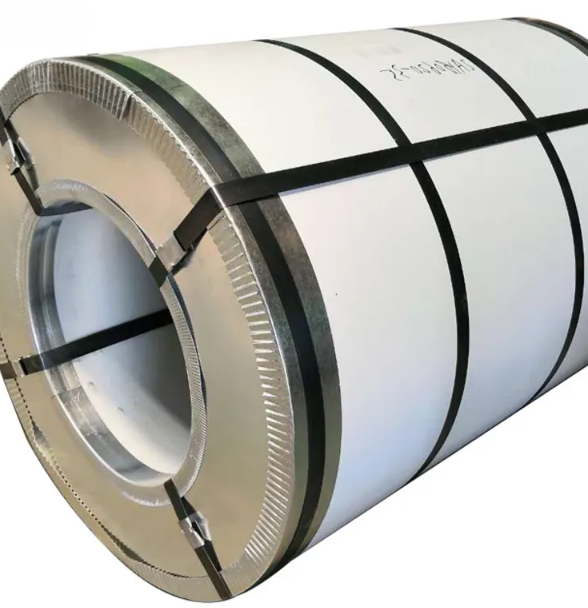
Match PPGI Coil Substrate and Zinc Coating to Your Application Environment
SGCC vs Galvalume: Choosing the Right Base Metal for Corrosion Resistance and Formability
When deciding between SGCC (standard galvanized) and Galvalume substrates, looking at environmental factors is pretty important. SGCC provides good zinc protection at reasonable costs for regular indoor work where conditions aren't too harsh. The pure zinc coating works well when bending or stamping because it maintains shape without cracking easily. Galvalume has this special mix of metals - around 55% aluminum, 43.4% zinc plus some silicon - which makes it much better against rust problems. Tests show it lasts about three times longer than normal galvanized steel under salt spray conditions according to ASTM B117 standards. What makes Galvalume stand out is how the aluminum part creates a protective layer that heals itself over time. This not only stops oxidation but also helps reflect sunlight, so it's great choice for places near the coast or areas exposed to chemicals. There is one downside though: Galvalume isn't as flexible as other materials, so special tools are needed during manufacturing to avoid tiny cracks forming. While this material costs roughly 15 to 20 percent more than SGCC, many find the extra durability worth it especially in humid industrial settings. On the flip side, if money matters most and there's little chance of corrosion, SGCC still makes sense for interior jobs on tighter budgets.
Zinc Layer Weight (AZ20–AZ275): Balancing Corrosion Protection, Cost, and Processing Needs
Zinc coating thickness directly dictates PPGI performance through the AZ classification system, where numbers denote grams per square meter (e.g., AZ40 = 40 g/m²). Higher weights like AZ150–AZ275 deliver maximum sacrificial protection for harsh environments but increase material costs by 20–30% compared to baseline AZ40. Key trade-offs include:
- Corrosion Resistance: AZ100+ coatings meet ISO 1461 Class C/D exposure requirements and support 20+ year lifespans in coastal or industrial settings (per ASTM B117 benchmarks)
- Processing Limitations: Coatings above AZ120 may reduce welding efficiency and require upgraded roll-forming tooling
- Cost Efficiency: AZ40–AZ60 provides optimal value for agricultural buildings or HVAC components with moderate exposure
Field data shows AZ80 coatings fail 50% faster than AZ150 in marine applications, while over-specifying zinc weight wastes resources in arid climates. Always align AZ ratings with ISO 1461 exposure classifications and confirm fabricator capabilities before finalizing specifications.
Select the Optimal Paint System for Long-Term Durability and Aesthetics
PE, SMP, HDP, and PVDF: Performance Comparison Across UV Resistance, Chalk Resistance, and Flexibility
The choice of paint system for PPGI coil makes all the difference when it comes to how long the product lasts and how good it looks over time. Polyester or PE paint gives decent UV protection and bends easily without cracking, which works great for things like office walls or areas not exposed to the elements. Then there's Silicon Modified Polyester (SMP), which stands up better to sun damage and doesn't chalk away as fast as regular PE does. This makes SMP a solid pick for buildings outside but only in places where the weather isn't too harsh. High Durability Polyester (HDP) takes things further with amazing ability to keep its shine and resist fading. Tests show HDP holds up about half again as well as SMP against simulated weather conditions, so it's perfect for storefronts and other surfaces that get blasted by direct sunlight day after day. When dealing with really tough conditions, nothing beats Polyvinylidene Fluoride (PVDF). The special chemical makeup of PVDF keeps colors looking fresh for more than 15 years even near saltwater coastlines, although these paints do tend to be less flexible compared to others on the market.
| Paint System | UV Resistance | Chalk Resistance | Flexibility | Best Application Scenario |
|---|---|---|---|---|
| PE | Moderate | Fair | Excellent | Interior partitions, non-weathering zones |
| SMP | Good | Good | Good | Moderate exterior (e.g., warehouses) |
| HDP | Very Good | Excellent | Moderate | High-sun exposure façades |
| PVDF | Exceptional | Exceptional | Fair | Coastal/industrial sites |
Real-World Validation: How 10-Year Coastal Exposure Data Informs PPGI Coil Selection
Tests conducted along coastlines have shown big differences in how long different paint systems last. Coils coated with PVDF maintain their color really well after about ten years even where there's lots of salt in the air, which beats out polyester options by quite a bit. On the flip side, PE coatings start showing problems pretty quickly too, with serious chalking and losing around half their shine within just five years when exposed to similar conditions. What all this means is that specs matter a lot in areas prone to corrosion. The reason why PVDF works so good is because its molecules don't break down as easily from sunlight or get damaged by saltwater, saving companies roughly two thirds on maintenance expenses over twenty years based on what researchers found studying corrosion effects long term. For anyone looking at PPGI coils for use near oceans or other harsh environments, going with fluoropolymer systems makes sense despite higher upfront costs since they tend to hold up much better over time in practice.
Evaluate Coating Structure and Thickness for Consistency and End-Use Integrity
2/1 vs 2/2 Coating Architecture: Why Dual-Side Coating Is Critical for Architectural and High-Exposure Applications
The performance of PPGI coils really depends on how they're coated. For simple jobs, 2/1 coatings work okay these days - that's two layers on the front side and just one on the back. But when we talk about buildings or areas with harsh conditions, the 2/2 architecture becomes absolutely necessary. This means having dual layers on both sides of the material. The reason? Reverse side corrosion happens all too often in places near the coast or in industrial zones. With regular 2/1 systems, those uncoated backs let salt get through, which can make panels break down up to three times faster according to lab tests done under simulated marine conditions. Nobody wants their building materials falling apart after only a few years because of something that could have been prevented with better coating choices.
Measuring Uniformity and Detecting Defects: ISO Standards and Practical Edge Inspection Techniques
Consistent thickness prevents premature failure. ISO 2808 mandates magnetic induction testing for ferrous substrates and eddy current methods for non-ferrous materials, ensuring zinc and paint layers meet target specifications such as AZ150 or PVDF 25 µm. Field verification includes:
- Cross-section microscopy at panel edges (high-defect zones)
- Dry film thickness (DFT) gauges calibrated to NIST standards
- UV lamps to detect pinholes per ISO 4628-2
Thin spots (<85% of target thickness) increase corrosion risk fourfold, while excessive buildup (>120%) promotes cracking. Leading manufacturers achieve 98% compliance using automated optical inspection (AOI) systems.
Verify Quality Through Documentation, Certifications, and Supplier Due Diligence
Getting good quality PPGI coil isn't just about what suppliers say on paper. We need to dig deeper than marketing materials and ask for real proof. Look for complete documentation packages that include mill test reports showing exactly what's in the base material, how much zinc coating was applied (like AZ50 through AZ150 ranges), plus detailed specs about the paint systems used. The best suppliers should have ISO 9001 certification for their quality control processes. Some also carry special industry accreditations such as Qualicoat, which actually requires them to undergo yearly checks to ensure their products stay consistent over time. And don't forget to establish some sort of multi-level verification process before finalizing any supplier relationships.
- Financial audits assessing stability to ensure supply chain continuity
- Site inspections validating manufacturing controls and defect detection capabilities
-
Certification verification through issuing body databases to combat fraud
A 2023 industrial survey revealed that 68% of material failures stemmed from inadequate supplier vetting. Cross-reference references from clients in similar environments (coastal, industrial) and scrutinize historical performance data for red flags like non-conformance rates exceeding 2%. Proactive monitoring via certification verification techniques—such as scope validation with certifying authorities—reduces procurement risks by 41% compared to reactive approaches.
FAQ Section
What is the difference between SGCC and Galvalume substrates?
SGCC is standard galvanized coil with pure zinc coating offering good protection and flexibility for indoor environments. Galvalume is a zinc-aluminum alloy with enhanced corrosion resistance, better suited for coastal and chemical-prone areas, although it is less flexible than SGCC.
How does the zinc layer weight affect PPGI performance?
The zinc layer weight, indicated by AZ classification, impacts corrosion protection, with higher weights offering more protection but increasing costs and processing limitations. Aligning AZ ratings with specific environmental conditions is crucial.
Why is the paint system important for PPGI coils?
The paint system affects the durability and aesthetics of PPGI coils. Options range from the flexible PE for interiors, to UV-resistant PVDF for harsh environments, each offering different levels of protection and flexibility.
Why is dual-side coating necessary for certain applications?
Dual-side coating ensures durability in harsh environments by protecting both sides of the material, preventing reverse side corrosion that can occur in coastal or industrial settings.
What should I look for in a supplier to ensure high-quality PPGI coils?
Seek suppliers with thorough documentation, ISO 9001 certification, industry accreditations, and a solid reputation backed by client references. Ensure they have robust quality checks and verification processes in place to avoid potential material failures.
Table of Contents
- Match PPGI Coil Substrate and Zinc Coating to Your Application Environment
- Select the Optimal Paint System for Long-Term Durability and Aesthetics
- Evaluate Coating Structure and Thickness for Consistency and End-Use Integrity
- Verify Quality Through Documentation, Certifications, and Supplier Due Diligence
-
FAQ Section
- What is the difference between SGCC and Galvalume substrates?
- How does the zinc layer weight affect PPGI performance?
- Why is the paint system important for PPGI coils?
- Why is dual-side coating necessary for certain applications?
- What should I look for in a supplier to ensure high-quality PPGI coils?