
 EN
EN
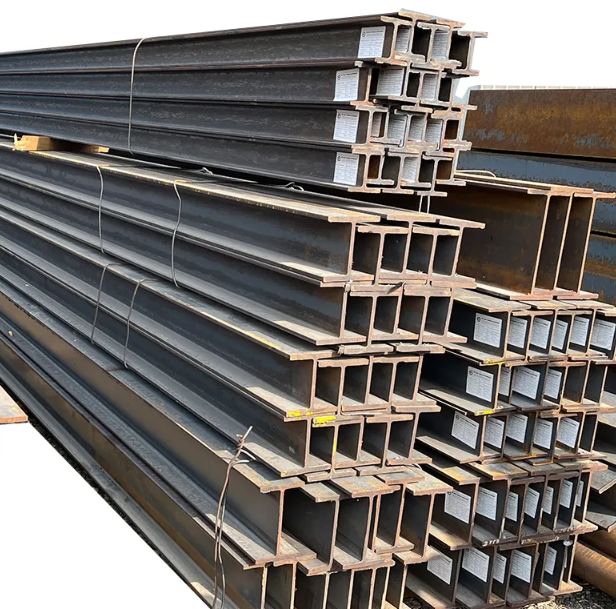
Master H Beam Production Scheduling with Buffer-Aware Sequencing
Synchronizing casting, rolling, and finishing stages to H beam customer deadlines
Getting casting, rolling, and finishing operations lined up just right makes all the difference when it comes to hitting those H beam delivery targets. Traditional rigid schedules don't cut it anymore. Instead, smart buffer sequencing adds those crucial time gaps between stages usually around 15 to 30 minutes. These little breathing spaces help soak up the inevitable hiccups we see on the plant floor every day like unexpected temperature changes in casting areas, rolling stand calibration holdups, or coating line snarls. The beauty of these buffers? They let downstream processes kick off right away once upstream work wraps up, even if there are small timing differences. When manufacturers map out customer deadlines working backward through this coordinated system, they actually get more flexibility without slowing down overall production. Take the finishing stage for instance. A good buffer here means quality checks and packaging can still happen on schedule for shipping, no matter how long coating takes. Plants using this approach report about 7 to 12 percent better on-time deliveries compared to old school static scheduling methods.
Using ERP-driven production sequencing with dynamic buffer logic, not pure just-in-time
Today's ERP systems come equipped with dynamic buffer logic that beats traditional just-in-time (JIT) methods when it comes to making H beams. Sure, JIT cuts down on inventory buffers, but it doesn't handle problems like delayed alloy shipments, unexpected equipment breakdowns, or those pesky temperature fluctuations during rolling very well. What ERP does differently is calculate how much buffer stock we need right now based on actual machine readings, what orders are most urgent, and past patterns of delivery delays. Take a scenario where a rolling mill suddenly stops working - the system will expand the casting buffers upstream automatically, so the finishing line doesn't run dry and nobody has to scramble to fix things manually. One major steel plant in North America saw their production stoppages drop by 18% after switching from rigid JIT to this smarter approach. And let's not forget about those big H beams either. When there's a delay in processing them, companies face massive rework costs sometimes topping $740,000 per incident according to the Ponemon Institute's 2023 report on supply chain risks. That makes having resilient systems absolutely essential for anyone dealing with large scale steel production.
Build Resilient H Beam Supply Partnerships Through Shared Accountability
Co-defining and tracking OTIF (on-time-in-full) KPIs with core H beam suppliers
Real mutual accountability starts when we create OTIF metrics that actually reflect how operations work day to day instead of just setting theoretical goals. We need to sit down with our main H beam suppliers and figure out exactly what counts as good enough for deliveries, how tight those dimensions need to be, what kind of surface finish works for us, and whether all the paperwork is complete. Getting these key performance indicators onto shared ERP dashboards gives everyone real time access to see where castings stand, track progress through the rolling process, and monitor how long coatings take. Our monthly check-ins shouldn't just be about who hit their numbers but digging into why things went wrong. When there's a problem with the zinc bath staying at the right temperature or when shipments get delayed at the warehouse, we fix it together. According to recent data from the American Iron and Steel Institute, companies that build these kinds of relationships with suppliers cut down on unpredictable lead times by around 40%. What this means practically is that suppliers stop being just people we pay for parts and start acting more like extended members of our own team.
Strategic supplier diversification to offset regional disruptions in H beam raw material or labor supply
Having multiple geographic locations for H beam production really matters when it comes to keeping the supply chain running smoothly. Companies should look at where they source billets, operate rolling mills, and finish products in areas prone to earthquakes, flooding, or workforce shortages to spot potential trouble spots. It pays off to check out backup suppliers in different parts of the world too. Think about combining steelmakers from Eastern Europe with rolling partners who have certifications in Southeast Asia for example. Keeping some basic purchase agreements with second tier suppliers makes sense so these can kick in quickly if main operations hit snags. According to a study by the Global Steel Council from last year, companies that spread their operations around saw about 60 percent fewer shutdowns during regional problems. For those trying to manage costs while still staying prepared, building relationships in three categories works well core partners, ones that step in when needed, and those held back as emergency options.
Optimize H Beam Logistics for Dimensional Cargo and Fixed-Deadline Shipments
Route-specific load planning and modal selection (rail vs. heavy-duty truck) for oversized H beam profiles
Moving oversized H beams isn't simply about booking freight space. It takes careful consideration of transportation modes and route planning. For longer hauls over 500 miles, rail transport works best since it can handle beams up to 120 feet long while keeping costs per ton relatively low. However, this option needs a direct rail connection close to where the beams will be used at construction sites. When it comes to getting those massive beams to their final destination, heavy duty trucks remain king despite all the headaches they bring. These trucks use special extendable trailers for the last mile delivery, but drivers constantly battle regulations that limit what they can do. Bridge clearances matter a lot, each state has different size requirements for permits, and there are strict rules about how much weight each axle can carry. All these factors need to be worked out ahead of time for successful beam transportation.
- Weight distribution modeling to prevent trailer instability on curves or inclines
- Pre-trip route surveys using GIS-integrated tools to flag low-clearance bridges, narrow tunnels, or overhead wires
-
Dynamic dispatch windows adjusted for weather forecasts and traffic congestion
Integrated digital load planning tools reduce transit variability by 35% (2023 Freight Analytics Consortium), enabling confident trade-offs between rail's scale advantages and trucks' site-access agility for fixed-deadline H beam deliveries.
Enable End-to-End H Beam Delivery Visibility with Integrated Digital Tracking
These days, real time tracking throughout production and logistics isn't just nice to have anymore. It's basically what makes sure those H beams actually get delivered when promised. Looking at the numbers tells us why: supply chain issues are costing steel makers around $740,000 every year according to that Ponemon Institute report from last year. That kind of money loss means companies can't afford to be blind spots in their operations anymore. The solution? ERP systems connected to dashboards that keep an eye on how things are going at key points along the way. These tools spot when delivery times start slipping off track at important stages in the process.
Real-time ERP-integrated dashboards monitoring lead time deviations at critical H beam milestones: casting - coating - dispatch
The systems monitor every step with pretty detailed tracking. For instance during casting operations, they use those embedded thermocouples along with solidification sensors to check if the actual pour to eject timing matches what was planned. When it comes to coating processes, the drying ovens equipped with IoT technology make sure that both dwell times and temperature profiles stay within the ASTM A123 standards most of the time. At dispatch points, the TMS integration confirms whether everything gets loaded properly, checks seals for integrity issues, and tracks when carriers are expected to leave. If something goes outside acceptable ranges like a coating cycle going over ±2.5 minutes, then the dashboard sends out alerts specific to different roles so people can take quick action. This might mean changing how fast furnaces heat up, getting inspection teams ready ahead of time, or even shifting around transportation schedules. Manufacturers dealing with capital goods find that having such close watch cuts down on lead time variations between 18% and 32%. That means dimensional steel products consistently hit those customer deadlines customers set, giving companies much greater confidence about delivery timelines.
FAQ
What is buffer-aware sequencing in H beam production?
Buffer-aware sequencing involves adding time gaps between production stages to help absorb potential hiccups and ensure downstream processes can start immediately after upstream ones are completed.
How does ERP-driven production sequencing differ from traditional JIT methods?
ERP-driven sequencing calculates real-time buffer stock needs and adapts dynamically, while traditional JIT focuses on minimizing inventory but may not efficiently handle unexpected issues like equipment breakdowns.
Why is supplier diversification important in H beam production?
Diversification helps mitigate risks from regional disruptions such as natural disasters or labor shortages, ensuring a more resilient supply chain.
How is digital tracking utilized in H beam logistics?
Integrated digital tracking provides real-time visibility throughout production and logistics, helping identify potential delays and keeping operations on schedule.