
 EN
EN
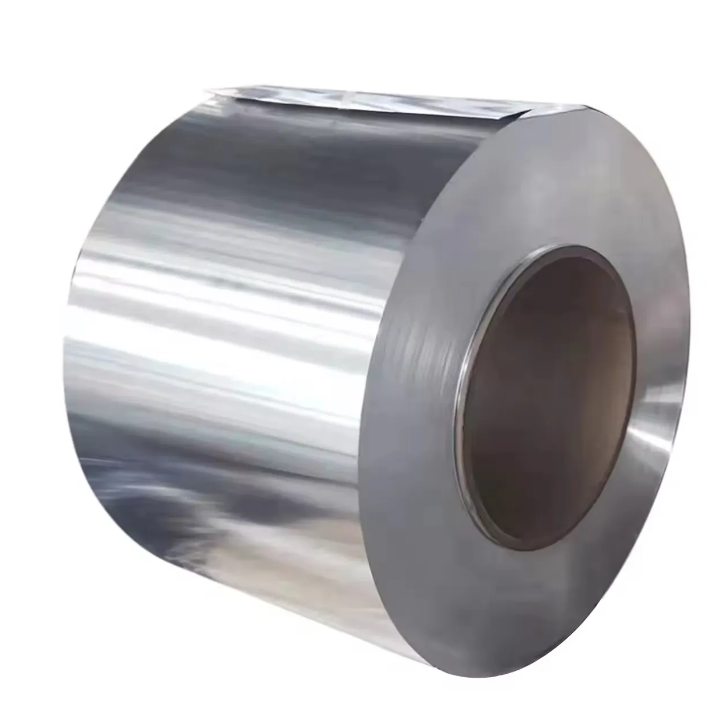
Barrier Protection: How the Zinc Coating Shields Galvanized Steel Coil
Zinc as a Physical Barrier: First Line of Defense Against Corrosion
When applied to steel coils, the zinc coating creates a solid shield against things that cause rust like water, air, and those nasty industrial chemicals floating around everywhere. Most of the time, this protection stops about 80 to maybe even 95 percent of corrosion problems before they start. What makes this work so well is how tightly the zinc sticks to the steel itself. Even when there's lots of wear and tear, the coating stays put instead of flaking off. That's why we see galvanized steel used all over construction sites for roofs and building frames where materials need to last through pretty rough conditions.
Formation of Zinc Carbonate Patina for Long-Term Environmental Resistance
When zinc comes into contact with air, it actually combines with carbon dioxide to create this protective coating called zinc carbonate patina. What makes this layer so special is that it keeps rust at bay, cutting down on corrosion by around half when compared to plain zinc metal. This effect works best in places where there's moisture in the air or where there are mild acids present. The reason why this happens has to do with how insoluble the patina is. Rainwater, morning dew, even some chemicals can't really break it down over time. As a result, materials coated with this stuff tend to last much longer than they would otherwise, which explains why many outdoor structures made from zinc stay looking good for decades despite being exposed to all sorts of weather conditions.
Performance in Industrial and Coastal Environments
Galvanized steel coils tend to stick around 3 to 4 times longer than regular steel in coastal areas because they get both barrier protection and develop that protective patina over time. When we look at industrial settings, zinc does a pretty good job fighting off sulfur compounds and acid rain too. Field tests have shown that after 15 years in places with moderate pollution levels, there's usually less than half a millimeter of thickness lost from these galvanized surfaces. Something else worth noting is how different this is from painted coatings. Even if galvanized metal gets scratched here and there, it still keeps protecting what's underneath, which means it stays durable for much longer periods without needing constant maintenance.
Sacrificial Anodic Protection: The Self-Healing Mechanism of Galvanized Steel Coil
How Zinc Acts as a Sacrificial Anode to Protect Base Steel
The way zinc interacts chemically makes it work great as what's called a sacrificial anode, basically meaning it will corrode before steel does. Looking at the numbers, zinc has an electrode potential around -0.76 volts while steel sits at about -0.44 volts according to the Galvanic Series data from 2024. Because of this difference, zinc naturally takes on the role of anode when paired with steel, pulling all the corrosion action away from whatever metal we're trying to protect. Real world tests have shown that this protective effect can actually hold back rust formation on underlying materials for anywhere between ten to fifteen years, which is pretty impressive considering how corrosive environments can be over time.
| Metal | Electrode Potential (V) | Corrosion Tendency |
|---|---|---|
| Zinc | -0.76 | High (Anode) |
| Steel | -0.44 | Low (Cathode) |
Cathodic Protection at Cut Edges and Damaged Areas
Scratches that reveal bare steel trigger the sacrificial protection right away. Zinc ions actually travel around 3 millimeters from areas where the coating is still intact, creating protective layers of oxides and carbonates. These formations manage to seal up those tiny damages within about two days when there's moisture in the air. Looking at real world results, this kind of self healing keeps roughly 98.6 percent of the surface intact even after sitting out for five whole years near the coast according to some recent findings published in Marine Corrosion Report back in 2023. Pretty impressive stuff if you ask me.
Dual-Action Defense: Combining Barrier and Electrochemical Protection
Galvanized steel coils benefit from two complementary mechanisms:
- Physical barrier: A 45–85 µm zinc layer blocks moisture and oxygen ingress
- Active protection: Sacrificial corrosion prevents rust at vulnerable points
This synergy results in service life four times longer than paint-only systems, with lifecycle maintenance costs reduced by 62% over 20 years (Infrastructure Durability Study, 2021).
The Paradox of Thin Zinc Layers Outperforming Thicker Barriers
Zinc coatings at just 40 microns thickness tend to last longer than those polymer barriers that are twice as thick at 100 microns. What makes zinc so effective? Well, it actually moves protection around when there's damage thanks to some electrochemical reactions happening beneath the surface. Polymer coatings don't work this way though. Once they get scratched or cracked, their protective qualities basically vanish overnight. That's probably why we see galvanized steel coils everywhere in construction these days. Around 83 percent of structures needing reliable protection for over 25 years end up using this zinc coating method. Makes sense really when looking at all those bridges and buildings standing strong after decades of weathering.
Comparing Galvanization Methods: Impact on Performance and Application
Hot-Dip vs. Electro-Galvanizing vs. Pre-Painted Steel: A Performance Breakdown
The hot dip galvanizing process works by submerging steel into liquid zinc, which creates a pretty thick protective layer ranging from around 50 to 150 microns thick. This makes it great for things that need serious protection against corrosion, such as large structures like bridges or metal roofs exposed to harsh weather conditions. On the other hand, electro galvanizing uses electricity to apply a much thinner coat of zinc, typically between 5 and 30 microns. The result is a very even surface finish that's particularly useful for small components where exact measurements matter, think car parts or electronic connectors. For buildings and exterior applications, manufacturers often go for pre painted galvanized steel sheets. These have an extra layer of plastic on top that helps maintain vibrant colors longer and protects against sun damage, making them popular choice for facades and building exteriors across many modern construction projects.
A 2023 study found hot-dip galvanized steel lasts 2–4 times longer than electro-galvanized variants in coastal settings. However, electro-galvanizing performs better indoors due to its smooth, consistent finish.
| Method | Coating Thickness | Best For | Limitation |
|---|---|---|---|
| Hot-Dip Galvanizing | 50–150 microns | Outdoor infrastructure | Rough surface texture |
| Electro-Galvanizing | 5–30 microns | Precision manufacturing | Limited sacrificial protection |
| Pre-Painted Steel | 15–25 µm + polymer | Architectural cladding | Higher upfront cost |
Material Properties and Selection Criteria for Different Environments
Steel coils treated with hot dip galvanization last about 40 percent longer before rust sets in when exposed to salty air along coastlines, making them far superior to their electro galvanized counterparts in these harsh conditions. Chemical plants often opt for pre painted versions coated with special polymer layers since they need less maintenance roughly 60% less according to field reports from plant managers who've switched over. Cities dealing with average pollution levels typically go for electro galvanized options instead. These provide decent looks while still holding up reasonably well against weathering, all at a price point that works better for budget conscious construction projects looking good without breaking the bank on materials.
Field data from a long-term infrastructure review shows hot-dip galvanized guardrails retain 90% structural integrity after 25 years in humid climates, outperforming other coating methods.
Long Term Durability and Cost Efficiency of Galvanized Steel Coil
Lifespan and Corrosion Resistance: Evidence from Field Studies
In places like industrial zones and inland areas where conditions aren't too harsh, galvanized steel coils tend to last anywhere from 20 to maybe even 30 years before showing signs of wear. What makes them so durable is this two part defense system they have going on barrier protection plus something called cathodic action which actually stops rust from spreading throughout the metal surface. Even when installed near saltwater coastlines where moisture levels are really high, these coils still hold up better than regular steel. Looking at real world examples helps put things into perspective. Bridges and transmission towers built with galvanized steel need roughly half as much maintenance work after quarter century mark compared with structures made from untreated steel alternatives.
Case Study: Galvanized Steel Coils in Humid and Harsh Climate Infrastructure
Researchers tracked roofing systems across Southeast Asia's tropical marine regions over fifteen years and found something interesting about galvanized steel coils. Even after constant sun beating down on them, torrential rains washing over their surfaces, and salt particles floating through the air, these coils still held about 95% of their original strength. The zinc coating degraded very slowly too, losing less than half a micrometer each year. That's way better than what happens with polymer coated steels, which tend to peel off when exposed to the same harsh conditions. For buildings located near coastlines or other tough environments, this kind of durability means roof replacements happen much less frequently now. We're talking anywhere from eight to twelve extra years before needing repairs or full replacement in those really challenging spots.
Reduced Maintenance and Lifecycle Cost Advantages
Galvanized steel coils might cost around 10 to 15 percent more upfront compared to regular steel, but these extra dollars pay off big time in the long run. Over twenty years, each ton actually saves between $180 and $240 because there's no need to repaint or apply additional protective coatings down the line. What makes this even better is how the zinc coating takes care of itself. For places that are tough to reach like those massive grain storage tanks on farms or those roadside barriers we see every day, maintenance crews save anywhere from 60 to 75 percent on labor costs. Traditional methods just don't cut it there since getting into those spots costs money and causes all sorts of disruptions during repairs.