
 EN
EN
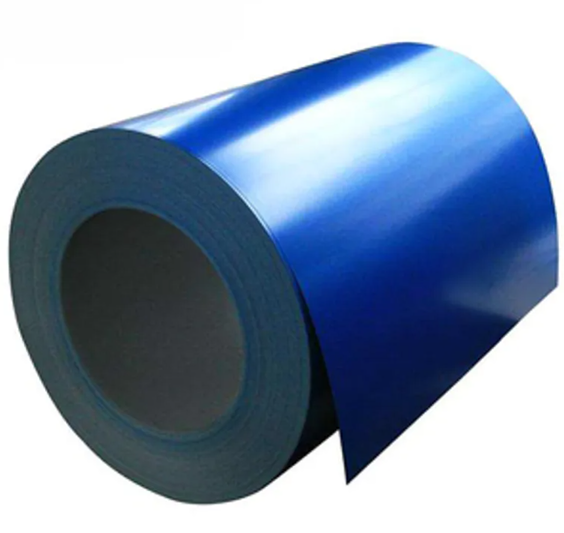
Material Composition and the Science Behind PPGI Coating Layers
What is PPGI and how does it influence coating performance?
PPGI, also known as Pre-Painted Galvanized Iron, combines metal protection against rust with some pretty sophisticated chemical coatings to create steel sheets that last longer and come in colors. The material has several layers working together. At the bottom is galvanized zinc which actually sacrifices itself to protect the steel underneath when corrosion starts. Then there are those primer and finish layers, usually between 5 microns and 25 microns thick, that stick to the surface and fight off damage from sunlight. What makes PPGI so versatile is how we can adjust it for different conditions. For areas where things get really harsh, adding more zinc coating from around 60 grams per square meter up to 275 grams per square meter means the material lasts much longer. And if someone wants something that keeps looking good outside for years, PVDF topcoats are amazing at holding onto their color even after twenty years under direct sunlight, retaining about 90% of their original vibrancy.
Core structure of pre-painted galvanized steel: Base metal, zinc layer, and primer
The protective system follows a layered defense strategy:
- Cold-rolled steel substrate (0.3–1.5mm): Provides structural strength
- Hot-dip galvanized layer (Z275-Z600 grades): Offers electrochemical protection by corroding preferentially to steel
- Chromium-free primer: Boosts paint adhesion by 40% compared to untreated surfaces
- Polymer topcoat: Dictates aesthetic quality and environmental durability
This sequence ensures long-term integrity through both barrier and cathodic protection mechanisms.
How material composition affects corrosion resistance in color coated steel coils
Zinc’s electrochemical behavior allows it to protect underlying steel at a ratio of 1¼m of zinc loss shielding 6¼m of steel. The alloy type significantly influences performance:
- Pure zinc (PPGI) withstands 500–1,200 hours in ASTM B117 salt spray tests
- Aluminum-zinc alloys (PPGL) triple service life due to aluminum’s stable oxide layer formation
- Epoxy primers reduce under-film corrosion by 62% versus polyester variants in cyclic humidity testing
These differences underscore the importance of matching material composition to environmental severity.
PPGI vs PPGL: Comparing performance, durability, and ideal applications
| Property | PPGI | PPGL |
|---|---|---|
| Coating Composition | 100% Zinc | 55% Aluminum, 43.4% Zinc |
| Heat Resistance | 120°C (continuous) | 150°C (continuous) |
| Salt Spray Resistance | 1,000 hours (avg) | 2,750 hours (avg) |
| Cost Efficiency | $0.85-$1.20/sq.ft | $1.10-$1.50/sq.ft |
| Best Applications | Interior panels, furniture | Coastal roofing, chemical plants |
PPGL’s higher heat reflectivity reduces cooling loads by 15–20% in tropical climates but demands specialized joining methods. PPGI remains optimal for cost-driven projects requiring moderate durability.
Coating Types and Their Impact on Durability and Weather Resistance
Polyester Coatings: Affordable Option with Moderate UV and Weather Resistance
Polyester coatings are pretty cost effective and work well enough for most applications, typically lasting around 5 to 7 years in normal weather conditions. They do tend to break down quicker when exposed to sunlight for long periods compared to higher end alternatives, but still hold up better than plain steel when it comes to keeping their color intact. According to some industry research from last year, these coatings perform best where there's not much salt in the air and temperature changes aren't too extreme. That makes them a good choice for things like room dividers inside buildings or maybe temporary structures outside that won't be there forever.
Silicon-Modified Polyester (SMP): Better Gloss Retention and Durability
Adding silicone resins to coatings can boost weather resistance by around 30 to 40 percent compared with regular polyester materials. Studies on architectural coatings show that SMP formulations stand up well against chalking and fading issues, retaining about 85% of their original shine even after sitting out for a decade in those hot, humid subtropical environments. The increased flexibility these coatings offer means they don't crack when temperatures swing from as cold as -20 degrees Celsius all the way up to 60 degrees. This makes them particularly good choices for roof applications and building exteriors that get moderate exposure to the elements without constant direct sunlight beating down on them.
PVDF Coatings: Premium Choice for Long-Term Color Stability and UV Protection
When it comes to exterior coatings, PVDF fluoropolymers are pretty much the benchmark in the market. After sitting out in coastal areas for two decades, these coatings still hold onto around 95% of their original color. What makes them so durable? Well, their molecular makeup actually bounces back UV rays instead of soaking them up, which helps prevent those annoying oxidation issues. Tests have proven that PVDF stands up to salt spray conditions about three times better than standard SMP coatings, lasting well past 1,500 hours without showing any blisters. That kind of performance is why major projects like international airports and luxury beachfront properties rely on PVDF coatings for their long-term protection needs.
Are Premium Coatings Worth the Investment? Evaluating Cost Versus Lifespan
PVDF does come at around 2.5 times the price of polyester upfront, but when we look at the bigger picture, those initial costs get wiped out pretty quickly. The material lasts anywhere from 25 to 30 years before needing replacement, which means far fewer maintenance visits and significantly reduced waste going into landfills. When warehouses run the numbers through their lifecycle models, they find that PVDF actually ends up costing about 40% less overall compared to other materials over a span of twenty years. For facilities located in areas where chemicals are present or humidity levels are consistently high, investing in these premium coatings pays off big time. Maintenance crews don't have to spend hundreds of dollars every year on repairs – studies from the latest Corrosion Protection Report show savings between $18 and $25 per square meter annually just by avoiding constant touch-ups and replacements.
Environmental Exposure and Its Effect on Corrosion Resistance and Lifespan
Challenges of High Humidity and Coastal Environments on Coated Steel Performance
Coastal environments accelerate PPGI degradation due to chloride-laden air, which penetrates coatings 4–7× faster than in rural settings. Steelpro Group’s 2023 classification data highlights stark contrasts:
| Environment Type | Avg. Lifespan | Corrosion Rate (µm/year) |
|---|---|---|
| Rural (C2 classification) | 40–50 years | 0.2–0.5 |
| Coastal (C5 classification) | 5–10 years | >2.0 |
Salt exposure accelerates zinc consumption and risks premature delamination. For marine applications, experts recommend PVDF coatings of at least 25 µm thickness to counteract chloride intrusion.
Galvanic Corrosion Risks in Mixed-Metal Construction Applications
Using PPGI alongside copper or aluminum creates galvanic cells that corrode steel 63% faster. In humid conditions, this process depletes zinc at 1.2–1.8 µm/year—double the rate observed in isolated steel systems. Proper insulation and compatible fastener selection are critical to mitigating electrochemical degradation in mixed-material assemblies.
Real-World Performance Data From Industrial and High-Salinity Zones
Field evaluations in Gulf Coast petrochemical sites show:
- Heavy galvanized coatings (275 g/m²) last 12 years—less than half their inland performance
- PVDF-coated PPGI retains 95% gloss after 8 years in salt-laden environments
- Standard polyester fails adhesion tests within 3 years under 85% RH
Targeted coating selection can reduce replacement costs by $18–$42/m² over 15-year spans in corrosive settings.
Aesthetic Finish Options and Visual Performance in Architectural Applications
Color Consistency, Gloss Retention, and Visual Appeal Over Time
How long something looks good visually really comes down to how well it keeps its colors and shine when exposed to all sorts of weather conditions. According to research from the Materials Performance Journal back in 2023, ultraviolet light is actually responsible for more than half of what causes coatings on the outside of buildings to break down over time. That's why picking strong, durable finishes matters so much. When builders use high quality primers along with top coats that resist UV damage, they can significantly reduce those annoying color changes that happen over years. The appearance of building facades stays much better too, often lasting around 15 to 20 years before needing touch ups. Looking at actual commercial buildings shows that panels coated with PVDF maintain their original look with less than 5% color change even after ten years in areas where there's plenty of sunshine. Compare that to regular polyester finishes which tend to fade between 15% and 20% during the same period.
Custom Textures and Finishes: Matte, Glossy, and Embossed Options
PPGI can accommodate all sorts of surface textures that really boost design options as well as practical performance. Matte finishes are great for cutting down on glare in modern buildings, and embossed designs let architects mimic wood or stone without breaking the bank or adding extra weight. When it comes to glossy surfaces, they reflect light much better, making them perfect for highlighting certain areas or features. Most industry experts recommend going with textured finishes paired with coating systems that are at least 25 microns thick if these surfaces will be subjected to heavy wear and tear over time.
Case Study: Aesthetic Degradation Due to Poor Finish Selection in Tropical Climates
Research from 2022 looked at coastal resort buildings and found some serious problems with cheap PPGI (pre-painted galvanized iron) cladding. These materials were losing about 40% of their shine after just five years out there, which means they absorbed more sunlight and made air conditioning bills jump around $18 per square meter each year. On the flip side, when resorts used SMP coated PPGI instead, they kept roughly 85% of that original gloss through the same timeframe. This shows why picking the right finish matters so much not just for how things look but also for keeping energy costs down in hot climates where sun exposure is constant.
Cost Analysis and Lifecycle Value of PPGI Steel Coils
Balancing Upfront Costs with Long-Term Durability and Maintenance Savings
PPGI steel coils generally come in at about 15 to 30 percent cheaper than those alternatives that need painting after installation according to recent 2023 industry standards for building materials. The price range for these materials is somewhere around 80 cents to $1.20 per square foot. What makes PPGI really stand out though is it cuts out all that extra work of painting once everything's installed, which saves contractors anywhere from $2.50 to almost $4.50 per square foot on commercial projects. When looking at long term costs, maintenance becomes even more important. Regular steel that's been painted needs touch ups roughly every five to seven years costing about $1.80 per square foot each time. But PPGI can last much longer, usually between twelve and fifteen years, and only needs basic cleaning occasionally instead of complete repainting cycles.
Lifecycle Cost Comparison: PPGI vs Traditional Painted Steel Over 20 Years
Data from the Steel Construction Institute (2023) illustrates long-term savings:
| Cost Factor | PPGI | Traditional Painted Steel |
|---|---|---|
| Material + Installation | $7.20/sf | $9.80/sf |
| Maintenance/Repairs | $0.40/sf | $6.30/sf |
| Replacement Cycles | 1.3 | 3.1 |
Total lifecycle costs average $11.60/sf for PPGI versus $24.70/sf for traditional systems—a 53% reduction in high-humidity environments.
Total Cost of Ownership as a Strategic Decision-Making Tool
Progressive manufacturers now apply TCO models that evaluate six key factors:
- Initial material costs
- Installation complexity
- Corrosion-related downtime
- Maintenance intervals
- Environmental compliance
- End-of-life recyclability
The International Zinc Association (2024) confirms PPGI delivers a median service life of 22 years—over twice that of painted steel—in coastal applications. This evidence-based approach empowers engineers to justify higher initial investments through measurable returns in durability and operational efficiency.
Table of Contents
- Material Composition and the Science Behind PPGI Coating Layers
-
Coating Types and Their Impact on Durability and Weather Resistance
- Polyester Coatings: Affordable Option with Moderate UV and Weather Resistance
- Silicon-Modified Polyester (SMP): Better Gloss Retention and Durability
- PVDF Coatings: Premium Choice for Long-Term Color Stability and UV Protection
- Are Premium Coatings Worth the Investment? Evaluating Cost Versus Lifespan
- Environmental Exposure and Its Effect on Corrosion Resistance and Lifespan
- Aesthetic Finish Options and Visual Performance in Architectural Applications
- Cost Analysis and Lifecycle Value of PPGI Steel Coils