
 EN
EN
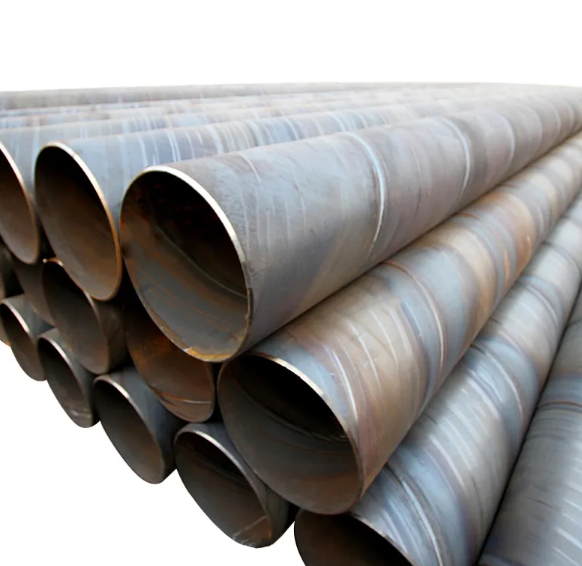
Site Preparation and Trenching for Ductile Iron Pipe Installation
Construction Preparation for Ductile Iron Pipe Installation
First things first, get rid of anything growing or lying around in the installation spot before starting work. Clear away plants, trash, rocks, whatever might be hiding underground so there's solid ground beneath where we'll dig trenches later on. Before anyone picks up a shovel though, make sure those utility lines are properly flagged following standard industry markers. Nobody wants to accidentally hit something important down there. And don't forget about checking the soil either. Run some basic tests to see how packed the earth is and where water tends to collect naturally. These little details matter because they tell us exactly how deep to dig our trenches and what kind of supports we need around pipes once everything goes in place.
Pipeline Laying and Trench Requirements According to AWWA Standards
According to AWWA C150 standards, trenches need to be at least 1.5 times wider than the pipe diameter plus an extra 12 inches all around. This gives workers enough space to properly assemble joints and compact the bedding material underneath. When dealing with rocky soil conditions, it's important to line the trench with about 6 inches of either sand or gravel. This helps protect the pipe from damage caused by uneven pressure points against its walls. For areas where drainage is particularly critical, maintaining a slope of no less than 1:150 is essential. Studies from ASCE back this up, showing that roughly one quarter of pipeline failures within the first few months happen because of poor alignment issues during installation.
Trench Safety Measures During Ductile Iron Pipe Excavation
Implement OSHA-compliant protective systems for trenches deeper than 5 feet, including shoring, sloping, or trench boxes. Conduct daily inspections of excavation walls for signs of soil collapse, particularly in cohesive clay or saturated soils. Use laser-guided trenching equipment to maintain consistent depth and minimize manual adjustments near unstable edges.
Proper Bedding, Support, and Corrosion Protection for Ductile Iron Pipes
Importance of Correct Bedding in Dry and Wet Trench Conditions
Getting the bedding right helps spread out the weight properly on those ductile iron pipes, which stops stress points from forming at the joints that can eventually cause cracks or breaks. For dry trench situations, we usually go with angular crushed stone between three quarters inch and one and a half inches in size because it packs down well and lets water drain through. But when dealing with wet ground conditions, washed gravel works better since it keeps the surrounding soil from turning into slurry. According to studies done by AWWA, using bedding materials that meet their C150 standards cuts down pipe deflection problems by almost 60 percent over cheaper options that don't comply. Before laying any pipes, make sure the bottom of the trench doesn't have sharp rocks or other junk lying around, and always leave at least six inches of good quality bedding material underneath where the pipe will sit.
Drainage Control Strategies for Wet Trench Environments
When dealing with water saturated ground conditions, proper drainage becomes absolutely essential for keeping pipelines safe from damage. The standard approach involves placing those perforated collection pipes next to the main ductile iron line, making sure they slope down about 1 percent towards either sump pumps or wherever water naturally drains off. A good practice is wrapping geotextile fabric around the area where native soil meets the drainage gravel. This stops tiny soil particles from getting into the system and clogging things up over time. Now when working in areas where the water table sits pretty high, many contractors find it worthwhile to dig deeper than required and replace any soft or unstable earth beneath the pipe with compacted crushed stone. Getting this layer down about 12 inches below the actual pipe level helps create a stable foundation that stands up better against water pressure.
Polyethylene Encasement for Long-Term Corrosion Resistance
Wrapping pipes in polyethylene acts like a shield against those aggressive soils we find in places where the pH drops below 6.5 or when soil resistivity falls under 1,500 ohm-cm. Some field tests have shown that these protected pipes lose only about 15% of their metal over 25 years, which is way better than what happens to unprotected ductile iron. When installing, go for those 8-mil thick sleeves and make sure the overlaps are properly heat sealed so there aren't any gaps or wrinkles in the coverage. And if the environment is really tough on metals, it makes sense to pair the polyethylene with sacrificial anodes placed roughly every 15 feet along the line. This combo gives extra defense where corrosion risks are highest.
Material Handling, Inspection, and Quality Control Before Installation
Safe Handling Practices to Prevent Damage to Ductile Iron Pipes
Getting started with proper handling means grabbing the right gear for heavy stuff like those big pipes. Padded nylon slings work well, or sometimes folks use vacuum lifts when available. Be careful not to drop ductile iron pipes on concrete floors or hit them with steel tools because this creates tiny cracks that nobody wants to see later. We've all seen what happens when these fractures grow over time. For storage, lay the pipes flat on wooden blocks spaced about two feet apart, or better yet, put them on racks lined with rubber padding. This keeps everything from bending out of shape. And remember, there are safety rules about how much weight goes where, so check local standards before stacking too high.
Pre-Installation Inspection of Pipes and Fittings
Before installation, verify pipe dimensions, wall thickness, and joint alignment against engineering specifications. Inspectors must use calibrated tools like ultrasonic thickness gauges to check for material consistency and identify hidden defects. Industry-standard quality control protocols require validating mill test certificates and pressure ratings, with non-compliant pipes isolated immediately.
Evaluating Coating Integrity, Cracks, and Structural Defects
Looking at the surface all around in good lighting conditions will show where there are gaps or wear spots in the coating that can let corrosion start. When dealing with underground installations, it's important to run holiday detection tests with about 10 kilovolts of electricity to find those hidden flaws in the polyethylene covering. To spot cracks beneath the surface, most professionals go with hydrostatic testing at 1.5 times what the system normally handles. This method works best when combined with established inspection protocols that help categorize different types of defects based on their severity and location.
Assembly, Connection Methods, and Alignment of Ductile Iron Pipe Systems
Accurate Pipeline Layout Based on Design Plans
Proper installation begins with meticulous adherence to engineering blueprints, ensuring alignment tolerances stay within ±3° of axis specifications. Field surveys should verify elevation gradients match hydraulic design requirements, as deviations exceeding 5 mm per meter can compromise flow efficiency.
When working with push type joints, it's important to apply lubricant certified under NSF/ANSI 61 standards both inside the bell and outside the spigot prior to inserting them together. Once the pipes are properly aligned, tighten those restraining glands using a good quality torque wrench set between 200 and 250 Newton meters. Industry manuals consistently stress that these polyethylene backup rings need complete compression for effective sealing, especially when dealing with system pressures reaching as high as 350 pounds per square inch. Getting this right prevents unwanted leaks down the line.
Connecting Valves and Pumps with Flange Connections Make sure those flange bolt circles line up pretty close when attaching valves or pumps, ideally within about 1.5 mm radial tolerance. The gaskets need to compress around 25 to 30 percent for proper sealing, so ASTM A193 B7 studs work well for this purpose. When dealing with directional changes greater than 22.5 degrees, ductile iron mitered bends become necessary. Don't forget to size the thrust blocks at least 1.5 times what the calculations show for reaction forces. These details matter because even small misalignments can cause big problems down the road in complex piping networks.
Stress Prevention Through Proper Pipeline Adjustment and Fixation
Anchor all vertical risers with restrained joints to mitigate thermal expansion stresses, which account for 12–18% of premature joint failures in buried systems. Horizontal supports should allow axial movement while limiting lateral deflection to ≤2% of pipe diameter, as per ASME B31.1 guidelines.
Backfilling, Testing, and Final Quality Assurance of Ductile Iron Pipelines
Staged Backfilling and Soil Compaction per AWWA C600 Standards
Backfilling should start with placing granular material in layers about six to eight inches thick around those ductile iron pipes. The stuff needs to be compacted down to somewhere between 90 and 95 percent density so there are no empty spaces and the weight gets distributed properly across the pipe. According to AWWA standard C600, when digging trenches wider than twenty-four inches, workers need to use mechanical compactors such as vibrating plates. This helps create even soil support underneath the pipes which stops them from bending out of shape later on. Looking at recent research from various companies in the field, it appears that doing backfill work in stages cuts down on settling problems after installation by roughly 37 percent when compared with just throwing everything in one go.
Monitoring Settlement and Surface Stability After Backfill
Post-backfill inspections should track ground elevation weekly for 30 days using laser levels or GPS mapping. Areas showing >0.5% vertical displacement require immediate stabilization through slurry injection or supplementary compaction. Thermal expansion gaps (1/4 inch per 10° F temperature variation) must remain unobstructed to accommodate seasonal ground shifts.
Hydrostatic vs. Pneumatic Pressure Testing: Best Practices for DI Pipes
- Hydrostatic testing (1.5× operating pressure for 2 hours) remains standard for water mains, detecting leaks via ≤2% pressure drop
-
Pneumatic testing (limited to 25 psi by ASME B31.4) suits gas pipelines but requires 1-hour stabilization before assessment
Field data reveals hydrostatic methods identify 89% of joint defects in ductile iron systems, versus 72% for pneumatic alternatives.
Comprehensive Quality Monitoring and Compliance Verification
Final quality assurance involves cross-checking installation logs against AWWA C600’s 21-point checklist, including joint torque values (75–105 ft-lbs for 12-inch pipes) and coating continuity (≥500 ohms/ft resistivity). Third-party verification now covers 92% of municipal DI pipe projects, per 2023 National Utility Contractors Association (NUCA) benchmarks.