
 EN
EN
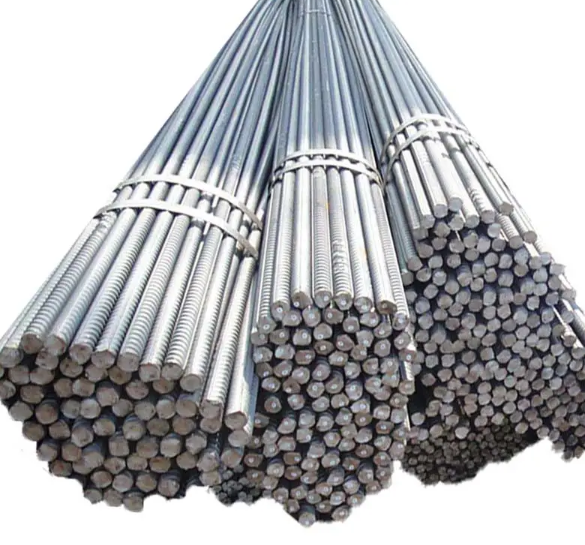
Seismic-Resistant Structures: Why Deformed Steel Bars Excel Under Stress
The role of bond strength and surface deformation in seismic resilience
Steel bars with deformations actually make buildings stand up better during earthquakes because of those special ridges and bumps on their surfaces that grab hold of the concrete around them. These irregularities increase how well the steel sticks to concrete by roughly 40 to 60 percent compared to plain bars, which means forces from shaking get transferred properly instead of causing parts to slip apart. What’s really important here is that these deformations spread out the energy from an earthquake throughout the whole concrete structure instead of letting all that force build up at one spot where cracks might start. Another benefit nobody talks about much is how these textured bars handle the different ways steel and concrete expand when temperatures change during disasters. And perhaps best of all, they let buildings bend and sway without breaking completely. This flexibility has become standard practice in areas prone to earthquakes nowadays.
Real-world performance: Case studies from earthquake-prone regions (Nepal and Chile)
Nepal and Chile have building regulations that require the use of deformed steel bars after thorough checks following earthquakes. When the big 2015 Gorkha earthquake hit Kathmandu at magnitude 7.8, buildings with these twisted bars saw around 70 percent fewer collapses compared to ones with regular straight reinforcement. The same story played out in Chile during the massive 8.8 Maule quake back in 2010. Skyscrapers there that used Fe500D deformed bars stayed standing through all that violent shaking. After looking at what happened, experts found that columns with deformed bars can handle several shifts without failing, giving people precious minutes to get out safely. Plain old rebar structures tend to collapse completely right when the ground starts shaking hard. What this shows is pretty straightforward really. The ability of materials to bend and stretch, which comes from those deformations on the steel surface, makes all the difference between saving lives and losing them in disasters.
Balancing ductility and constructability with high-grade deformed steel bars
Seismic design today requires reinforcement materials that can stretch quite a bit before breaking while still being easy enough to work with at construction sites. Take Fe500D steel for example it stretches between 18 to 25 percent before fracturing, which actually beats what most international building codes ask for, and yet remains flexible enough to form those complicated rebar cages needed in earthquake resistant structures. Even better are higher grade options like Fe550D, which gives about 15% more strength without making the bars too stiff to bend around corners or through tight spaces. Smart engineers know how important it is to match the rib pattern on these bars with the type of concrete mix they’re working with. Deeper ribs work great with runnier concrete, while smaller profiles handle stiffer mixes better. Get this right and deformed bars will not only withstand significant stress during earthquakes but also keep construction moving smoothly since workers can bend, tie, and position them according to standard practices on big infrastructure projects.
Reinforced Concrete Elements: Beams, Slabs, and Columns
Enhancing load transfer and crack resistance in flexural members using deformed steel bars
When used in beams and slabs, those twisted steel bars we call deformed rebars really boost how well the structure bends under load. The little ridges on their surface create much better hold between the steel and surrounding concrete. This means stress gets spread out more evenly across the material, and cracks take longer to start forming. Regular smooth rebar just doesn’t do this job right because it lets parts slide past each other until something breaks suddenly. Deformed bars work differently though they soak up stretching forces bit by bit, stopping cracks from getting worse once they appear. Most building codes these days insist on using ribbed bars wherever there’s lots of tension happening, particularly around column connections and halfway points along spans where things could fail fast if not reinforced properly. Lab tests have found that when installed correctly, these deformed bars can cut down on cracking problems by roughly 40% in beam construction. That makes all the difference for structures that need to last decades without constant repairs.
Deformed vs. plain rebar: Performance in continuous beam-slab systems
When it comes to integrated beam-slab framing systems, deformed bars just work better than regular plain rebar during normal operation as well as when things get pushed beyond their limits. The way they mechanically lock together helps prevent slipping at the connection points between slabs and beams, which actually creates that composite action we’re always talking about and makes the whole system stiffer overall. Systems built continuously with deformed reinforcement show around 30% less bending and keep cracks much narrower when subjected to similar loads. There are basically two main reasons for this improvement. First off, there’s better transfer of shear forces through those joints. Second, there’s what we call sustained strain compatibility. With plain rebar, stress tends to concentrate locally and this speeds up the breakdown process over time. Because of all these benefits, most structural engineers go straight for Grade Fe500D deformed bars whenever designing these kinds of systems. They know this particular grade offers the right mix of strength when it yields plus enough stretchability to handle unexpected stresses.
Infrastructure Projects: Bridges, Highways, and Flyovers
Superior fatigue resistance of deformed steel bars under cyclic traffic loading
Steel bars with deformations play a critical role in structures subjected to years of repeated heavy loads, especially things like bridge decks, highway expansion joints, and connections on overpasses. The ribs on these bars actually form a strong mechanical bond with the surrounding concrete. This helps spread out the stress from constant cycling and stops those tiny cracks from growing over time, which is one of the main ways materials fail under fatigue. What this means in practice is that the structure stays intact much longer even after going through thousands upon thousands of load cycles. When engineers work on seismic retrofits, they rely on this same property that makes buildings safer during quakes. The bars let old bridges deform in a controlled way without losing their ability to carry weight once they’ve started to yield. That’s why professionals almost always specify deformed bars whenever they need something that will resist fatigue over decades and still perform reliably after reaching its yield point.
Selecting the Right Deformed Steel Bar for Your Project
Comparing grades: Fe415, Fe500D, and Fe550D in Indian and ASTM standards
Choosing the right steel grade really comes down to finding that sweet spot between how strong it is when stressed (yield strength) and how much it can stretch before breaking (ductility), all while considering what kind of risks the building might face. Take Fe415 according to IS 1786 standards - it has around 415 MPa yield strength and at least 14.5% elongation. That works fine enough for small residential buildings located in areas where earthquakes aren’t too much of a concern. Then there’s Fe500D which gives us 500 MPa strength plus 16% minimum elongation. Builders across India tend to go with this one for taller buildings sitting in seismic Zones III through V because it handles shaking better during quakes. For situations requiring even more muscle power per square inch, maybe due to heavy loads or limited space, Fe550D fits the bill nicely. It meets ASTM A615 specs with 550 MPa strength and similar stretching capability. Countries facing serious earthquake threats such as Japan and California still look to Fe500D as their gold standard when designing structures that need to resist sideways forces from tremors.
Matching bar size and grade to structural demands and environmental conditions
Getting the right bar diameter and steel grade depends heavily on what kind of load it needs to carry and where exactly it will be installed. Coastal areas typically need bars between 16 to 32 mm in size made of Fe500D steel with protective coatings like epoxy or zinc galvanization to fight off saltwater damage. When building structures that handle lots of traffic, such as overpasses and highway bridges, engineers often go for bigger bars ranging from 25 to 40 mm in diameter using top quality steel grades. These larger sizes help withstand constant stress better and cut down on repairs later on. On the flip side, indoor concrete slabs located in arid regions with minimal risk factors can get away with smaller Fe415 bars measuring around 8 to 12 mm since they don’t face extreme conditions. Before buying any steel reinforcement, it’s smart practice to check those certification stamps against standards like IS 1786 or ASTM A615 specifications. This simple step helps track where the material came from, confirms it meets safety regulations, and ensures consistent performance across different projects.