
 EN
EN
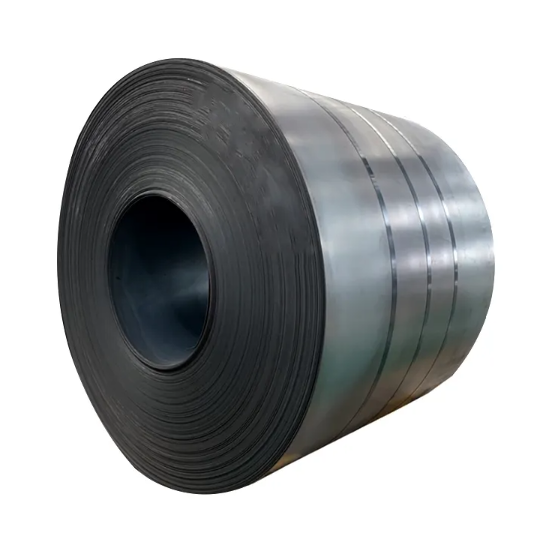
Construction Industry: Structural Frameworks and High-Rise Applications
Role of hot rolled steel in structural applications
Hot rolled steel plates are basically what holds up most modern buildings because they can handle heavy weights and maintain their shape over time. The latest industry stats from 2025 show these plates go into all sorts of structural components like beams, columns, and those triangular truss systems that make up the skeleton of tall buildings. When manufacturers roll the steel at high temperatures, it creates this special grain structure inside the metal that makes it stronger. This means buildings made with hot rolled steel can better withstand the weight pressing down on them as well as stand up to earthquakes and other shaking forces, which is pretty important for anything with multiple floors.
Common uses in building frameworks and load-bearing systems
Construction teams rely on hot rolled steel for frameworks requiring uniform thickness and structural integrity. Key applications include:
- Shear walls in earthquake-resistant designs
- Composite floor systems combining steel plates with concrete slabs
- Cantilevered structures needing consistent material performance across wide spans
This versatility supports architectural freedom—enabling expansive atriums and irregular geometries—while ensuring continuous load transfer from foundation to roof.
Case study: High-rise building frameworks using hot rolled steel plates
A 42-story commercial tower in Seattle exemplifies the advantages of hot rolled steel. Engineers specified ASTM A572 Grade 50 plates for all primary vertical supports, achieving:
| Metric | Performance Improvement |
|---|---|
| Column load capacity | 25% increase vs. cold-rolled alternatives |
| Construction timeline | 18% acceleration due to simplified connections |
Using 1,800 tons of hot rolled plate steel, the project reduced total structural weight by 12% compared to conventional methods.
Advantages over cold-rolled steel in construction durability
Hot rolled steel stands up better over time because of that thick mill scale on its surface. This natural oxide layer acts as protection against rust starting in the first place. According to some field tests, this type of steel keeps around 94% of its original strength even after three decades, which beats what we see with cold rolled steel at about 88% in comparable conditions. What makes hot rolling special is how it maintains the metal's ability to bend without breaking when pressure builds up. Instead of snapping suddenly like some materials do, hot rolled steel can deform gradually under stress, making it safer for structural applications where unexpected failures could be catastrophic.
Sustainability trends and demand for long-lasting steel materials
With growing focus on extended building lifespans, hot rolled steel is increasingly strategic. Structures using these plates achieve 40-year service lives with a 23% lower lifetime carbon footprint than mixed-material alternatives. Combined with recycling rates exceeding 90%, this positions hot rolled steel as a cornerstone of circular construction economies.
Automotive and Heavy Machinery: Strength and Scalability in Manufacturing
Use of Hot Rolled Steel Plate in Vehicle Chassis and Transportation Equipment
Hot rolled steel plates deliver foundational strength for vehicle chassis, combining formability with structural integrity. Their malleability during production allows shaping of truck, bus, and railcar components without sacrificing tensile strength (typically 400–550 MPa). This balance makes them ideal for transportation equipment requiring impact resistance and precise dimensional control.
Balancing Strength, Formability, and Cost in Automotive Design
Car manufacturers tend to go with hot rolled steel when making crossmembers and suspension arms because it saves money when producing vehicles in large quantities. Recent improvements in how we process this type of steel have made it about 15 to maybe even 20 percent easier to shape than older versions. This means engineers can create more complicated designs without compromising safety requirements for crashes. The benefit extends beyond design flexibility too. Using hot rolled instead of cold rolled steel cuts down on wasted materials during stamping processes by roughly 12 percent. That kind of reduction matters a lot when manufacturing millions of parts each year.
Case Study: Truck Frames and Railcar Components Built With Hot Rolled Steel
A 2023 analysis of North American freight carriers found trucks with hot rolled steel frames experienced 30% fewer fatigue-related failures over 500,000-mile service periods. Railcar manufacturers report similar gains: hot rolled steel side frames last 40% longer in heavy-haul applications than cast alternatives, significantly lowering lifecycle maintenance costs.
Trend Toward Lightweight Yet High-Strength Steel in Machinery
The machinery sector is adopting advanced hot rolled grades like HSLA 80 to reduce weight by 10–15% without compromising load capacity. These steels maintain yield strengths above 700 MPa and offer improved weldability—critical for mining and agricultural equipment exposed to dynamic stresses.
Cost-Performance Trade-Offs in Mass Production Environments
Hot rolled steel provides a 25–35% cost advantage over cold-rolled equivalents in high-volume manufacturing, especially for parts requiring post-forming treatments. As noted in the 2024 Manufacturing Scalability Report, this savings allows manufacturers to allocate 18–22% more budget toward precision machining while maintaining aggressive production schedules.
Energy Sector: From Oil Rigs to Renewable Infrastructure
Application of Hot Rolled Steel in Oil, Gas, and Renewable Energy Projects
Hot rolled steel plates form the backbone of our energy systems. According to the latest global infrastructure report from 2024, around three quarters of all pipelines and over half of offshore oil rigs rely on these plates for structural integrity. The material has become essential across multiple sectors too. Drilling platforms benefit greatly from its ability to withstand impacts and weld well together. Renewable energy installations are also adopting hot rolled steel increasingly, particularly for the massive base plates needed for wind turbines and the pressure vessels used in hydrogen storage facilities. What makes this material so valuable is its scalability factor. When building modules offshore, companies can cut down assembly time by roughly 30% when using hot rolled instead of cold rolled options, which makes a huge difference in project timelines and costs.
Performance Under High Pressure and Extreme Temperatures
At around 400 degrees Fahrenheit (that's about 204 Celsius), hot rolled steel keeps roughly 85% of its original strength, which is why many engineers choose it for things like geothermal installations and storing liquefied natural gas. When compared to aluminum alloys, this type of steel holds up much better against repeated stress from operations such as hydraulic fracturing. The consistent grain structure throughout the material helps prevent cracks from spreading when submerged underwater. Tests conducted over time show minimal wear too – less than half a tenth of a percent thickness reduction even after spending nearly 5,000 hours exposed to saltwater mist conditions commonly found offshore drilling sites.
Case Study: Offshore Drilling Platforms Relying on Heavy-Gauge Steel Plates
The offshore installation in the North Sea needed around 1,200 tons of hot rolled steel plates ranging from 50 to 100 mm thick just to handle the brutal conditions there - think 15 meter high waves crashing against it and winds blowing at 100 knots straight out of nowhere. The steel used had this impressive tensile strength of 550 MPa which actually allowed engineers to cut down on support columns by about 20% without compromising on safety standards. Maintenance records show something pretty remarkable too. For the first five years after construction, workers spent significantly less time fixing things compared to similar platforms made with composite materials. We're talking roughly 40% fewer repairs overall, which translates into real savings for operators in both money and downtime.
Growth in Wind Turbine Towers and Pipeline Networks
The need for hot rolled steel in wind power installations jumped around 32 percent from 2020 onwards. Wind turbines require massive amounts of steel for their foundations, typically between 80 to 150 tons per unit. Looking at cross country pipeline projects, many are now going with ASTM A573 Grade 65 plates because these materials can handle fractures even when temperatures drop to minus 50 degrees Celsius. That kind of performance makes them ideal for expanding infrastructure into Arctic regions where extreme cold is common. According to industry estimates, roughly 28 million metric tons of steel could end up being consumed by hydrogen pipeline networks by the year 2030. If accurate, this would represent nearly double what's currently being used today across all similar applications.
Marine and Shipbuilding Applications: Durability at Sea
Corrosion Resistance and Longevity in Marine Environments
Marine environments can be tough on materials, but hot rolled steel plates hold up surprisingly well against saltwater corrosion. According to research published in 2024, these plates without any protective coating actually last around 15 to 20 years in areas with moderate salt levels. That's about 30% longer than regular carbon steel would typically last under similar conditions. The reason behind this impressive performance lies in how the metal is processed. When steel goes through the hot rolling process at high temperatures, it creates a denser grain structure inside the material. This density helps prevent those tiny cracks from forming where corrosion usually starts to take hold over time.
Hull Construction and Deck Plating Using Hot Rolled Steel Plates
Shipbuilders use hot rolled steel for hulls and decks because of its balance between malleability—allowing cold-forming into curves—and tensile strength (350–550 MPa). Over 80% of cargo ship hulls employ plates thicker than 20mm, as shown in industry analyses. Uniform thickness (±1.5mm tolerance) ensures reliable welding across large marine assemblies.
Case Study: Fabrication of Bulk Carrier Vessels
A 225-meter bulk carrier completed in 2023 highlights the scalability of hot rolled steel. Builders used 4,200 tons of AH36-grade plates for the double-hull system, achieving a 12% weight reduction while meeting IACS regulations. Post-construction stress tests revealed less than 0.2% deformation under full cargo loads, confirming excellent fatigue resistance.
Innovations in Coated Steel for Enhanced Saltwater Resistance
New zinc-nickel coatings applied post-rolling extend service life in harsh marine environments. Trials indicate these coatings reduce corrosion rates by 68% compared to epoxy alternatives in North Atlantic conditions. By integrating roll-forming with in-line coating systems, manufacturers cut production timelines by 25% while aligning with IMO sustainability targets for 2030.
Table of Contents
-
Construction Industry: Structural Frameworks and High-Rise Applications
- Role of hot rolled steel in structural applications
- Common uses in building frameworks and load-bearing systems
- Case study: High-rise building frameworks using hot rolled steel plates
- Advantages over cold-rolled steel in construction durability
- Sustainability trends and demand for long-lasting steel materials
-
Automotive and Heavy Machinery: Strength and Scalability in Manufacturing
- Use of Hot Rolled Steel Plate in Vehicle Chassis and Transportation Equipment
- Balancing Strength, Formability, and Cost in Automotive Design
- Case Study: Truck Frames and Railcar Components Built With Hot Rolled Steel
- Trend Toward Lightweight Yet High-Strength Steel in Machinery
- Cost-Performance Trade-Offs in Mass Production Environments
- Energy Sector: From Oil Rigs to Renewable Infrastructure
- Marine and Shipbuilding Applications: Durability at Sea