
 EN
EN
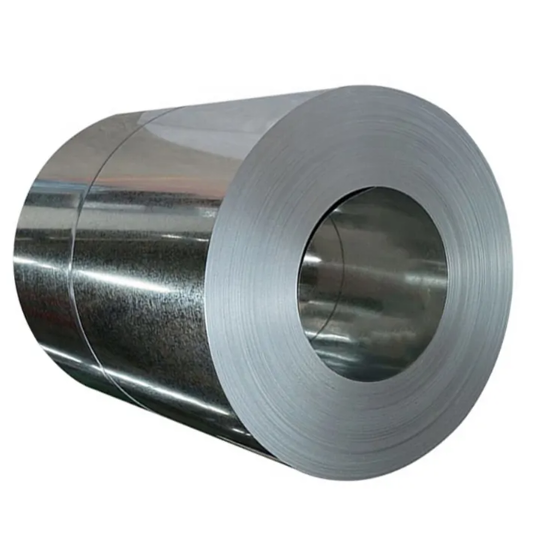
Understanding Carbon Steel Composition and Mechanical Properties
Carbon steel coils derive their performance characteristics from precisely controlled iron-carbon alloy compositions. The carbon content directly influences mechanical behavior, enabling engineers to match material properties with specific manufacturing and structural requirements.
Carbon Content in Low, Medium, and High-Carbon Steel
Steel is classified by carbon percentage, which determines its mechanical profile:
- Low-carbon (0.05%-0.3%): Offers excellent formability and weldability, ideal for stamping applications; tensile strength ranges from 40,000–50,000 PSI.
- Medium-carbon (0.3%-0.6%): Balances strength (60,000–90,000 PSI) with moderate ductility, suitable for forged parts and machinery components.
- High-carbon (0.6%-2.0%): Delivers over 100,000 PSI tensile strength, used in springs and cutting tools, but requires heat treatment due to reduced weldability.
| Property | Low-Carbon | Medium-Carbon | High-Carbon |
|---|---|---|---|
| Hardness (HV) | 120-150 | 150-250 | 250-400+ |
| Ductility (% Elongation) | 25-35% | 15-25% | 5-15% |
| Weldability | Excellent | Moderate | Poor |
Mechanical Properties of Carbon Steel
The iron-carbon matrix governs three key performance metrics:
- Tensile Strength increases up to 220% as carbon content rises from low to high grades.
- Hardness nearly triples across the spectrum due to enhanced martensitic formation.
- Ductility declines significantly beyond 0.6% carbon, limiting cold-forming capabilities.
Research shows that medium-carbon steel with 0.45% carbon achieves optimal fatigue resistance—120% greater than low-carbon variants—while retaining sufficient formability for cold-forged components, making it a preferred choice in automotive drivetrains.
How Carbon Content Affects Formability and Weldability
Increasing carbon levels alter the crystalline structure, introducing tradeoffs critical to manufacturing:
- Each 0.1% rise in carbon reduces cold-forming capability by 12–15% in rolled coils.
- Weld crack susceptibility increases by approximately 18% per 0.1% carbon above 0.25%.
- Post-weld heat treatment becomes necessary starting at 0.35% carbon to mitigate brittleness.
To optimize material selection, manufacturers increasingly use predictive modeling—especially in automotive production—where high-strength steels must still support complex stamping operations without cracking.
Types of Carbon Steel Coils: Hot Rolled, Cold Rolled, Galvanized, and Pre-Painted
Differences Between Hot Rolled and Cold Rolled Carbon Steel Coils
When working with hot rolled coils, they get heated way past 1700 degrees Fahrenheit during processing which gives them those rough surfaces that work well for things like building beams and farm equipment. Cold rolled coils tell a different story though. These go through shaping at normal temperatures without all that heat treatment, allowing manufacturers to hit much tighter specs around 0.001 inch variance and reach impressive tensile strengths up to 80 thousand psi. That makes cold rolled steel perfect for manufacturing precise cutting tools and car body parts where every fraction matters. Sure, hot rolled materials come in cheaper by about 15 to 20 percent, but when it comes to getting that flawless surface quality and exact measurements needed for high performance products, cold rolling remains the go to choice for serious engineering applications.
Benefits of Galvanized and Pre-Painted Carbon Steel Coils in Manufacturing
Galvanized steel coils come with a zinc coating ranging from around 60 to 180 grams per square meter. This protective layer can last well over half a century even in tough conditions like those found near coastlines where salt air accelerates rusting. Moving on to pre-painted options, these coils already have coatings made from materials like PVDF or polyester applied at the factory. Contractors really appreciate this because it means no need for additional painting work on site. Labor expenses drop somewhere around 40 percent when using these pre-coated products, while projects tend to wrap up about 30 percent faster too, as noted in recent industry reports from 2023. Plus, architects love having these finished coils since they offer plenty of design flexibility for both roof installations and building exteriors without compromising durability.
Applications of Specialty Carbon Steel Coils in Industrial Environments
Specialty grades serve niche but vital roles across industries:
- Construction: Galvanized coils resist salt spray in roofing and drainage systems.
- Energy: API 5L X70 line pipe steel handles extreme pressures in oil and gas pipelines.
- Transportation: Bake-hardened steels (BH 220/340) enhance payload efficiency in truck frames.
A case study demonstrated that ASTM A653 galvanized coils cut maintenance expenses by 62% in wastewater treatment facilities compared to uncoated carbon steel, underscoring long-term value despite higher initial cost.
Carbon Steel Grades (ASTM, AISI, SAE) and Selection Criteria
Overview of ASTM, AISI, and SAE Steel Grading Systems
Three primary systems standardize carbon steel classification:
- ASTM International uses alphanumeric codes (e.g., ASTM A36 for structural steel with 0.26% carbon).
- SAE/AISI employs four-digit numbering (e.g., AISI 1045 indicates 0.45% carbon plain carbon steel).
- SAE International aligns closely with AISI, focusing on automotive and industrial specifications.
These standardized systems help engineers compare carbon steel coils by composition and mechanical properties, reducing procurement errors by 23% (Materials Standards Report 2023).
Matching Manufacturing Needs to Standard Carbon Steel Grades
The steel world really leans on medium carbon varieties like AISI 1045 when it comes to making tools and gears because they strike just the right balance between strength (around 620 MPa) and how easy they are to work with during machining processes. For structural welding applications though, most folks turn to low carbon options such as ASTM A36 since these materials bend better and generally play nice during fabrication tasks. According to recent industry research from last year looking at around 150 different manufacturing operations across North America, roughly two thirds of them stick with ASTM specifications for their building projects while reserving those fancy AISI or SAE classifications specifically for parts that need exact measurements and tight tolerances.
Case Study: Selecting AISI 1045 vs. ASTM A36 for Structural Components
One major equipment maker saw their hydraulic piston rod problems drop by about 40% when they made the switch from ASTM A36 steel (which has around 400-550 MPa tensile strength) to AISI 1045 at 625 MPa. Sure, A36 is easier to weld and costs less money per pound too something like 38 cents versus almost 52 cents for the other option but what really matters in those tough operating environments is how well the material holds up over time. The hardened surface treatment on AISI 1045 just stands up better to all that stress and wear. What this shows us is that picking the right steel grade isn't just about what's cheapest or easiest to get hold of it needs to match exactly what the machinery will actually be subjected to in real world conditions.
Applications of Carbon Steel Coils Across Industries
Uses of low-carbon steel coils in automotive and construction
Low carbon steel coils containing between 0.05 and 0.25 percent carbon make up most car bodies today, along with chassis parts and those critical crash structures that keep drivers safe during accidents. These materials work so well because they can be welded easily and stand up pretty good against impacts. When it comes to buildings, contractors love using them for roofs, frames that resist earthquakes, and those prefabricated modules that speed up construction time. According to various industry reports, something like 60 plus percent of all commercial steel structures actually depend on these low carbon coils. Why? Because they strike just the right balance between being strong enough but still flexible when needed, plus they're easy to shape and form during manufacturing processes.
Medium-carbon steel coils in machinery and tool manufacturing
Medium carbon steel coils typically contain around 0.3 to 0.5 percent carbon, making them pretty much perfect for manufacturing parts that need both strength and good machining characteristics. These materials get shaped into all sorts of industrial components like gears, drive shafts, and various hydraulic fittings used throughout manufacturing plants. Recent improvements in how we treat surfaces has actually opened up new markets for these coils too. We're seeing them show up more frequently in food processing machinery and offshore drilling platforms because they now resist corrosion better than before. What really sets these coils apart though is their ability to maintain consistent mechanical properties even when produced in massive quantities. This reliability factor makes them especially attractive for robotic manufacturing lines and automated assembly systems where predictability saves time and money down the line.
High-carbon steel coils in springs, wires, and high-strength parts
Steel coils with high carbon content ranging from 0.55 to 0.95 percent offer outstanding tensile strength along with good elastic properties. When cold drawn for suspension springs, these materials can handle over half a million compression cycles before showing any sign of wear out, which is absolutely essential for things like train suspensions and aircraft components where reliability cannot be compromised. Manufacturers working with wire often transform these same coils into crane cables that are strong enough to lift weights twenty times greater than what the cable itself weighs. For knife makers, there's another benefit too. The material retains its sharpness exceptionally well when treated properly during quenching and tempering stages, making it a preferred choice among those who need blades that stay sharp longer between sharpenings.
Real-world example: High-carbon steel coils in automotive spring production
One European parts maker recently revamped suspension springs by switching to high carbon steel, tackling those tricky weight balance issues common in electric cars. What makes this material so good is its ability to withstand repeated stress without breaking down. This allowed engineers to create springs that are 15 percent thinner than before but still hold up under the same loads. The result? Each car ends up 27 kilograms lighter overall. And there's another benefit too: manufacturing crews report forming these new springs takes about 18% less time than with regular alloy steel options. For automakers looking to cut costs and environmental impact at the same time, this kind of innovation hits all the right marks.
Balancing Cost-Effectiveness, Strength, and Formability in Selection
Evaluating Cost Versus Performance in Carbon Steel Coil Selection
Material selection requires balancing upfront cost with lifecycle performance. According to a 2023 Material Selection Study, 68% of industrial buyers now use lifecycle cost analysis when specifying mission-critical components. Key considerations include:
- Corrosion resistance versus galvanization expense
- Required strength relative to alloying and processing costs
- Scrap rates influenced by formability limitations
Medium-carbon coils (0.30–0.60% carbon) often provide the best compromise, delivering 550–850 MPa tensile strength at 15–20% lower cost than high-carbon alternatives in structural and mechanical applications.
Trade-Offs Between Strength, Ductility, and Manufacturability
Higher carbon content improves hardness but reduces elongation, affecting deep-drawing and stamping operations. Modern grain structure optimization has led to advanced cold-rolled coils with improved performance:
| Property | Traditional Coils | Optimized Coils | Improvement |
|---|---|---|---|
| Yield Strength | 350 MPa | 420 MPa | +20% |
| Elongation at Break | 18% | 22% | +22% |
Supply chain professionals recommend Total Cost of Ownership (TCO) models that incorporate secondary processing expenses such as heat treatment and machining, ensuring holistic decision-making.
Trend: Increasing Use of Optimized Medium-Carbon Coils in Precision Manufacturing
Industries like automotive and aerospace are adopting optimized medium-carbon coils (e.g., AISI 1045, ASTM A576) for components requiring tight tolerances and reliable performance. These grades offer:
- 12–15% better machinability than high-carbon steels
- Uniform hardness profiles (±2 HRC) after heat treatment
- 30% faster stamping cycle times compared to alloy steels
In 2023, a leading EV manufacturer lowered chassis production costs by $18 per unit by transitioning to optimized medium-carbon coils, validating this approach as a scalable strategy for cost-efficient, high-performance manufacturing.
Table of Contents
- Understanding Carbon Steel Composition and Mechanical Properties
- Types of Carbon Steel Coils: Hot Rolled, Cold Rolled, Galvanized, and Pre-Painted
- Carbon Steel Grades (ASTM, AISI, SAE) and Selection Criteria
- Applications of Carbon Steel Coils Across Industries
- Balancing Cost-Effectiveness, Strength, and Formability in Selection