
 EN
EN
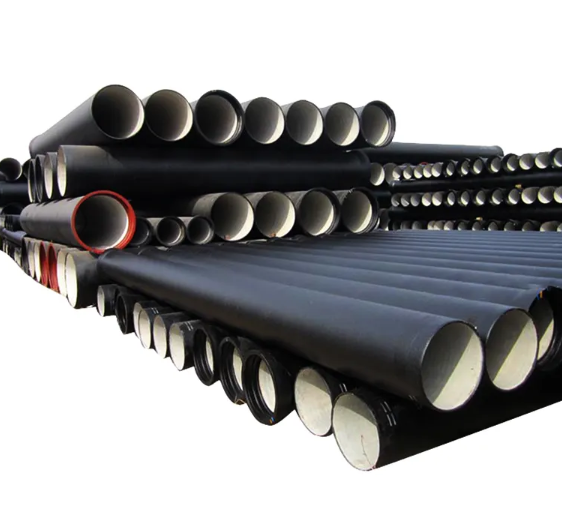
Pre-Installation Planning and Site Preparation for Ductile Iron Pipe
Site Assessment, Trench Layout, and Compliance with AWWA C600 Standards
Site evaluation needs to come first when installing ductile iron pipes, really important stuff actually. Looking at the geology helps figure out what kind of soil we're dealing with, where groundwater sits, and if there are any hidden obstacles down there. All these details matter a lot for designing trenches properly and figuring out how to support them later on. When laying out trenches, they need to stick close to the planned grades but also watch out for existing underground lines and dodgy ground conditions. According to AWWA standards, trenches should be about 1.5 times wider than the pipe itself plus an extra foot or so. This gives enough room to work on joints, check everything looks good, and compact the surrounding material properly. Surveyors nowadays use laser equipment to make sure elevations are spot on, keeping deviations under half a percent so water flows correctly through the system. For most jobs, the ground needs to hold at least 1,500 pounds per square foot. If it doesn't measure up, crews have to do things like pump out excess water or bring in better quality soil mixtures to stabilize the area.
Bedding Design and Soil Classification for Structural Support of Ductile Iron Pipe
The way we design bedding has a major impact on how well structures perform over time. When it comes to choosing materials, soil classification according to the Unified Soil Classification System matters a lot. For instance, ASTM C33 sand needs to be compacted at least 95% of Proctor density to properly distribute loads under the bottom of pipes. With cohesive soils like CL or CH types, laying down about six inches of crushed stone as a sub base helps prevent uneven settling problems. The actual bedding angle depends on what kind of load the system will handle and the specific soil conditions present at the site location.
| Soil Type | Minimum Bedding Angle | Required Compaction |
|---|---|---|
| Non-cohesive | 30° | ≥ 90% Proctor Density |
| Cohesive | 45° | ≥ 95% Proctor Density |
Geotextile separation fabric is required at transitions between soil classes to prevent intermixing. Final deflection testing—per ASTM F1216—must confirm pipe ovality remains under 5%.
Correct Installation of Ductile Iron Pipe: Jointing, Alignment, and Field Best Practices
Push-On and Mechanical Joint Assembly Under Variable Site Conditions
Getting good joint integrity really comes down to following the right procedures step by step. When working with push-on joints, make sure to give both the spigot and bell a thorough cleaning first. Apply lubricant only where it matters most - directly onto the gasket material. And remember to line up the spigot properly when inserting it into place because off-center installations often lead to gasket extrusion, which causes those frustrating leaks in pressurized systems. For mechanical joints, bolts need to be tightened evenly using a star pattern approach, keeping that 0.5 inch gap between flanges exactly as specified by the manufacturer. If there's water around, submersible pumps should be running to keep trenches dry while making connections. Thermal expansion becomes an issue too, especially for pipes installed above ground where temperatures swing over 30 degrees Fahrenheit. Allow about a quarter inch extra space every hundred feet of piping. And watch out for angular deflections during installation, they shouldn't go beyond two degrees from the central axis otherwise problems will develop down the road.
Alignment Verification and Tolerance Control per AWWA C151/A21.51
Survey tools guided by lasers check the alignment right after each joint gets put together, making sure everything lines up horizontally and vertically according to what was planned in the design. The industry has pretty tight tolerances here too. For angles, we need to keep things within about 1.5 degrees at each connection point. When it comes to parallel offsets, nothing can drift more than an inch over 50 feet distance. And for vertical grades, we're looking at staying within plus or minus 0.1 feet from where the plans say they should be. Burial depths also matter a lot, especially in places where traffic runs through them. Regulations require at least three feet below ground level according to DOT guidelines. Once the initial six inches of backfill material goes in place, do another round of checks with those mandrel gauges. If there's any bend or twist that goes beyond 5 percent of the actual pipe size, fix it right away as specified by AWWA C151 standards. Keep track of all these numbers using geospatial mapping programs because documentation is essential for meeting regulations and keeping good records for future maintenance work.
Post-Installation Procedures: Backfilling, Hydrostatic Testing, and Disinfection
Controlled Backfilling and Compaction to Prevent Ductile Iron Pipe Deflection
The sequencing and control of backfill operations are critical for maintaining proper pipe geometry and alignment during installation. Start by placing selected granular material free from rocks, debris, or frozen chunks up to about halfway along the pipe's height. Compaction should happen in lifts measuring roughly six to eight inches thick while the material is at its optimal moisture level, aiming for at least 95% Standard Proctor density as a benchmark. According to guidelines set forth in AWWA M41, pipes shouldn't deflect more than 3% under normal soil loads. When filling above what's called the springline area, temporary bracing becomes absolutely necessary to keep the pipe round and properly aligned throughout the process. For final stages, native soil gets compacted in twelve inch increments, paying particular attention to those areas known as haunches, especially near pipe joints where full lateral support needs to be maintained. Experience on actual job sites has demonstrated that poor compaction practices can actually increase deflection risks by around seventy percent, potentially cutting down the useful lifespan of installed piping systems anywhere from fifteen to twenty years depending on conditions.
Hydrostatic Pressure Testing Protocols and Chlorine Disinfection Compliance
After completing the backfill work comes hydrostatic testing, which needs to follow AWWA C600 standards. The basic rule here is simple math: multiply the system's normal operating pressure by 1.5 to get the required test pressure, then hold that level for at least two hours straight. When setting up test sections, technicians need to isolate them properly with accurately calibrated pressure gauges. If there's a drop in pressure greater than 2 psi across every 100 feet of pipe, that usually signals some kind of problem worth looking into further. For disinfecting purposes, most facilities go with free chlorine concentrations between 10 and 50 mg/L. Let it sit for a full day at minimum, then flush everything out thoroughly until the remaining chlorine levels match what's coming from the local water supply. No system gets turned on without first passing bacteriological tests. Looking at actual field data, systems that stick strictly to these procedures tend to show around 98% leak-free operation when inspected after five years in service. That's why keeping detailed records of all test outcomes remains so important during those inevitable regulatory checkups down the road.
Long-Term Maintenance and Performance Assurance for Ductile Iron Pipe Systems
Corrosion Protection: Cement-Mortar Lining, Cathodic Protection, and Dual-Coating Systems
Corrosion management is foundational to achieving ductile iron pipe lifespans exceeding 70 years. Three complementary strategies form the industry standard:
- Cement-mortar lining, applied to the interior surface, establishes an alkaline passivation layer that reduces internal corrosion by up to 90% in potable water systems
- Cathodic protection, implemented via sacrificial anodes or impressed current systems, counters electrochemical degradation in aggressive soils
- Dual-coating systems, combining polyethylene encasement with epoxy-sealed joints, provide robust defense in extreme environments—including coastal zones and high-sulfide soils
Annual verification includes lining thickness sampling and soil resistivity mapping per NACE SP0169 to validate ongoing protection efficacy.
In-Service Monitoring, Service Tap Installation, and Leak Detection Best Practices
When utilities switch from fixing problems after they happen to predicting issues before they occur, the whole maintenance game changes. Sound-based leak finding tech with those underwater microphones can pinpoint leaks down to about a meter away, which cuts down on wasted water that never gets billed by roughly 15%. For service connections, the pipes need special fittings that meet AWWA standards so the main line stays strong when branches are added. While systems are offline for scheduled maintenance, these magnetic inspection tools called smart pigs measure how thin pipe walls have become with incredible detail. Getting good pressure readings throughout the entire system is essential too. When combined with area-specific metering, most problems can be found and fixed within a day or so, keeping everything running smoothly despite the inevitable wear and tear over time.
Table of Contents
- Pre-Installation Planning and Site Preparation for Ductile Iron Pipe
- Correct Installation of Ductile Iron Pipe: Jointing, Alignment, and Field Best Practices
- Post-Installation Procedures: Backfilling, Hydrostatic Testing, and Disinfection
- Long-Term Maintenance and Performance Assurance for Ductile Iron Pipe Systems