
 EN
EN
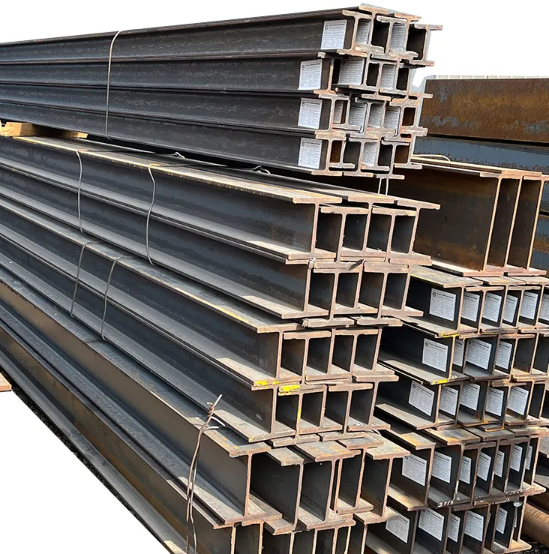
Shandong Baotai Metal Materials Group Co., Ltd., a reputable enterprise located in Jinan, Shandong Province, has dedicated over two decades to providing high quality steel solutions. As an integrated company handling production, processing, sales, and transportation, we specialize in various materials including carbon steel and galvanized steel, with a deep understanding of structural components. Among these, the H beam is a fundamental element in construction and manufacturing. A critical question for engineers and builders is: what load capacity does an H beam possess? This blog delves into the factors determining the strength and reliability of H beams, essential knowledge for any project requiring durable support.
The Fundamental Design of an H Beam
The exceptional load bearing capability of an H beam stems from its unique shape. The "H" configuration, with its two parallel flanges connected by a central web, creates a highly efficient cross section. This design optimally distributes material away from the neutral axis, granting the beam superior strength relative to its weight. The H beam is engineered to handle diverse types of stress, making it indispensable for structural frameworks.
Bending and Shear Strength
The primary function of an H beam is to resist bending forces applied perpendicular to its length. The wide flanges at the top and bottom are crucial for managing compression and tension during bending. Simultaneously, the vertical web is designed to withstand shear forces, preventing the beam from tearing or buckling under heavy loads. This combination allows H beams to support immense weight over long spans, such as in building floors or bridge decks.
Material Composition and Quality
The inherent capacity of any H beam begins with the quality of steel used in its manufacture. At Baotai Metal, we understand that consistent material properties are non negotiable. Our H beams are sourced from trusted partners and produced under strict certifications, ensuring the steel's yield strength and ultimate tensile strength meet precise standards. High grade steel directly translates to a higher load rating for the final beam, providing a reliable foundation for calculations.
Key Factors Influencing Load Capacity
The exact load an H beam can support is not a single number but a calculated value dependent on several interrelated factors. Understanding these variables is key to safe and efficient design.
Dimensions and Section Properties
The physical size of the H beam is the most obvious determinant. This includes its depth, flange width, flange thickness, and web thickness. Engineers refer to standardized section properties like the Moment of Inertia (I) and the Section Modulus (S), which are derived from these dimensions. A larger and heavier H beam, with thicker components, will typically have a higher load capacity. Precise measurements are vital for accurate load calculations.
Span Length and Support Conditions
The distance between the beam's supports, or its span, dramatically affects its performance. A given H beam will support a much smaller load over a 20 meter span than over a 5 meter span. Furthermore, how the beam is connected at its ends whether it is simply supported, fixed, or cantilevered changes the distribution of stress and must be accounted for in the structural analysis.
Type and Direction of the Load
Load capacity is defined for specific loading conditions. An H beam is strongest when the load is applied vertically against its strong axis (the axis with the greatest depth). If force is applied along its weak axis or as a lateral load, the beam's effective capacity is significantly reduced. Additionally, the nature of the load whether it is a uniform load spread across the span or a concentrated point load influences the maximum safe value.
Calculating and Applying Load Capacity
Determining the precise load for an H beam is a task for qualified structural engineers who use established codes and sophisticated software. They consider all the aforementioned factors alongside safety factors, which provide a margin of error to account for unforeseen stresses or material imperfections.
The Role of Professional Customization
This is where the expertise of a supplier like Baotai Metal becomes invaluable. Beyond providing standard H beams, we offer extensive processing services such as leveling, cutting, and straightening. This allows for the customization of beams to meet non standard specifications or to prepare them for specific connections in a larger structure, ensuring the designed load path is maintained.
Commitment to Reliable Supply
With an annual inventory exceeding 200,000 tons and a network of trusted mill partners, we ensure a reliable supply of quality H beams. Our team's 20 years of industry focus means we can support your projects with the right material, backed by the necessary certifications, to help you achieve the required load capacity safely and efficiently.
In conclusion, the load capacity of an H beam is a complex characteristic defined by its geometry, material, span, and loading conditions. Selecting the correct H beam is paramount for structural integrity. Partnering with a knowledgeable and trustworthy supplier provides the foundation for this critical decision. For projects demanding reliable performance, understanding the strength of your H beam is the first step toward building with confidence.