
 EN
EN
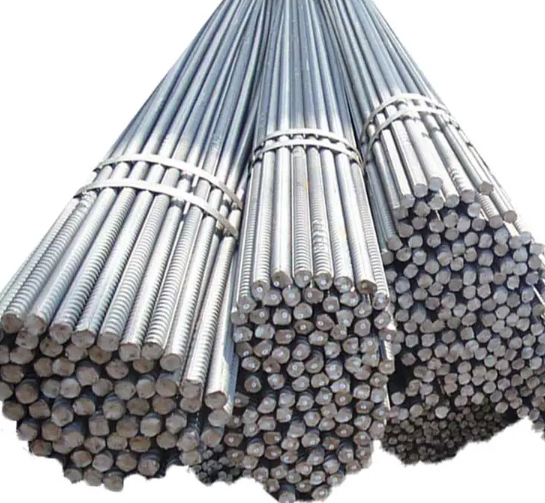
How Rebar Sizes Are Defined: Standards, Notation, and Key Dimensions
Decoding the #X System and Metric Equivalents (6mm–57mm)
Rebar sizes follow standardized numbering conventions where the #X designation corresponds to diameter in eighths of an inch. For example, #3 rebar equals 3/8-inch (9.5mm), while #8 signifies 1-inch (25.4mm). This system spans #3 (6mm) to #18 (57mm), with metric equivalents enabling global project coordination. Key imperial-metric conversions include:
- #4: 12.7mm
- #5: 15.9mm
- #9: 28.7mm
- #11: 35.8mm
Diameter consistency ensures uniform load distribution across concrete structures. Engineers rely on these standardized dimensions—first codified in ASTM A615—to align reinforcement layouts with international building codes like ACI 318 and ISO 6935.
ASTM A615/A706 Grades and Why Diameter Alone Doesn’t Determine Strength
ASTM sets the rules for how strong rebar needs to be, mainly through their standards like A615 for regular carbon steel and A706 for those weldable low alloy steels. When looking at what a bar can handle, diameter plays a role sure, but really what counts is the yield strength grade. Take Grade 60 for instance, it holds up against about 60 thousand pounds per square inch or around 414 megapascals. Grade 80 goes even higher at roughly 80k psi or 552 MPa. Interestingly enough, two bars of exactly the same thickness but different grades might show as much as a third difference in their tensile strength capabilities. The actual materials used make all the difference too. With A706 steel, there's special control over chemical makeup that actually improves how well it bends before breaking and performs during earthquakes, yet still meets those exact dimension requirements. For anyone involved in structural design work, checking both the physical measurements and metal characteristics becomes essential. And don't forget to always request those mill test reports according to section 11 of ASTM A615 when verifying specs.
Matching Rebar Sizes to Structural Applications
Selecting the optimal rebar size prevents costly failures while satisfying building codes and engineering performance criteria. Smaller diameters suit lighter loads and thinner sections; heavier elements demand robust reinforcement to transfer tensile forces efficiently and maintain serviceability under sustained loading.
Foundations and Slabs: Optimizing Crack Control with #2–#4 (6–13mm) Rebar
For horizontal construction elements such as slabs on grade and shallow foundation systems, contractors generally go with rebar sizes ranging from #2 through #4 (about 6 to 13 mm diameter) mainly to manage shrinkage cracks and temperature related issues. When working with thinner concrete sections, these smaller diameter bars placed roughly every 12 to 18 inches help reinforce the concrete throughout without creating stress points that could lead to problems later on. According to section 7.12 of the latest ACI 318 code, using #4 rebars (around 12.7 mm thick) spaced just 12 inches apart cuts down crack widths by more than half in typical residential slab applications when compared against slabs with no reinforcement or those with insufficient steel content. Going too big with the bar size ends up costing more money, makes pouring concrete harder work, and increases chances of poor embedding into the mix. On the flip side, going too small means the reinforcement won't hold back those initial cracks that form during curing, which ultimately affects both how long the structure lasts and looks aesthetically pleasing.
Columns, Beams, and Load-Bearing Elements: When #5–#11 (16–36mm) Rebar Ensures Structural Integrity
The vertical and flexural elements like columns, beams, and those transfer girders need rebar sizes ranging from #5 to #11 (about 16 to 36mm) to handle all those different stresses they face together—compression, tension, and shear forces. When we look at bigger diameter bars, there's a real jump in what they can do. Take a #8 bar for instance (that's 25.4mm). It actually handles roughly 50% more load compared to a smaller #5 bar made of the same steel grade according to AASHTO LRFD specs from the 10th edition. Things get even more specific when dealing with seismic concerns. In areas with high earthquake risk, building codes require at least #7 bars (around 22.2mm) in the plastic hinge areas of columns so they bend without breaking. Transfer beams usually have multiple #11 bars (35.8mm each) bundled together to deal with both vertical weight and sideways forces. At the end of day, engineers calculate how much steel needs to go into concrete based on area ratios. Most guidelines suggest keeping reinforcement above 1% in important sections as outlined in ACI 318-19 Chapter 10.
Critical Engineering Factors That Dictate Rebar Size Selection
Load Requirements, Concrete Strength, and the Steel-to-Concrete Area Ratio
The amount of structural load determines how much tensile force the rebar needs to handle. When there are heavier dead loads like big mechanical systems or thick flooring materials, plus dynamic live loads from things like parking garages or large gathering areas, engineers typically specify bigger diameter bars. For instance, high rise buildings often need #11 bars (about 35.8mm) in their core columns, whereas simple footings might work fine with just #3 bars (around 9.5mm). What's interesting is that stronger concrete actually means we can use less steel. High strength concrete at around 5,000 psi or 35 MPa lets designers cut down on steel requirements by nearly 20% compared to regular 3,000 psi (21 MPa) mixes, as long as they check the bond strength and development lengths first. The steel to concrete area ratio (rho) plays a crucial role in making sure structures are both safe and cost effective. The formula looks like this: rho equals As divided by (b times d), where As represents the total area of tension steel, b is the width of the structural member, and d stands for effective depth. If the ratio goes above the maximum allowed value, the concrete might crush before the steel even starts yielding. On the flip side, going below minimum requirements could lead to unexpected failures under tension. Most projects aim for somewhere between 1% for basic structures without special concerns and up to 3-4% for buildings in earthquake zones or places with severe corrosion risks, according to table 10.3.1 in ACI 318-19 standards.
Spacing Constraints, Seismic Codes, and Corrosion-Resistant Sizing Considerations
When working with physical limitations like tight formwork spaces, crowded dowel arrangements, or lots of MEP penetrations running through the structure, bar size choices tend to be driven by these constraints rather than just what's needed for strength alone. That's why many engineers will go with smaller diameter bars, typically #4 or #5 sizes, placed closer together instead of going for larger diameters that can actually get in the way of proper concrete consolidation during placement. For seismic considerations, things get even more specific. According to ACI 318-19 Chapter 18, beam column joints need at least #6 bars when ties are spaced four inches apart or less. And those plastic hinge areas where structures bend under stress must have reinforcement rated at 1.25 times the normal strength requirement to handle all that movement without failing. Marine environments or places where roads get salted in winter call for bigger bars too. Contractors often spec out #8 bars (which measure 25.4 mm) instead of the standard #6 (19.1 mm) because they know the steel will lose about half a millimeter from corrosion each year throughout the building's lifetime. Even though epoxy coated or stainless steel rebars keep their original dimensions intact, they don't stick to concrete as well as regular carbon steel does. So specs need adjustments for both spacing between bars and how far they extend into supports, following guidelines from ACI 318-19 Chapter 25 and ASTM standards A775/A934.