
 EN
EN
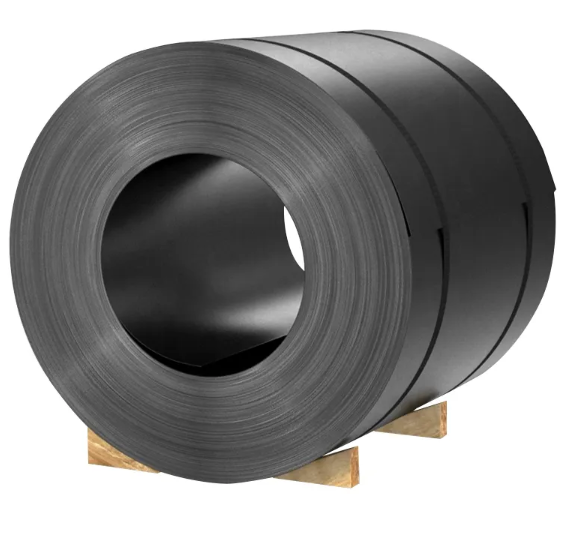
Controlling Moisture to Prevent Corrosion in Carbon Steel Coils
Maintaining relative humidity (RH) below 60% is critical to suppress electrochemical corrosion initiation in stored carbon steel coils. When ambient humidity exceeds this threshold, moisture rapidly adsorbs onto steel surfaces, forming the electrolyte layer necessary for corrosive reactions. Industry data indicates corrosion rates escalate by up to 300% when RH surpasses 70%.
Critical Relative Humidity Thresholds and Dew Point Management
Keeping storage temps at least 5 degrees Fahrenheit (about 3 Celsius) above the dew point is absolutely essential if we want to avoid condensation issues in bulk coil stock. For climate controlled warehouses, setting up ongoing relative humidity checks makes sense, especially when systems can send automatic warnings once RH hits 50% so staff knows to take action before problems develop. Installing good quality vapor barriers that don't let much moisture through on both floors and walls helps stop dampness coming up from below ground level where it might otherwise ruin inventory sitting on concrete pads.
Electrochemical Corrosion Mechanisms in High-Moisture Environments
When surfaces are soaked with moisture, differences in oxygen levels set up little electrochemical cells where iron starts to rust (Fe turning into Fe2+ plus electrons). These free electrons then go on to react with oxygen nearby, creating hydroxide ions (O2 combining with water and electrons becomes OH-). The whole thing speeds up like crazy if there's chloride contamination around, sometimes breaking down protective coatings in just a few weeks time. Getting fresh air moving through these areas helps cut down on those damp spots that stick around. Desiccant systems work differently by basically stealing moisture from the air, which stops the whole reaction chain before it can really get going.
Climate-Controlled Storage Solutions for Carbon Steel Coils
HVAC Design Best Practices for Indoor Carbon Steel Coil Warehouses
Keeping the environment tightly controlled matters a lot when it comes to preserving materials. Relative humidity needs to stay under 50% if we want to stop electrochemical corrosion from getting started. Good HVAC setups typically include heavy duty dehumidifiers that match the warehouse size, temperature zones that can adjust through different seasons, plus proper insulation around buildings to reduce heat transfer issues. Getting the system sizing right is critical too big units just waste energy while running in short bursts, and small ones simply can't handle sudden humidity increases. Energy recovery ventilators work wonders by preparing fresh air before it enters the space, which saves about 30% on operating expenses compared to standard ventilation methods. Don't forget regular cleaning either those drain pans, coils, and filters need attention to avoid mold growth that speeds up metal degradation over time.
Ventilation Strategies to Minimize Condensation and Air Stagnation
When air gets layered and pockets form in certain areas, this can lead to serious dew point problems. Good ventilation strategies often rely on ceiling mounted fans that move air slowly but steadily over all the coils. These fans prevent direct blasts of cold air which would otherwise cause spots where things get too cool and condense. The perimeter exhaust vents play their part by pushing out moist air whenever temperatures start changing rapidly. We see this happen most frequently in those tricky seasons of spring and fall when morning dew points might jump by more than 15 degrees Fahrenheit from day to night. Around loading docks, positive pressure systems work like shields against outside humidity creeping in. For monitoring purposes, sensors are strategically positioned in places prone to issues such as under the coils, at corners where walls meet, and between stacked equipment layers. These devices constantly send information back so fan speeds can be tweaked automatically as relative humidity climbs toward 45 percent, keeping conditions safe enough to avoid any corrosion risks down the line.
Physical Handling and Separation Protocols for Carbon Steel Coils
Optimal Spacing, Dunnage Materials, and Contact Corrosion Prevention
Leaving about 12 to 18 inches of space between carbon steel coils allows proper airflow and stops them from touching each other, which can cause galvanic corrosion problems. Using dunnage made from treated wood or polymer composites lifts the coils off concrete floors so they don't absorb moisture through capillary action. Concrete actually pulls water at pretty alarming rates, sometimes over 1.5 liters per square meter per day according to ASTM standards. When storing horizontally with the eye facing sideways, hardwood cradles help spread out the weight without any metal parts coming into contact. For vertical storage where the coil faces upward, we need those non-reactive polyethylene spacers between layers to keep things safe. These storage practices really cut down on crevice corrosion issues because when moisture gets trapped in tight spots, it speeds up rust formation by around three times faster than normal conditions, as noted in NACE IMPACT 2022 research. Before putting anything under the coils, check their pH levels too. Woods that are too alkaline (above pH 9) or composites that are too acidic (below pH 4.5) start breaking down metals surprisingly quickly once exposed, sometimes within just three days.
Supplemental Moisture Mitigation: Desiccants and Dry Storage Practices
Silica Gel vs. Calcium Chloride for Enclosed Carbon Steel Coil Bundles
Proper storage of carbon steel coils in enclosed areas needs the right desiccant to stop rust from forming due to moisture. Silica gel works well enough for most situations since it soaks up a decent amount of humidity without damaging metal if it touches by accident. This makes it a good choice when dealing with average levels of dampness in storage facilities. Calcium chloride on the other hand can pull out about three times as much moisture, which really helps in those super humid conditions we sometimes encounter. But there's a catch here folks need to remember containment matters because calcium chloride will actually eat away at steel if left unchecked. So when bundling coils together for long term storage, always check what kind of environment they'll be kept in first before deciding which drying agent to use.
- Silica gel works best in sealed packaging with consistent temperatures
- Calcium chloride suits large-volume storage but demands barrier separation
- Both require monitoring and replacement when saturation reaches 30% weight gain
| Desiccant | Moisture Capacity | Corrosion Risk | Best Application |
|---|---|---|---|
| Silica Gel | Moderate | Low | Sealed coil packaging |
| Calcium Chloride | High | High* | Ventilated bulk storage |
| *When direct contact occurs. |
Maintain relative humidity below 40% to preserve carbon steel coil integrity during extended storage.