
 EN
EN
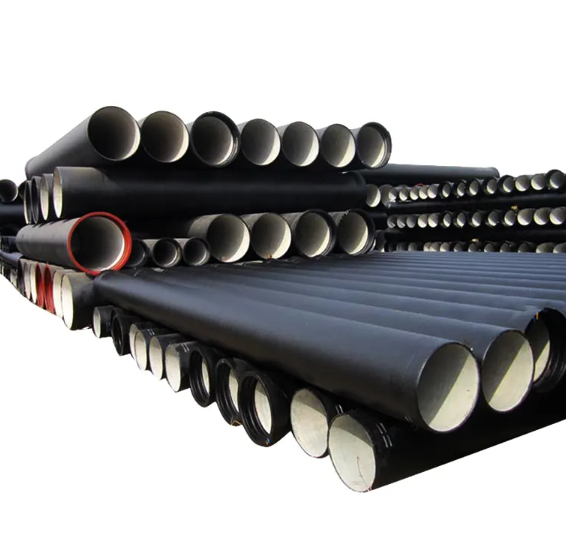
Long-Term Durability and Corrosion Resistance of Ductile Iron Pipe
How cement-mortar linings and polymer coatings enhance corrosion resistance in potable water
Cement mortar linings build an alkaline protective layer around pipes, typically around pH 12.5, which helps stop iron from corroding in drinking water systems. For underground installations facing harsh soil conditions and electrical interference, bonded polymer coatings like polyurethane or epoxy act as barriers that keep corrosive elements out. When combined, these two protection methods stop metals from leaching into the water supply, keeping tap water safe and meeting requirements set by both the EPA and World Health Organization. Tests across the industry show that ductile iron pipes with proper lining can last well beyond half a century even when exposed to tough environmental conditions. Compared to pipes without any internal protection, this approach removes the need for expensive cathodic protection systems, cutting down long term maintenance expenses by roughly 30 to 40 percent based on recent research into water infrastructure. Most importantly, the actual application follows strict guidelines outlined in AWWA standards C104 and C116, so contractors know they're getting consistent coverage and good bonding throughout the centrifugal coating process.
Real-world service life evidence: 100+ years of performance in legacy municipal systems
Ductile iron pipes from the early 1900s are still running strong throughout water systems worldwide, showing incredible staying power. Many old installations in big North American cities keep working just fine, and around three quarters of those original pipes are still there after getting some cement mortar lining work done. Water companies tell us their older systems built before 1950 have failure rates under half a percent each year, which is way better than plastic or other non metal pipes when we look at how long they last. Why do these pipes stick around so long? Well, first off, the material itself can bend a bit without breaking when the ground shifts. Second, those cement linings actually fix small cracks over time when damaged. And third, the joints don't move much even when pressure changes happen regularly. With modern improvements in how we make the metal, including better control over its structure and composition, engineers now expect these pipes to last over 120 years. Some existing systems have already been running non stop for more than a century. Given all this history, ductile iron remains the gold standard for anyone looking to invest in water infrastructure that will serve communities for generations.
Structural Performance: Pressure Capacity and Leak Prevention with Ductile Iron Pipe
Burst Pressure Margins and Compliance with ASTM A536 and ISO 2531 Hydrostatic Standards
Ductile iron pipes are known for their amazing structural strength thanks to how they're made at the molecular level. These pipes have a minimum tensile strength of around 60,000 psi and can handle yields up to 42,000 psi according to ASTM standards. What makes them special is the way the graphite forms nodules inside the metal matrix. This gives the pipes not just strength but also some flexibility, which means they can withstand pressures over 350 psi in normal setups. When pushed to breaking point, these pipes typically hold out at pressures 2.5 to 3 times what they normally operate under. Every single pipe goes through rigorous water pressure tests following ISO 2531 guidelines as well as ASTM requirements. The standard test involves holding 500 psi for ten whole seconds without any leaks showing up. Because of all this durability, the pipes can bend about 3 degrees between joints while still keeping their pressure seal intact. That's why engineers love using them in earthquake-prone areas or places where the ground tends to shift around over time.
Leak Rates Under Modern Installation Practices: Achieving <0.1% Annual Water Loss
The way we install ductile iron systems today has made leaks much less common compared to older methods. Systems now often include push-on joints with those special triple-seal rubber gaskets, along with well-designed restrained joints. These improvements mean actual leak rates stay under 0.1% each year, which is about 92% better than the old metal pipes put in place back in the 70s and 80s. Getting good results really depends on things like proper bedding with compacted gravel, making sure everything lines up straight using laser guides so there's no stress on specific spots, and applying those fusion coatings at joints to stop corrosion problems. Cities that switch to these modern techniques typically save around 1.2 million gallons of water per mile every year. That means less wasted water overall and significantly reduced costs for maintenance and repairs down the road.
Hydraulic Efficiency and Flow Reliability of Ductile Iron Pipe in Distribution Networks
Hazen-Williams C-factor analysis: ductile iron pipe (C=140–150) vs. PVC, concrete, and HDPE
The Hazen Williams C factor basically tells us how efficient water flows through pipes, where bigger numbers mean smoother insides and less friction as water moves along. Ductile iron pipes usually get ratings between 140 to 150 thanks to that tough cement mortar coating inside. This stuff really stands up to scaling issues, pits forming, and those pesky biofilms building up year after year. Concrete pipes aren't quite as good though, typically landing around 120 to 140 but getting worse over time because rust eats away at them and dirt builds up inside. New PVC and HDPE pipes look great initially with starting points around 150 to 160, but they tend to struggle in the long run. Chemicals can break them down, joints might come apart, and heavy loads can actually deform these plastic pipes, all of which means their actual performance drops below those initial impressive numbers as time goes on.
| Material | C-Factor Range | Long-Term Stability Risk Factors |
|---|---|---|
| Ductile Iron Pipe | 140–150 | Minimal (cement lining resists scaling) |
| PVC | 150–160 | Chemical degradation, joint failures |
| Concrete | 120–140 | Corrosion, biofilm accumulation |
| HDPE | 150–160 | Deformation under pressure |
For water distribution networks, ductile iron offers optimal balance—delivering 98% flow efficiency while maintaining predictable, stable hydraulics. Its resistance to turbulence-inducing pitting ensures consistent pressure delivery across municipal systems, unlike plastic alternatives that often require oversizing to compensate for future efficiency losses.
Lifecycle Value: Total Cost of Ownership for Ductile Iron Pipe vs. Alternatives
Looking at different materials for water infrastructure, the total cost of ownership tells a pretty clear story about ductile iron pipes being better economically in the long run. Sure, PVC might look cheaper upfront, but these iron pipes can last over 100 years when used in city applications, which means replacing them happens 40 to 60 percent less often than with plastic alternatives. The maintenance side is even more compelling. With their cement mortar lining and solid construction, ductile iron pipes need about 30% fewer repairs each year compared to steel ones, based on studies published in reputable pipeline journals. And let's not forget about corrosion problems. Municipal water systems actually see around 70% fewer emergency fixes with ductile iron compared to older concrete systems that tend to crack and fail unexpectedly. When we consider how well they handle water flow, their lasting power, the way they cut down leaks, and all the water saved from losses, it becomes obvious why lifecycle cost analysis keeps pointing toward ductile iron as the smartest choice for building water supplies that will support communities for decades to come.
Table of Contents
- Long-Term Durability and Corrosion Resistance of Ductile Iron Pipe
- Structural Performance: Pressure Capacity and Leak Prevention with Ductile Iron Pipe
- Hydraulic Efficiency and Flow Reliability of Ductile Iron Pipe in Distribution Networks
- Lifecycle Value: Total Cost of Ownership for Ductile Iron Pipe vs. Alternatives