
 EN
EN
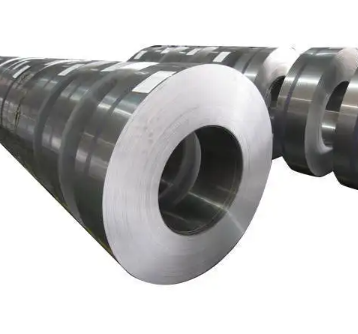
How the Galvanizing Process Creates a Durable Zinc Coating on Steel Coil
Hot-dip galvanizing: immersion, metallurgical bonding, and uniform zinc layer formation
When steel coil goes through hot dip galvanizing, it becomes resistant to corrosion after being submerged in molten zinc around 450 degrees Celsius or so. What happens here is different than just putting on a coat of paint or something similar. Instead, there forms these special intermetallic layers made of zinc and iron underneath what's basically a pure zinc surface layer. The chemical reaction creates this unique crystal pattern that actually sticks to the steel at an atomic level. Because of this strong connection, the coating stays put even when the metal gets bent, stamped, or exposed to extreme temperatures without peeling off like regular coatings might do.
Key steps include acid cleaning to remove mill scale and oxides, flux application to prevent premature oxidation, controlled immersion for full coverage, and air or water quenching to solidify the coating. Unlike paint or polymer coatings, this atomic-level integration ensures continuity across edges, holes, and complex geometries.
Key process variables affecting coating thickness and adhesion in galvanized steel coil production
Coating performance hinges on precise control of three interdependent variables:
- Immersion duration: Longer dips increase zinc-iron alloy growth but may compromise ductility if excessive; optimal time balances metallurgical development with final product flexibility.
- Withdrawal speed: Governs zinc drainage and thickness uniformity—too fast causes thin spots; too slow leads to uneven buildup and drips.
- Cooling rate: Water quenching locks in fine-grained microstructure for enhanced hardness; air cooling allows slower crystallization, improving formability for deep-drawing applications.
Maintaining bath temperature within ±5°C is critical for consistent alloy layer formation and predictable coating weight. Industry-standard inspections verify final coating mass—typically 50–300 g/m²—aligned with end-use requirements such as outdoor exposure, indoor architectural use, or structural framing.
Barrier Protection: How the Zinc Coating Shields Galvanized Steel Coil from Corrosive Elements
Physical isolation of steel substrate from moisture, oxygen, and salts
Zinc coatings form a solid barrier that keeps steel away from things like moisture, oxygen, CO2, and chloride ions. What makes them work so well is how they bond at the metal level, covering every nook and cranny including those tricky sharp edges and tiny surface irregularities where corrosion might start. This means there are no little gaps for chemical reactions to begin. Especially in places with lots of humidity or near the coast, this kind of protection stops iron from breaking down through what's called anodic dissolution, which is basically what causes rust. The good news is this protection starts working right away without needing any special activation.
Zinc carbonate patina: natural passivation enhancing long-term barrier performance
When exposed to air over time, zinc goes through a natural passivation process. The metal reacts with carbon dioxide and moisture from the atmosphere to create a stable, water resistant layer of zinc carbonate patina, which has the chemical formula Zn5(CO3)2(OH)6. What happens next is pretty interesting this protective layer actually cuts down on corrosion rates by around half when compared to new galvanized surfaces. And here's something else cool about it the patina can repair small scratches on its own as more carbonate continues to deposit onto damaged areas. For buildings located in typical city or countryside environments, this combination of base material protection plus the developing patina offers solid defense against weathering for many years without needing any kind of maintenance work. Most people are surprised just how long these coatings last way longer than what one might expect based solely on looking at the original coating thickness.
Sacrificial (Cathodic) Protection: The Self-Healing Power of Zinc in Galvanized Steel Coil
Electrochemical Principle: Zinc as Anode Protecting Steel Cathode
The electrochemical advantage of zinc lies at the heart of why galvanized coatings last so long. Zinc has a standard electrode potential around -0.76 volts, whereas steel sits at about +0.44 volts. Because of this difference, zinc acts as what's called a sacrificial anode whenever moisture and contaminants create an electrolytic cell. If the protective layer gets damaged somehow, say through cutting edges, scratches, or welding points, then the bare steel turns into a cathode while nearby zinc starts to corrode instead. This natural electrical process stops the iron from rusting, which keeps structures intact even when parts of the coating are missing. Research published in peer-reviewed journals shows these properties can make galvanized steel last anywhere from two to five times longer than regular steel exposed to similar weather conditions.
Real-World Resilience: Corrosion Resistance at Cut Edges, Scratches, and Weld Zones
Cathodic protection has this amazing ability to heal itself when damage occurs. When there are cuts or scratches on metal surfaces, the nearby zinc starts to corrode naturally, forming a protective layer of zinc carbonate that actually seals up those defects. This process also creates a small electrical current which helps stop corrosion from spreading further. Something special happens during welding too. Most regular coatings get ruined by the intense heat, but the zinc layer manages to work its way into the area affected by welding heat, so no extra coating is needed after the job is done. Industry tests over many years have measured corrosion rates at damaged spots averaging under half a millimeter per year. These results really back up how effective this combination of barrier protection and sacrificial action works, especially where conditions are tough and maintenance isn't always possible.