
 EN
EN
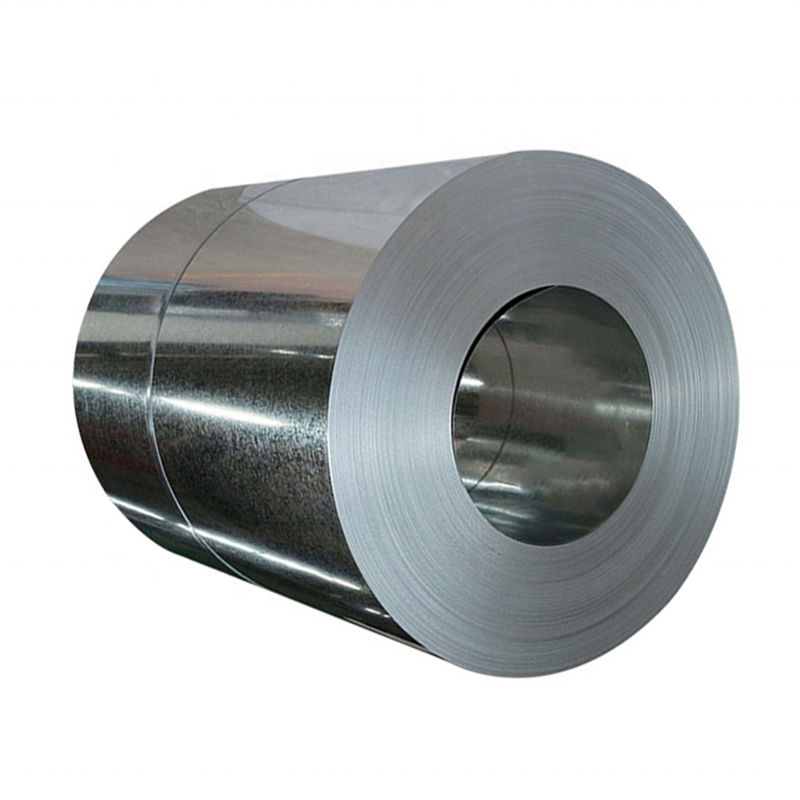
How Galvanized Steel Coil Resists Corrosion in Harsh Conditions
The zinc coating as a physical barrier against moisture and chemicals
The zinc coating on galvanized steel coils creates a protective barrier that stops the steel underneath from coming into contact with things that cause corrosion. These coatings usually measure around 45 to 85 microns thick according to ASTM standards, and they work really well at keeping moisture out. Field tests have shown these coatings can provide about 98% protection after being exposed for ten years. When we look at what happens during the hot dip galvanizing process, the alloy layers that form actually stand up better against sulfates, chlorides, and all sorts of industrial contaminants than regular paint jobs or polymer coatings ever could. This makes a big difference in environments where chemical exposure is common.
Sacrificial protection: how zinc acts as an anode to prevent rust
Zinc offers electrochemical protection because it acts as a sacrificial anode, oxidizing before steel does since zinc has a more negative electrode potential at around -1.05 volts compared to steel's -0.44 volts. Even when the coating gets scratched or damaged somehow, the zinc keeps protecting those exposed steel parts via what's called cathodic protection. Real world testing indicates that structures coated with zinc last anywhere from three to four times longer in coastal areas than ones without any coating at all. These galvanized structures maintain their structural integrity for many decades without needing much maintenance or repair work.
Comparison of untreated steel vs. galvanized steel in humid and corrosive environments
| Environment | Untreated Steel Rust Rate | Galvanized Steel Rust Rate | Service Life Extension |
|---|---|---|---|
| Industrial Coastal | 150 µm/year | 1.5 µm/year | 25–40 years |
| Tropical Humid | 80 µm/year | 0.8 µm/year | 15–25 years |
In chemical processing plants, galvanized steel reduces maintenance costs by 72% compared to painted alternatives, according to industry research (SSINA 2023).
Why high-strength steels are more vulnerable without galvanization
Advanced high-strength steels (AHSS) with yield strengths above 550 MPa are prone to accelerated corrosion due to micro-galvanic activity at grain boundaries when exposed to moisture. These alloys corrode 40% faster than mild steel under identical conditions. However, galvanization preserves their structural advantages while effectively shielding them from environmental degradation.
Performance of Galvanized Steel Coil in Marine and Coastal Environments
Challenges of Saltwater Exposure and How Galvanized Steel Responds
When it comes to rust problems, salt water is way worse than fresh water. The reason? Chloride ions in seawater actually break down those protective oxide layers that form naturally on steel surfaces. This makes corrosion happen about ten times quicker in coastal areas compared to inland locations. Galvanized steel offers protection against this issue thanks to its thick zinc coating. Studies from NACE in 2023 show these coatings only wear away at less than one micrometer per year even when exposed to harsh marine conditions. What happens here is pretty clever actually the zinc layer basically gives up its own material before corrosive elements can get to the actual steel underneath. As a result, structures made with galvanized steel last anywhere between forty to seventy years right along tide lines where regular steel would fail much sooner.
Case Study: Offshore Platforms Using Galvanized Steel Coil Components
In 2018, an offshore drilling platform in the North Sea decided to go with galvanized steel for their walkways and support brackets instead of the usual options. Fast forward five years later, after constant exposure to harsh salt air conditions, these galvanized components had lost just 12 micrometers of zinc coating. That's actually about 30 percent better than what they would have seen with powder coated materials. Looking at maintenance logs from the site, operators noticed real money saved too. The platform ended up spending around $18k less each year on repairs compared to when they used regular untreated steel parts before making the switch.
Long-Term Durability in High Humidity, Salt Laden Coastal Atmospheres
Galvanized steel coil retains 85% structural integrity after 25 years in coastal climates characterized by:
| Factor | Performance Metric |
|---|---|
| Relative humidity | 80–95% sustained (no coating delamination) |
| Salt deposition rate | 1,200–1,500 mg/m²/day (zinc consumption <25 µm/year) |
This resilience stems from the tightly bonded zinc-iron alloy layers formed during hot-dip galvanizing, which adhere 3–5× better than electroplated coatings, per ASTM A123-21 standards.
Lifespan Under Continuous Exposure to Industrial Pollutants and Chemicals
Galvanized steel coils can handle long term exposure to things like airborne acids, alkalis, and sulfur compounds because they have this thick layer of zinc iron alloy acting as protection. Tests done by third parties indicate these coils last around 35 years when used in tough industrial areas like petrochemical plants or wastewater treatment centers. That's actually about three to five times longer than regular steel would last under similar conditions. What makes them so durable is their ability to balance out pH levels ranging from 4 all the way up to 12.5. Plus, they stand up pretty well against wear and tear caused by dust particles that float around in most manufacturing environments.
Service Life Extension Achieved Through Hot-Dip Galvanizing: Data Insights
Hot-dip galvanizing produces significantly thicker and more durable coatings than electro-galvanizing:
| Metric | Hot-Dip Galvanizing | Electro-Galvanizing |
|---|---|---|
| Coating Thickness | 90–150 µm | 5–25 µm |
| Salt Spray Resistance | 1,500+ hours | 240–480 hours |
| Typical Industrial Lifespan | 30–50 years | 8–15 years |
Field evidence from chemical processing facilities confirms 72% lower replacement costs over 25 years when using hot-dip galvanized versus painted carbon steel.
Coating Adhesion and Thickness: Key Factors for Long-Term Performance
To ensure good longevity, zinc coatings need to satisfy ASTM A123 standards, specifically requiring a minimum of 610 grams per square meter for steel under 5 millimeters thick. When it comes to adhesion quality, the DIN 50948 bend and impact tests are crucial indicators. These tests show whether the coating will hold up against flaking when exposed to extreme temperature changes ranging from minus 40 degrees Celsius all the way up to 200 degrees Celsius. In real world conditions, properly applied zinc coatings generally maintain around 85% coverage even after sitting in harsh industrial environments classified as ISO 9223 Class III for twenty whole years. That kind of performance makes them a reliable choice for many applications where corrosion protection is essential.
Hot-Dip Galvanizing Process and Its Impact on Material Selection
Overview of the hot-dip galvanizing process and its advantages
Hot dip galvanizing works by putting clean steel into liquid zinc around 450 degrees Celsius, which creates those strong zinc iron alloy layers we all know about. A recent study from materials science folks back in 2024 pointed out how important certain steps are for getting good adhesion on the coating. They mentioned things like cleaning with caustic solutions first, then applying flux, and making sure the cooling happens just right. What this process gives us is coatings that are roughly three to five times thicker than what comes out of electrogalvanizing processes. And because of that thickness, structures treated this way can last outside for over a century sometimes, while regular untreated steel might only make it twenty to thirty years before rust sets in. The reason why hot dip galvanizing stands out so much is because it offers two forms of protection at once barrier protection plus cathodic protection. That combination makes it really suitable for things like bridges, highway signs, and other infrastructure that gets hit by rainwater, salty air near coasts, or industrial chemicals.
Pre-galvanized vs. post-galvanized steel: pros and cons in construction use
Steel coils that get their zinc coating right at the factory through continuous sheet galvanizing end up with pretty even thickness across the whole surface, which works great for things like roofs and building exteriors. But here's the catch – when these sheets get cut, those fresh edges don't have any protection left, making them susceptible to rusting especially bad in places where there's lots of moisture or salt air. That's why some manufacturers opt for post-galvanizing instead. After putting together all the parts, they dunk everything into molten zinc, covering every nook including those tricky weld points and connection areas. The zinc layer ends up being around 85 microns thick, giving much better protection. Sure, this method costs about 25 percent more upfront compared to regular galvanizing, but engineers who study corrosion problems report that structures treated this way need way less maintenance over time. Bridges and big towers built with hot dip galvanized parts typically save around 70 percent on repair bills throughout their lifespan according to industry studies.
Key Applications of Galvanized Steel Coil in Construction and Infrastructure
Use in Roofing, Cladding, and Structural Framing for Corrosion Resistance
Galvanized steel coils have become pretty much standard in today's construction projects because they're strong and resist rusting over time. The protective zinc coating stands up to all sorts of stuff like dampness, sunlight damage, pollution from factories, even salt air near coastlines. That makes these coils really good choices when building roofs or walls that need lasting protection. According to market reports looking ahead to around 2035, folks expect the galvanized steel business to hit about 57 point 2 billion dollars worldwide. Builders just keep needing materials that won't fall apart after a few years. We see them everywhere now - on factory buildings, commercial warehouses, residential homes too. The versatility of galvanized steel means it keeps showing up in new applications as well.
- Metal roofing: Resists weathering and maintains integrity for over 50 years
- Wall cladding: Withstands chemical exposure in industrial buildings
- Structural beams: Provides reliable support in high-humidity environments like warehouses
The hot-dip process ensures consistent coating adhesion, preventing rust even at fastener points where moisture typically initiates corrosion in untreated steel.
Real-World Examples: Bridges and Transmission Towers in Coastal Regions
Saltwater constantly attacks coastal infrastructure, which is why galvanized steel has become so important for these applications. Take transmission towers located in areas prone to hurricanes for instance they need those galvanized parts to stand up against both the relentless salt air and the punishing forces from high winds during storms. Look at bridges built across tidal estuaries too. These structures last anywhere from two to four times longer when made with galvanized materials instead of just paint, and this translates into about 60 percent savings on maintenance according to Ponemon's research from 2023. Field reports from grid operators working along coastlines show something even more impressive: their galvanized transmission systems require roughly ninety percent fewer fixes related to corrosion after fifteen years of operation. This speaks volumes about how dependable and economically smart galvanization really is when dealing with harsh marine conditions day after day.
FAQs on Galvanized Steel Coils
What is the main advantage of using galvanized steel over untreated steel?
Galvanized steel offers increased durability and resistance to corrosion, which extends the service life of structures, especially in harsh environments.
How does the zinc coating protect steel from corrosion?
The zinc coating acts as a physical barrier to prevent exposure to moisture and chemicals. Additionally, it offers sacrificial protection by acting as a sacrificial anode.
Why is galvanized steel preferred in coastal and industrial environments?
In these environments, galvanized steel withstands the harsh conditions posed by saltwater and industrial chemicals better than untreated steel, resulting in lower maintenance costs and longer service life.
What are the key applications of galvanized steel in construction?
Galvanized steel is widely used in roofing, cladding, structural framing, bridges, and transmission towers, especially in areas exposed to high humidity or corrosive substances.
Table of Contents
- How Galvanized Steel Coil Resists Corrosion in Harsh Conditions
-
Performance of Galvanized Steel Coil in Marine and Coastal Environments
- Challenges of Saltwater Exposure and How Galvanized Steel Responds
- Case Study: Offshore Platforms Using Galvanized Steel Coil Components
- Long-Term Durability in High Humidity, Salt Laden Coastal Atmospheres
- Lifespan Under Continuous Exposure to Industrial Pollutants and Chemicals
- Service Life Extension Achieved Through Hot-Dip Galvanizing: Data Insights
- Coating Adhesion and Thickness: Key Factors for Long-Term Performance
- Hot-Dip Galvanizing Process and Its Impact on Material Selection
- Key Applications of Galvanized Steel Coil in Construction and Infrastructure
- FAQs on Galvanized Steel Coils