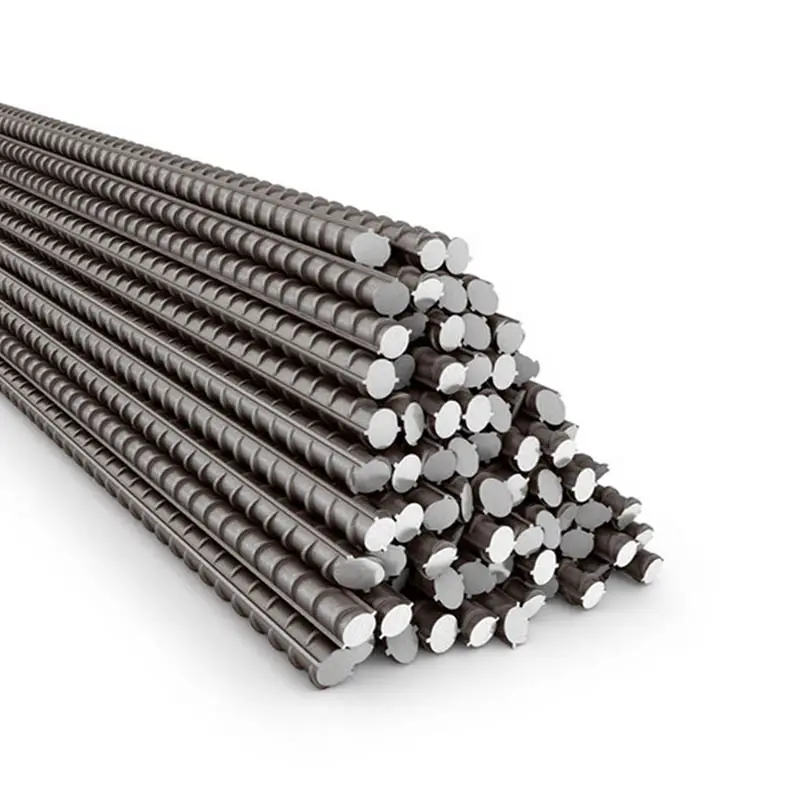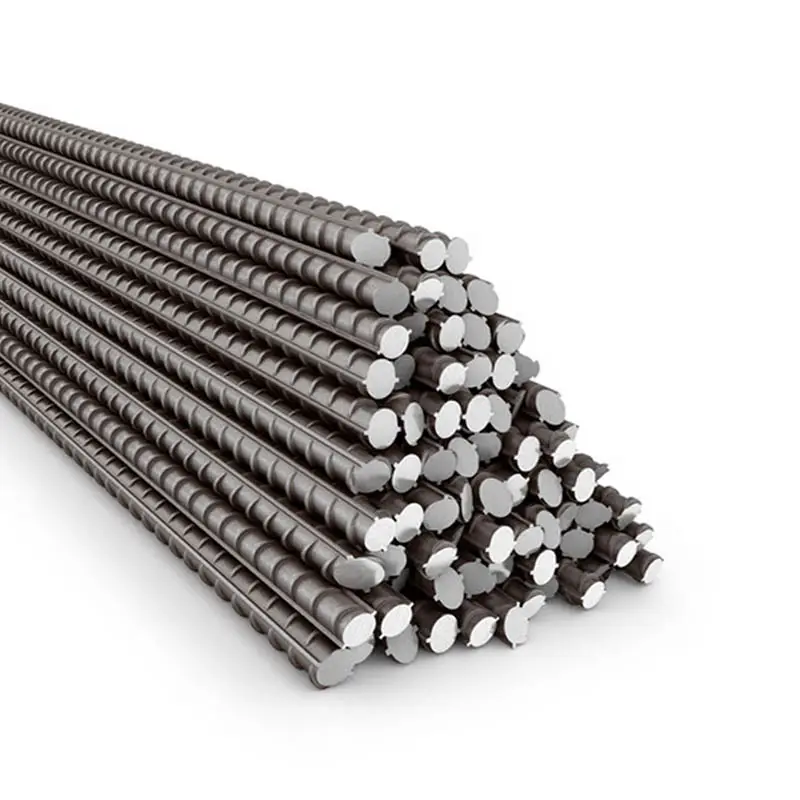

Hot rolled deformed steel bar prices are influenced by multiple factors, reflecting market dynamics, raw material costs, and production expenses. The primary cost driver is the price of iron ore, a key raw material, which fluctuates with global supply and demand, geopolitical factors, and currency exchange rates. Energy costs for heating and rolling processes also impact prices, as does the cost of scrap metal in recycling based production. Market demand, driven by construction activity in regions like Asia, Africa, and North America, affects supply and pricing—high demand during construction booms typically raises prices, while oversupply can lead to discounts. Manufacturer efficiency, including economies of scale, production technology, and logistics, plays a role—larger producers with modern facilities can offer more competitive prices. Bar size and grade also influence cost: larger diameters (e.g., 32mm) and higher strengths (e.g., HRB500) are more expensive due to increased material usage and processing complexity. Additional treatments, such as anti corrosion coatings or special rib designs, can add to the price. Regional factors like import/export duties, transportation costs, and local regulations (e.g., steel tariffs) affect final prices for buyers. Price transparency is available through industry reports and online platforms, which track average market prices for standard grades and sizes (e.g., 20mm HRB400). Buyers can leverage bulk orders, long term contracts, or strategic sourcing to negotiate better prices, while monitoring market trends to optimize procurement timing. Understanding these factors helps stakeholders make informed decisions in a volatile steel market.