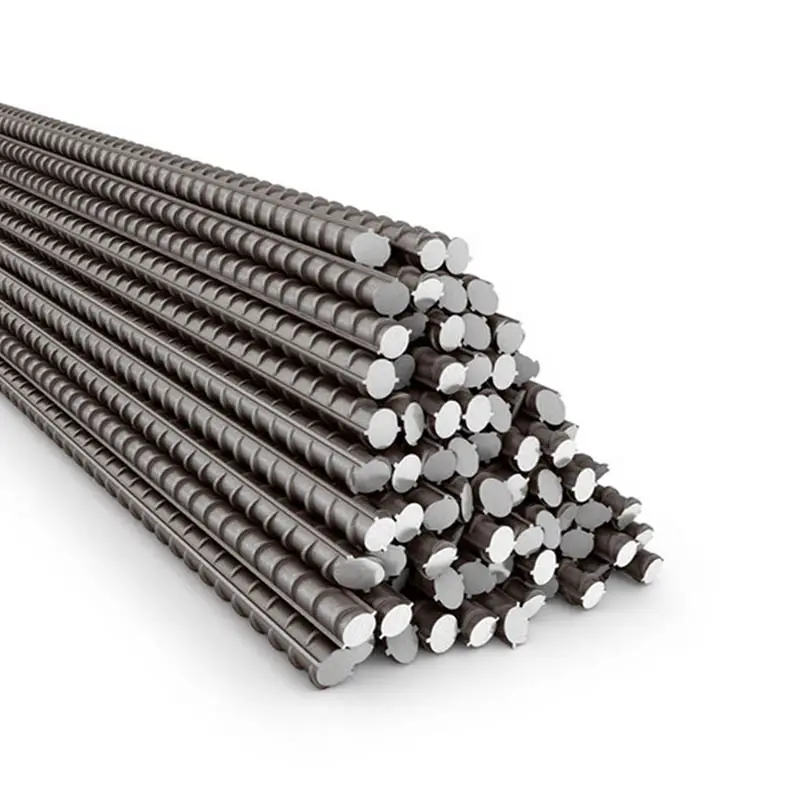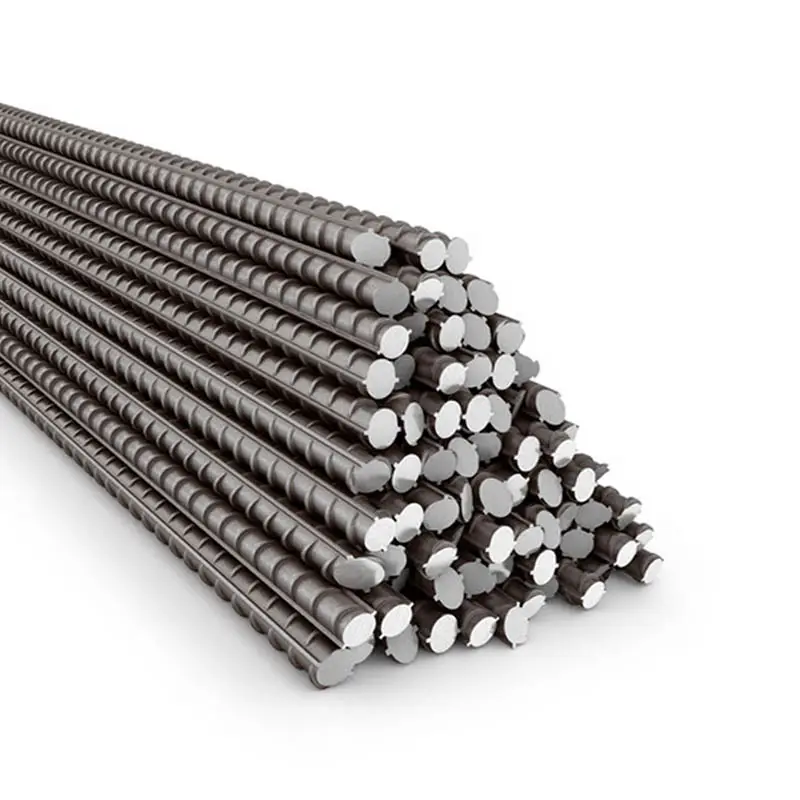

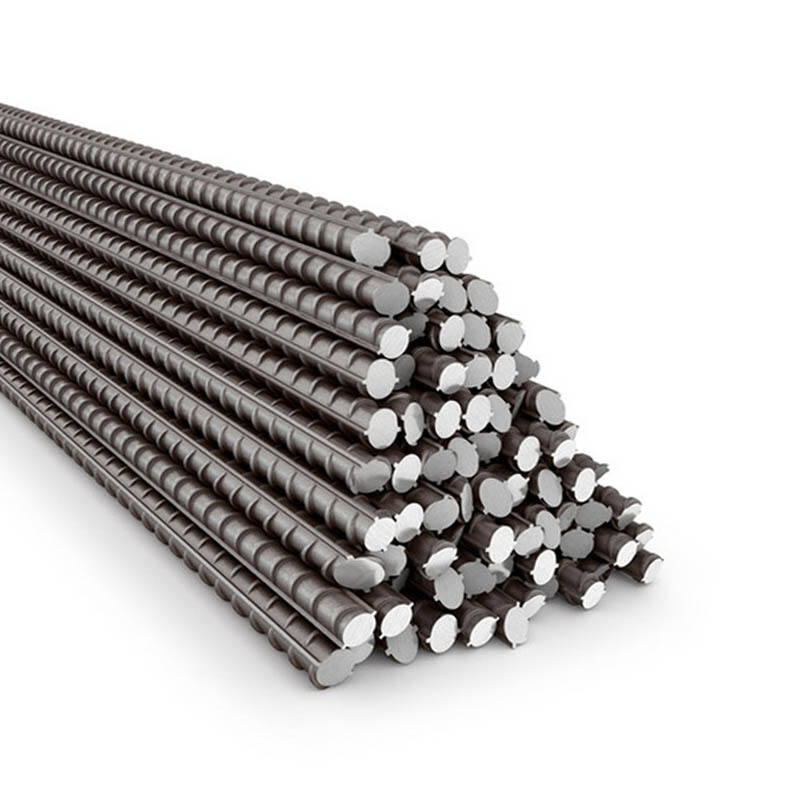
Bridge construction deformed steel bars are specialized reinforcement materials designed to meet the rigorous demands of bridge structures, which require high strength, durability, and fatigue resistance. Bridges are subjected to dynamic loads (traffic, wind), environmental factors (temperature changes, corrosion), and structural stresses, necessitating steel bars with superior mechanical properties. Commonly used grades include HRB500 (yield strength ≥500 MPa) and equivalent international standards, offering higher tensile strength and better ductility than lower grades. The ribbed surface is optimized for strong bonding with concrete, crucial for load transfer in composite bridge decks, piers, and abutments. Specialized bars may feature epoxy coatings to resist chloride induced corrosion in coastal or de iced environments, or weathering steel alloys to form a protective oxide layer. Pre stressed deformed bars are also used in pre stressed concrete bridges, subjected to initial tension to counteract tensile stresses during service. Manufacturing processes for bridge bars include precise control of chemical composition (e.g., low sulfur and phosphorus to prevent brittleness) and heat treatment to enhance fatigue resistance, with strict quality control testing for tensile, bend, and impact properties. Installation requires careful detailing, with reinforcement cages designed to withstand dynamic loads and arranged to avoid stress concentrations. Bridge projects often specify third party inspections and certifications (e.g., CE, ASTM) to ensure material compliance with safety codes. The longevity and reliability of bridge construction depend heavily on the quality of deformed steel bars, making them a critical component in ensuring bridge safety and service life for decades.