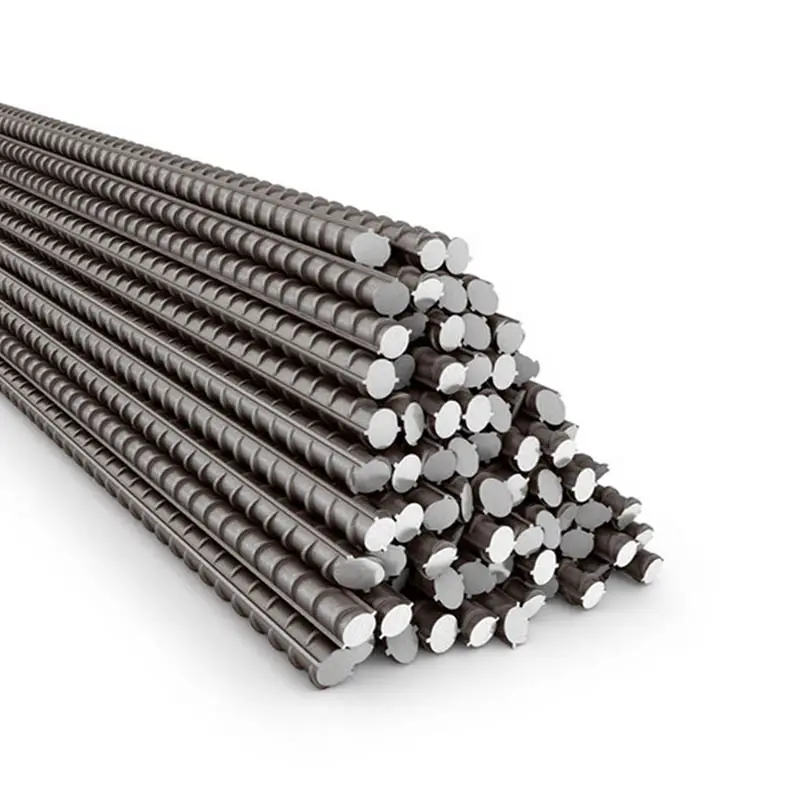

Competitive price deformed steel bars offer a balance of affordability and quality, appealing to cost conscious construction projects without compromising structural safety. Achieving competitive pricing involves optimizing raw material sourcing, production efficiency, and supply chain management. Suppliers may source iron ore and scrap metal from low cost regions, utilize energy efficient rolling mills, and adopt lean manufacturing practices to reduce production costs. Economies of scale from large volume production also contribute to lower unit prices, allowing suppliers to offer discounts for bulk orders. While price is a key factor, reputable suppliers ensure their products meet relevant standards (e.g., ASTM, BS, GB) for mechanical properties (yield strength, tensile strength, elongation) and chemical composition, often providing third party test reports for verification. Competitive pricing strategies may include transparent pricing models, eliminating hidden costs, and offering flexible payment terms or logistics solutions to further reduce customer expenses. Such products are ideal for projects with budget constraints, such as affordable housing, small infrastructure, or developing market constructions, where cost efficiency is critical. However, buyers should verify supplier credentials and product quality to avoid compromising on safety. Suppliers of competitive price bars often maintain diverse inventories of standard sizes (10mm to 32mm) and grades (HRB400, HRB500) to cater to various needs, and may offer customization for special projects while maintaining price competitiveness. This combination of affordability and reliability makes them a popular choice in price sensitive markets.