
 EN
EN
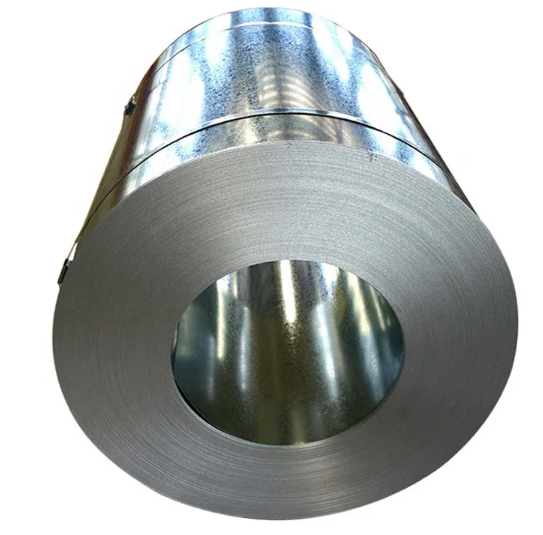
Galvanized Steel Coil Corrosion Resistance: Mechanisms and Standards
Zinc as a Dual-Action Protective Layer: Barrier + Sacrificial Functions
Steel coils coated with zinc fight off rust in two main ways. The first defense is pretty straightforward actually. Zinc creates a thick layer that sits right on top of the steel surface, keeping out water, air, and all sorts of nasty stuff floating around in the atmosphere. But there's another trick too. When something scratches through the zinc coating, which happens sometimes obviously, the zinc still protects what's underneath. This works because zinc has different chemical properties than steel does. Instead of letting the steel rust away, the zinc basically takes the hit for it. Pretty clever if you think about it. Industry tests from NACE International last year showed these double protection methods make galvanized steel last way longer than regular coatings. Factories using this stuff report their equipment stays good for maybe 40 to 50 percent longer before needing replacement, which saves money in the long run.
ASTM A653/A924 Compliance: Coating Mass, Thickness, and Performance Benchmarks for Galvanized Steel Coil
ASTM A653 and A924 establish mandatory quality benchmarks for galvanized steel coil, defining minimum zinc coating mass—expressed in ounces per square foot (oz/ft²) or grams per square meter (g/m²)—which directly governs corrosion resistance and longevity:
| Coating Designation | Min. Zinc Mass | Equivalent Thickness | Service Life Expectancy |
|---|---|---|---|
| G90 (ASTM A653) | 0.90 oz/ft² | ~20 µm | 15–20 years (rural) |
| Class 55 (ASTM A924) | — | ≥45 µm | 25+ years (coastal) |
Coils meeting Class 55 thickness requirements show 30% less red rust after two decades in coastal installations, according to field data from the American Galvanizers Association. Both standards also require salt spray resistance of at least 1,000 hours without base metal corrosion—validating performance under accelerated corrosive conditions.
Real-World Durability of Galvanized Steel Coil Across Exposure Environments
Industrial vs. Coastal vs. Rural: Comparative Degradation Rates and Service Life Predictions
How well materials perform really depends on where they're installed. Take coastal regions for instance. The salty air mixed with constant moisture there eats away at zinc coatings much quicker than what happens in typical countryside locations. Some studies show coastal corrosion rates can be as much as three times higher. Factories and industrial areas present different challenges altogether. These places throw out all sorts of acidic stuff including sulfur dioxide which gradually wears down surfaces over time. But out in rural spots where there's not so much salt or pollution floating around, materials tend to last longer without showing signs of wear. When looking at how long something will last before needing replacement, two main factors come into play coating thickness and what kind of environment it faces daily.
- Coastal: 15–25 years (requires ≥45 µm zinc)
- Industrial: 25–40 years
- Rural: 50+ years
Measured zinc loss rates reflect this gradient: up to 7.5 µm/year in marine environments versus just 1.2 µm/year inland. Accurate environmental classification during specification is essential to avoid premature failure.
Long-Term Validation: 25-Year Field Data from ASTM C1658 Bridge Deck Applications
The long term performance in the field shows just how reliable galvanized steel coils really are when used in tough infrastructure projects. Take bridge decks for instance. These were tested according to ASTM C1658 standards right along those super corrosive coastal areas where saltwater constantly attacks materials. After twenty five whole years of being blasted by ocean spray and treated with road salts during winter months, these structures still had less than half a millimeter of actual metal loss. Pretty impressive considering what they went through! The structural integrity stayed completely sound throughout this time period too. What's even better is that the rate at which corrosion happened was actually cut down by almost ninety percent compared to regular steel without any coating protection. All this real world evidence points clearly to one thing: following the ASTM A653 guidelines regarding coating thickness makes all the difference in ensuring buildings and bridges last decades longer exactly where we need them to stand strong.
Critical Failure Modes and Best Practices for Galvanized Steel Coil Installation
Galvanic Corrosion Risks: Stainless Fasteners, Aluminum Contact, and Mitigation Strategies
Contact with dissimilar metals—especially stainless steel fasteners or aluminum components—triggers galvanic corrosion, accelerating zinc depletion. In such couplings, zinc becomes the anode and corrodes rapidly to protect the more noble cathode. ASTM G82 notes corrosion rates can increase tenfold in unmitigated scenarios. Effective prevention includes:
- Electrically isolating metals using non-conductive gaskets or washers
- Sealing joints with moisture-resistant sealants to disrupt electrolyte pathways
- Specifying zinc-coated fasteners matched to the coil’s galvanizing class
These measures preserve coating integrity and prevent localized failure in mixed-metal assemblies.
Coating Integrity Thresholds: Why ≥45 µm Zinc Is Essential for Moderate-to-Harsh Exposure
A minimum 45 µm zinc coating is not merely recommended—it is functionally necessary for reliable performance in coastal or industrial environments. This threshold ensures:
- Full substrate coverage during roll-forming and fabrication
- Sufficient sacrificial reserve to heal scratches and resist pinhole corrosion
- Conformance with ASTM A123/A123M for structural applications
Below 45 µm, zinc depletion can expose bare steel within 5–7 years under harsh conditions; compliant coatings reliably exceed 25 years of service. Thinner layers risk early breakdown due to abrasion, edge thinning, or inconsistent coverage—compromising both barrier and sacrificial functions.