
 EN
EN
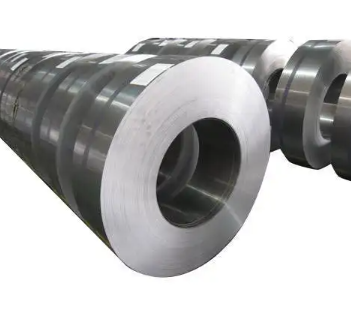
Coating Type and Its Direct Impact on Color Coated Steel Coil Lifespan
What kind of resin coating gets applied makes all the difference when it comes to how well a color coated steel coil stands up against weather damage and lasts over time. Three main options stand out based on extensive testing both in lab conditions and actual installations: polyvinylidene fluoride (PVDF), silicone modified polyester (SMP), and regular polyester (PE). PVDF is pretty much the gold standard here because it handles UV rays so well and doesn't react chemically with most substances. We've seen these last anywhere from 25 years or more before showing signs of wear like chalkiness or losing their original color. Then there's SMP which sits somewhere between budget friendly and durable. These coatings generally hold up for around 15 to 20 years and they bend better without cracking compared to others. For projects where money matters more than longevity, standard PE coatings work fine for temporary or mid term needs lasting about 7 to 10 years. But watch out if they'll be exposed to lots of sunlight since these tend to fade faster than the other types.
PVDF, SMP, and PE: Expected Service Life Under Standard Conditions
| Coating Type | Lifespan Range | Primary Strengths |
|---|---|---|
| PVDF | 25+ years | UV resistance, chemical inertness |
| SMP | 15–20 years | Flexibility, cost efficiency |
| PE | 7–10 years | Economic viability |
The reason for these material differences lies in their molecular makeup. PVDF has those tough fluorine-carbon bonds that basically stand up to sunlight damage better than most materials. On the flip side, PE resins just don't hold up as well when exposed to prolonged sun exposure. Smart manufacturers know this and work hard to tweak their formulas. They throw in UV absorbers to slow down the inevitable breakdown process. Then there are these things called HALS stabilizers that help keep surfaces looking shiny instead of dull and faded. And let's not forget about the special pigment mixes they engineer specifically to maintain vibrant colors even after years outside in the elements.
Color Stability Over Time: Delta E Metrics and Real-World Fading Patterns
We measure color changes using something called Delta E or ΔE values. When ΔE stays below 1, most people won't notice any difference at all. But once it goes above 5, the color change becomes pretty obvious to anyone looking at it. Tests show that PVDF coatings usually stay around ΔE less than 3 even after sitting out in Florida's harsh sun for a decade. That kind of weathering test sets the standard for what counts as really tough UV exposure. On the other hand, PE coatings tend to degrade much faster. Many start showing ΔE readings over 8 within just five years when exposed to desert conditions where sunlight is relentless. Field data from actual installations backs up these lab results, giving manufacturers clear guidance on which materials perform best under different environmental stresses.
- South-facing vertical panels show 45% less fading than horizontal installations due to reduced direct solar dwell time and better self-cleaning via rain runoff
- Light-colored finishes reflect more infrared (IR) radiation, lowering surface temperatures and reducing thermal stress on polymer chains
- Coastal installations accelerate chalk formation through salt-assisted hydrolysis, where chloride ions catalyze moisture-driven polymer chain scission
Environmental Exposure: How Location Dictates Color Coated Steel Coil Durability
Coastal, Industrial, and Indoor Environments – Corrosion Rates and ISO/ASTM Validation
How long color coated steel coils last really depends on where they're installed because different places have their own corrosion problems. Take coastal areas for instance salt in the air makes things corrode much faster. Research shows that in these salty environments, the corrosion rate can actually be three times higher than what we see inland according to those ISO standards. Then there are industrial areas where all sorts of bad stuff floats around in the atmosphere. Sulfur dioxide mixes with moisture from the air and creates corrosive chemicals that find their way into tiny cracks in the coating. Testing under ASTM B117 conditions has shown that special industrial grade coils hold up better than regular ones by about 30 percent when exposed to these harsh conditions. On the flip side, inside buildings is totally different. The humidity stays pretty constant, no sunlight damage occurs, and there aren't many pollutants floating around. Because of this controlled environment, these coils can often last well over 30 years before needing replacement.
Substrate Matters: PPGI vs. PPGL Zinc-Aluminum Alloy Influence on Underfilm Corrosion
Underfilm corrosion, which spreads laterally beneath coatings that are otherwise intact, depends a lot on what kind of material lies underneath. PPGI or pre-painted galvanized iron works only because zinc offers sacrificial protection. But when there are cuts or scratches, especially in places where moisture hangs around like near coasts or in industrial areas, red rust starts showing up pretty quickly. On the other hand, PPGL or pre-painted galvalume contains a mix of zinc and aluminum, about 55% zinc and 45% aluminum according to specs. This combination creates those thick aluminum oxide layers that actually heal themselves over time. Testing done under ASTM G85 standards indicates something interesting happens here. The alloy seems to slow down that underfilm corrosion process by roughly 40%, while also cutting back on how much zinc gets consumed as it protects itself. As a result, coils made with this stuff tend to last anywhere from 5 to 8 extra years even when exposed to harsh conditions.
Key Degradation Drivers: UV Radiation, Moisture, and Thermal Stress on Color Coated Steel Coil
Color coated steel coils degrade mainly because of three factors working against them over time: ultraviolet light from the sun, water getting underneath the surface, and temperature changes happening again and again. When UV rays hit these materials, they start breaking down the polymers that hold everything together, especially noticeable in darker colors where we see fading and a chalky texture forming on the surface. Research shows that after about five years in strong sunlight conditions, most people can spot color differences that measure around three units or more on standard testing scales. Water finding its way through cracks or damaged areas leads to corrosion beneath the protective layer, which is why cut edges tend to be problem spots. And then there's the constant heating and cooling cycle, typically when temperatures swing by at least 50 degrees Celsius or more between day and night. This back and forth expansion causes tiny cracks to form as different parts of the material expand at slightly different rates, eventually compromising the integrity of the coating system.
Accelerated lab tests like QUV UV and xenon arc weatherometers can simulate what materials would experience over decades in just a few thousand hours testing time, roughly matching around ten years out in the real world. But these methods tend to miss how different factors work together to cause damage since they test each variable separately instead of looking at multiple stresses happening at once. Coastal field studies show something interesting though: when salt, moisture and UV light combine, materials fail about 40 percent faster compared to similar ones inland. Take thermal expansion for instance. The constant heating and cooling creates tiny cracks that let water in, and this water expands when it freezes, causing even more damage. This whole chain reaction doesn't really happen inside standard QUV testing chambers.
| Degradation Factor | Laboratory Simulation | Real-World Impact |
|---|---|---|
| UV Radiation | Xenon arc weatherometer | Binder degradation – fading/chalking |
| Moisture | Condensation cycles | Underfilm corrosion – blistering |
| Thermal Stress | Temperature cycling | Microcracking – adhesion loss |
Accelerated Weathering (QUV/Xenon) vs. Field Performance: Bridging the 10-Year Gap
This gap arises because accelerated tests isolate variables, whereas field conditions subject materials to concurrent stressors. For instance, daily thermal flexing opens micro-fissures that admit moisture, which then expands during freeze-thaw cycles—a failure sequence rarely replicated in QUV chambers.
Coating Thickness Optimization: Thresholds, Diminishing Returns, and Best Practices for Longevity
Target Dry Film Thickness Ranges by Resin Type (PE, SMP, PVDF)
Optimizing Dry Film Thickness (DFT) is critical for maximizing the lifespan of color coated steel coil. Industry standards specify distinct DFT ranges for common resin systems:
- Polyester (PE): 20–25 µm provides balanced cost–performance
- Silicone Modified Polyester (SMP): 25–30 µm enhances UV resistance and durability
- Polyvinylidene Fluoride (PVDF): 18–22 µm maintains optimal flexibility without compromising protection
Going beyond certain limits just isn't worth it anymore. Coatings over 35 microns start costing companies around 15 to 22 percent extra for materials but don't really last much longer. On the flip side, when dry film thickness drops below 15 microns, corrosion problems pop up four times faster in places near saltwater. Real world testing shows that properly coated components can handle two to three times as many temperature changes before breaking down compared to those outside the sweet spot range. For manufacturers looking to get the most out of their coatings, checking thickness regularly with good quality magnetic gauges makes sense. Adjusting spray settings and keeping measurements within plus or minus three microns is pretty standard practice across the industry these days.
Frequently Asked Questions (FAQ)
What are the primary types of coatings used in color coated steel coils?
The primary types of coatings are Polyvinylidene Fluoride (PVDF), Silicone Modified Polyester (SMP), and regular Polyester (PE). Each has varying degrees of durability and UV resistance.
How does location affect the durability of color coated steel coils?
The environment plays a significant role in the durability of color coated steel coils. Coastal areas with salt in the air have higher corrosion rates, while industrial areas face different chemical exposures. Indoor environments generally offer extended longevity due to controlled conditions.
Why is optimizing dry film thickness (DFT) important?
Optimal DFT ensures the longevity and durability of the coating. It balances the cost and performance, with specific thickness ranges offering maximum protection without unnecessary cost increases.
How is color stability measured over time for these coatings?
Color stability is measured using Delta E (ΔE) metrics, with lower values indicating minimal color change and higher values showing more noticeable fading.
What causes underfilm corrosion in steel coils?
Underfilm corrosion is influenced by the substrate material, such as PPGI or PPGL. Factors like moisture, salt, and environmental pollutants contribute to the corrosion process.
Table of Contents
- Coating Type and Its Direct Impact on Color Coated Steel Coil Lifespan
- Key Degradation Drivers: UV Radiation, Moisture, and Thermal Stress on Color Coated Steel Coil
- Coating Thickness Optimization: Thresholds, Diminishing Returns, and Best Practices for Longevity
-
Frequently Asked Questions (FAQ)
- What are the primary types of coatings used in color coated steel coils?
- How does location affect the durability of color coated steel coils?
- Why is optimizing dry film thickness (DFT) important?
- How is color stability measured over time for these coatings?
- What causes underfilm corrosion in steel coils?