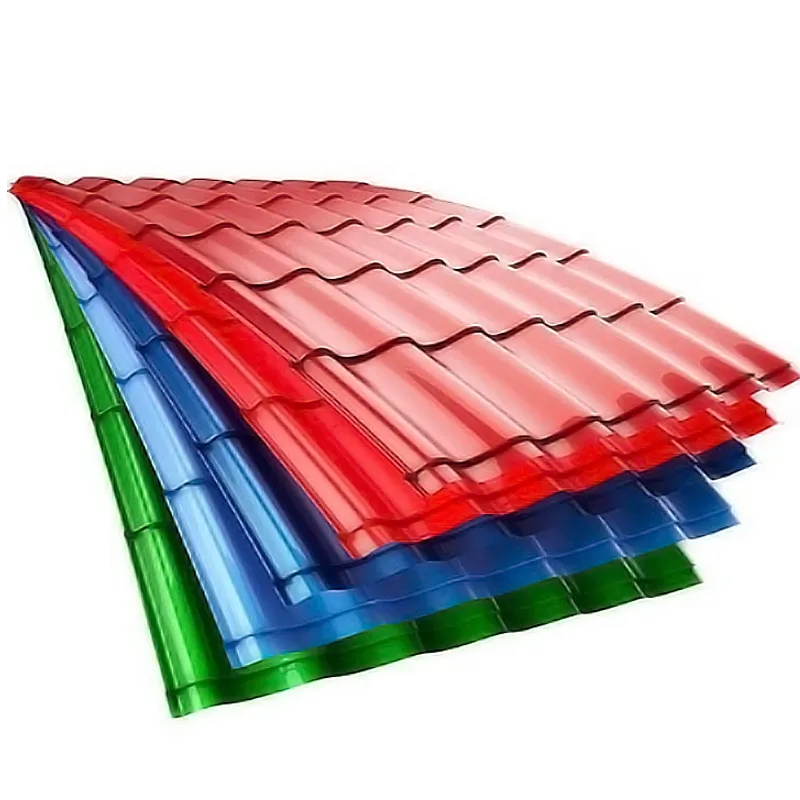
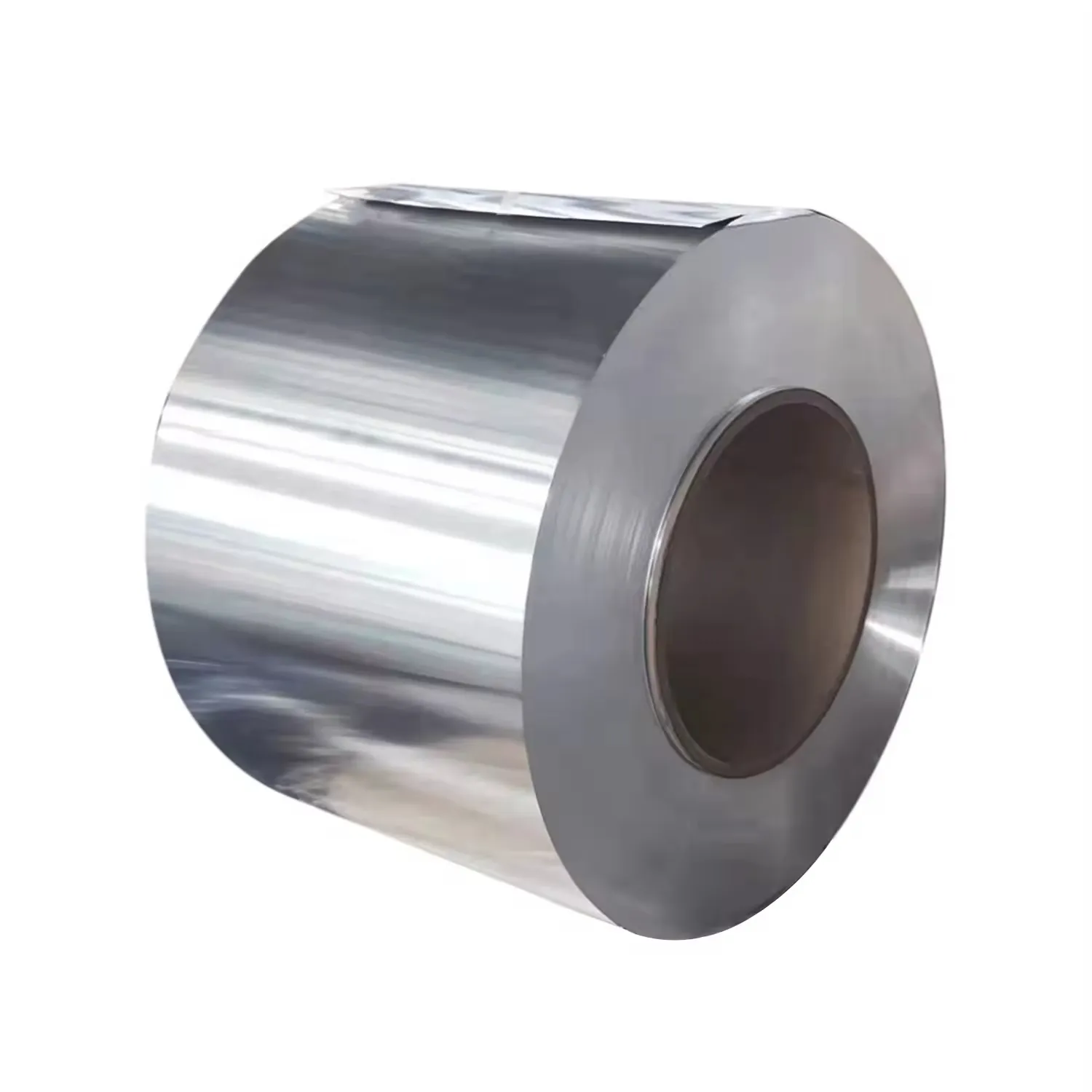
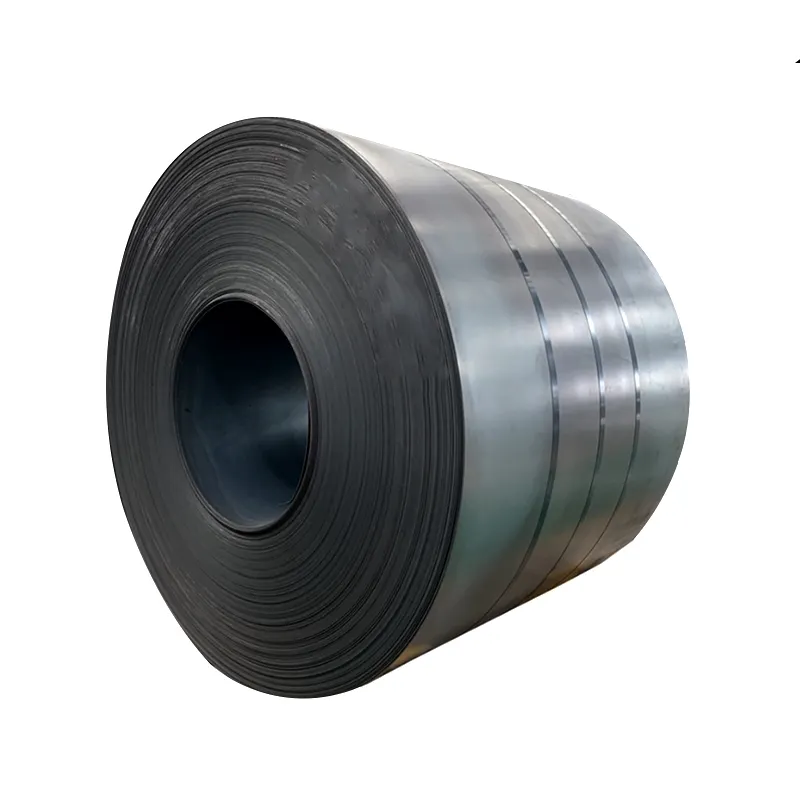
The automotive and broader transport manufacturing industry is a landscape of relentless innovation, driven by goals of efficiency, sustainability, and enhanced performance. While traditional materials like bare steel and aluminum dominate the primary structure, there is a growing and strategic use of engineered materials like PPGI (Pre-Painted Galvanized Iron) for a diverse range of applications. PPGI automotive sheet represents a category of pre-finished metal that offers a compelling combination of functionality, protection, and cost-effectiveness for both interior and exterior components. For manufacturers and suppliers within this global sector, understanding the potential and specifications of PPGI is key to optimizing part design, streamlining assembly, and ensuring long-term durability. At Baotai Metal Materials Group, our two decades of expertise in processing and coating steel position us to be a knowledgeable partner in exploring these applications.
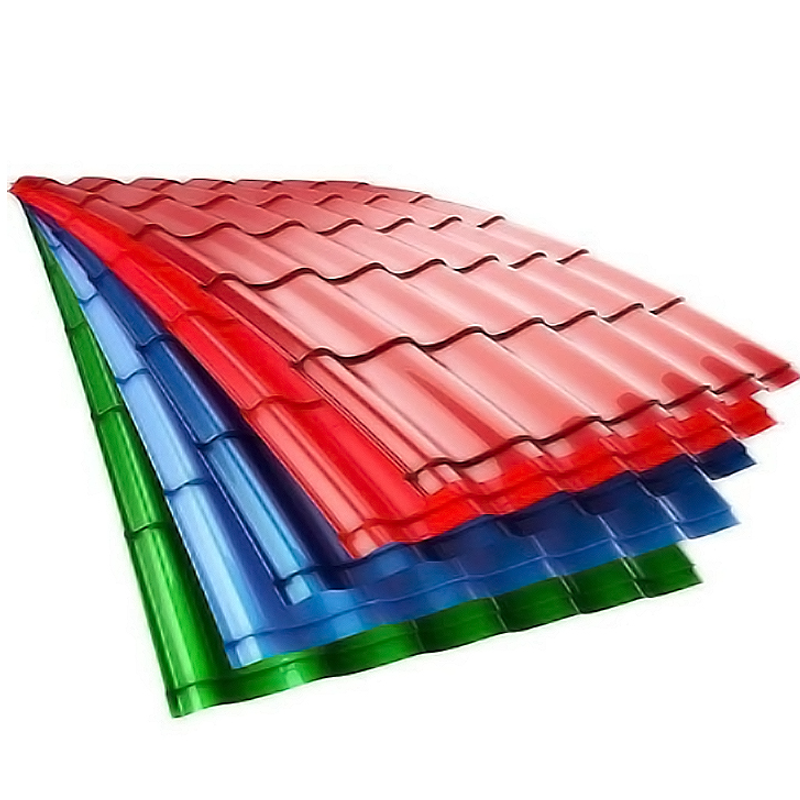
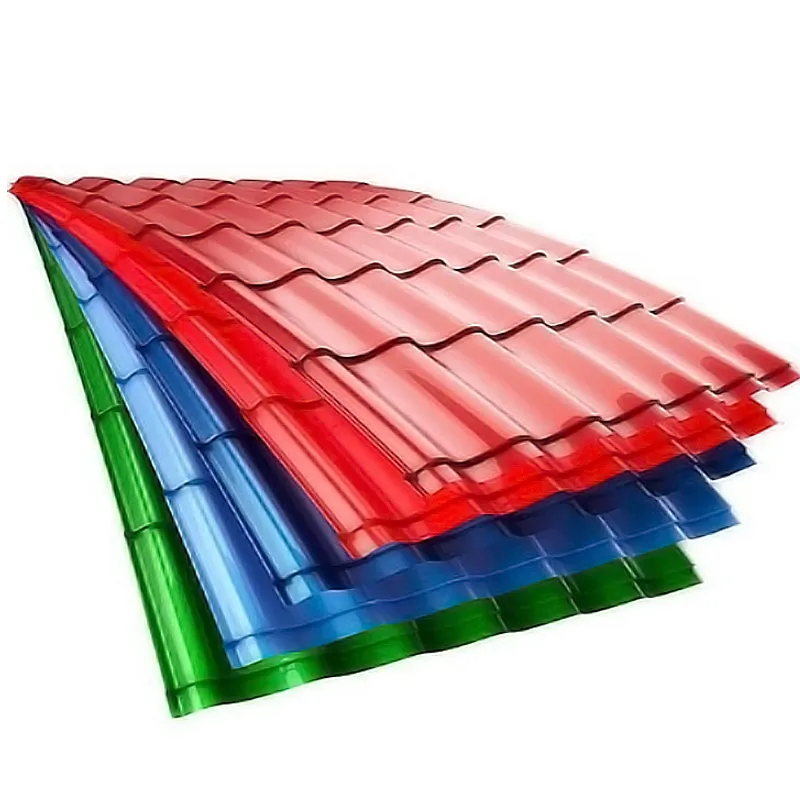
The intrinsic value of PPGI automotive sheet lies in its composite, ready-to-use nature. It arrives at the manufacturing facility with a corrosion-resistant galvanized layer already bonded to the steel substrate and a high-quality paint system applied in a controlled factory environment. This pre-finishing eliminates multiple downstream steps such as separate cleaning, priming, and painting for specific parts, which can significantly reduce production time, lower VOC emissions, and minimize factory floor space dedicated to paint shops. For instance, consider the production of interior door panels or rear trunk linings for passenger vehicles. Using a PPGI sheet with a pre-applied, durable, and aesthetically pleasing coating allows the part to be formed and then installed directly, skipping the post-forming painting process entirely. This not only accelerates assembly line speed but also ensures a perfectly uniform color and finish that is free from the drips or inconsistencies possible in secondary painting operations. The sheet can be specified in various paint systems, including robust Polyester or PVDF, to match the required scratch resistance, gloss level, and texture for the application.
Beyond passenger car interiors, PPGI finds significant utility in the medium and heavy-duty transport sector. The construction of truck bodies, trailers, and bus interiors presents a perfect use case for PPGI automotive sheet. These large-area applications benefit immensely from the material's combination of strength, lightness (compared to some alternatives), and built-in corrosion protection. A refrigerated trailer, for example, requires robust, sanitary, and easy-to-clean interior walls. A PPGI sheet with a smooth, chemically resistant coating is an ideal choice, offering durability against impact and moisture while maintaining a clean appearance. Similarly, for exterior body panels on buses or box trucks, PPGI provides a long-lasting, color-fast surface that withstands weathering, road debris, and frequent washing. The galvanized underlayer acts as a critical defensive barrier, preventing rust from spreading from cut edges or scratches—a common failure point in painted bare steel.
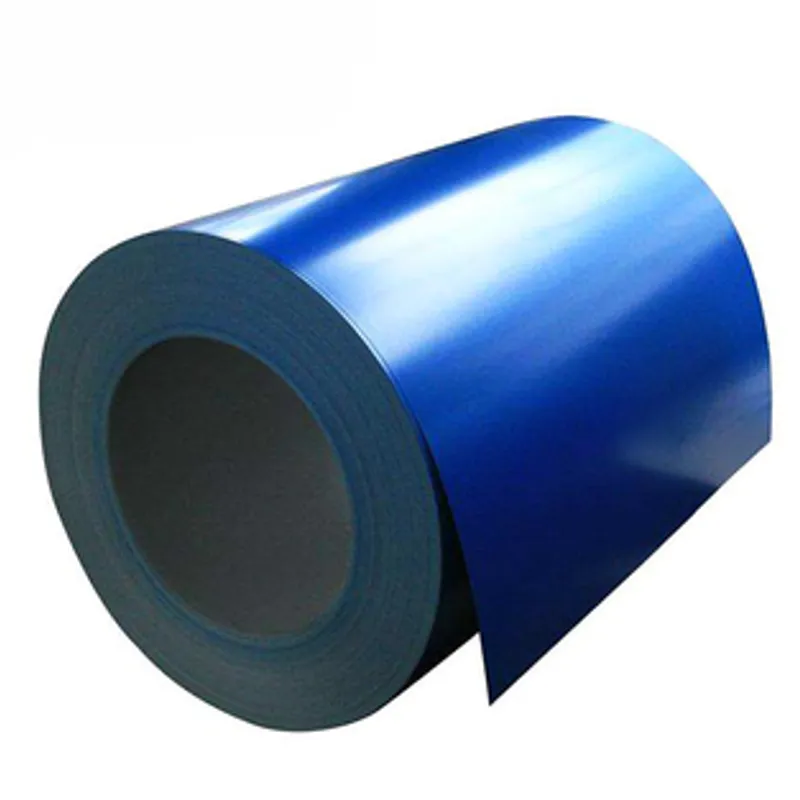
However, successfully integrating PPGI automotive sheet into component manufacturing requires a supplier who understands the technical nuances beyond mere commodity supply. The formability of the sheet is paramount; it must be capable of being bent, stamped, or roll-formed without the paint cracking or delaminating from the metal substrate. This is where the quality of the substrate, the chemical pretreatment, and the paint formulation intersect. At Baotai Metal, our process begins with sourcing galvanized coil from reputable partners, ensuring a consistent and formable base. Our in-house processing control allows us to tailor parameters to enhance the suitability of the sheet for forming operations. Furthermore, our value-added services are directly aligned with automotive supply needs. Precision slitting is critical to provide the exact coil widths required for efficient nesting on stamping presses, minimizing material waste. Precision leveling guarantees the flatness of the sheet, which is essential for uniform feeding into automated production lines and achieving consistent part quality.
Navigating material specifications for the transport industry also involves adherence to standards and traceability. While PPGI may not always be subject to the same stringent standards as safety-critical structural steel, its performance in terms of coating adhesion, corrosion resistance, and durability is still quantifiable. Our company's foundation of ISO 9001 certification provides a framework for consistent quality management, while specific product certifications can be discussed based on project requirements. For a manufacturer developing a new line of vehicle storage compartments or internal partitions, partnering with a certified supplier like Baotai Metal reduces supply chain risk. It ensures that the PPGI automotive sheet received will perform predictably batch after batch, contributing to a reliable final product.
The application of PPGI in automotive and transport contexts is a testament to intelligent material selection for optimized manufacturing. It is a solution that addresses durability, aesthetics, and production efficiency simultaneously. For OEMs, tier suppliers, and fabricators looking to explore the advantages of pre-finished metals, a collaborative approach with an experienced processor is essential. We invite you to contact our technical team to initiate a detailed discussion. By sharing your component design, performance requirements, and production process, we can collaboratively assess the suitability of our PPGI and advise on the optimal specification, gauge, coating, and processing to bring efficiency and value to your next project.

 EN
EN