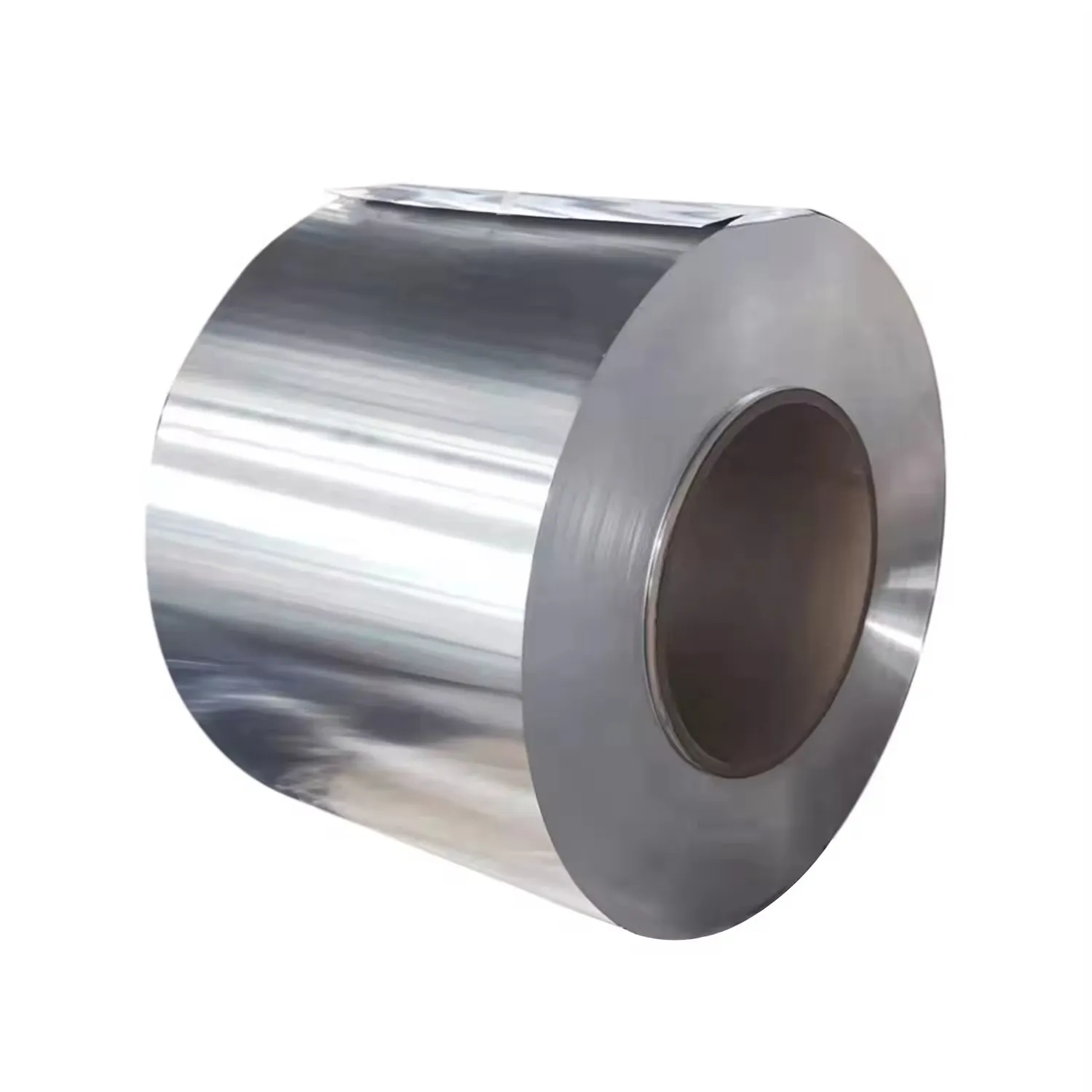
Cold rolled steel coils really boost the strength in all sorts of products from appliances to automotive parts. Let's take a look at what makes cold rolled steel special, how it gets processed, and why different industries rely on it so much. When c...
VIEW MORE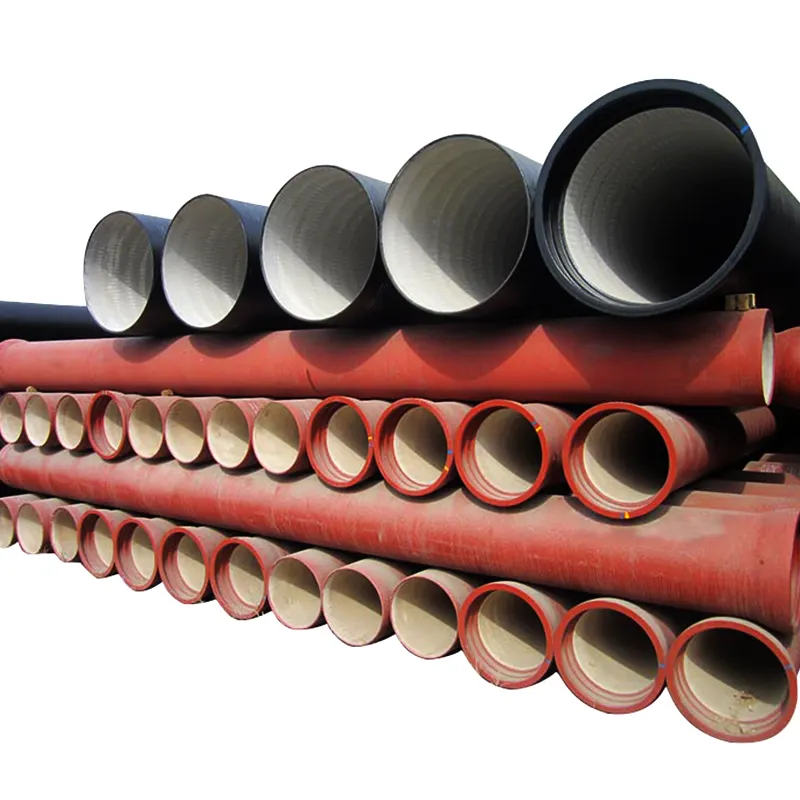
Ductile iron pipes play a vital role in today's infrastructure developments, particularly in water distribution networks and wastewater management systems across cities. Beyond municipal applications, these pipes find their way into various industri...
VIEW MORE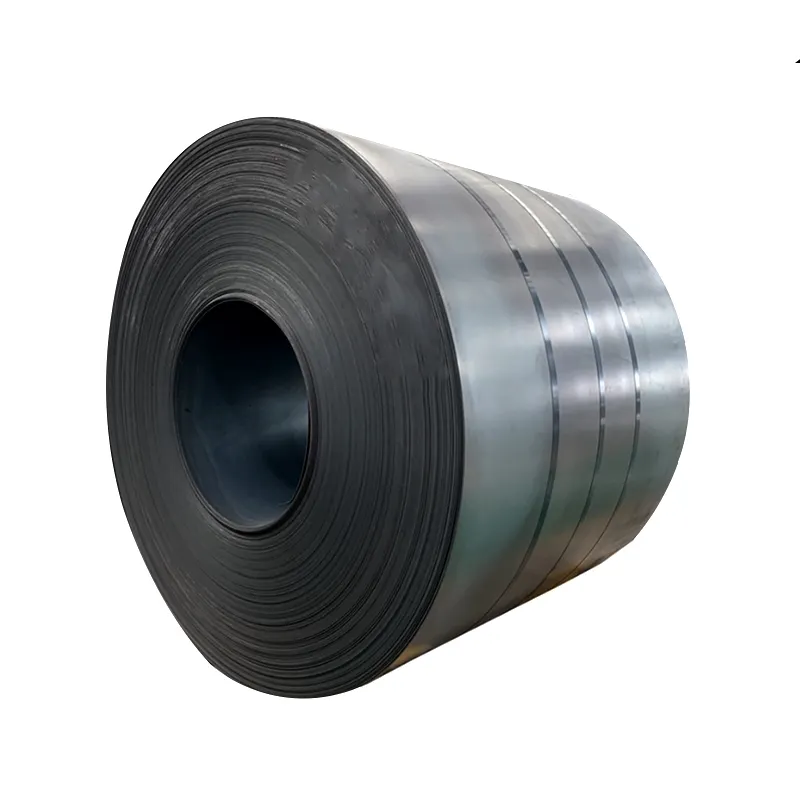
Color coated steel coils have emerged as an influential material within diverse industries concerning engineering and construction aesthetics. These attributes make these coils stand out because they provide further scope for imagination, giving life...
VIEW MORE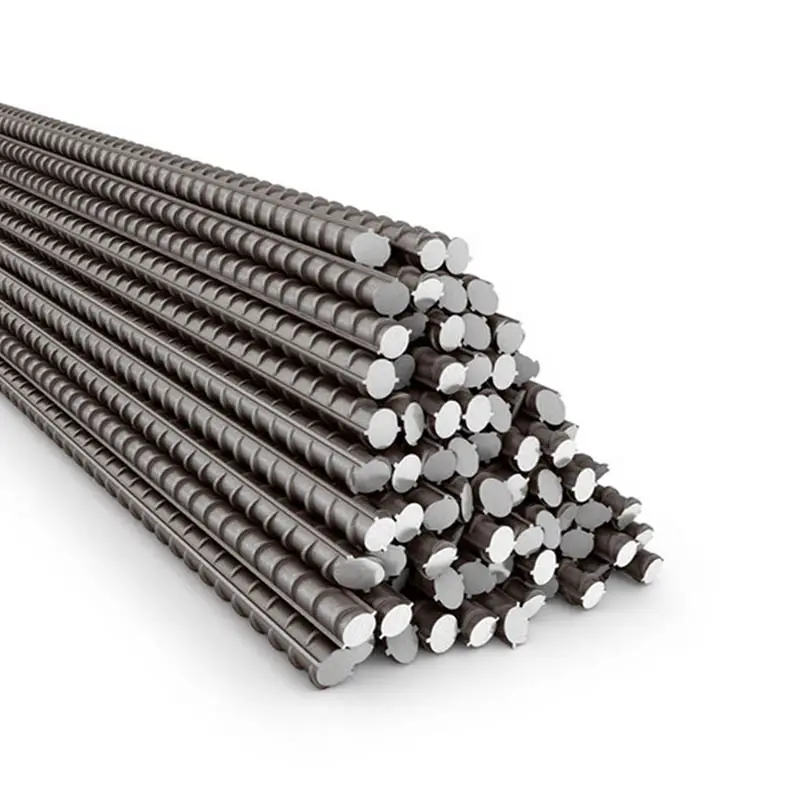
In an era defined by urbanization, sustainable design, and technological innovation, high-quality steel rebar is poised to revolutionize the future of construction. As infrastructure demands grow and structures aim for greater durability, steel reba...
VIEW MORE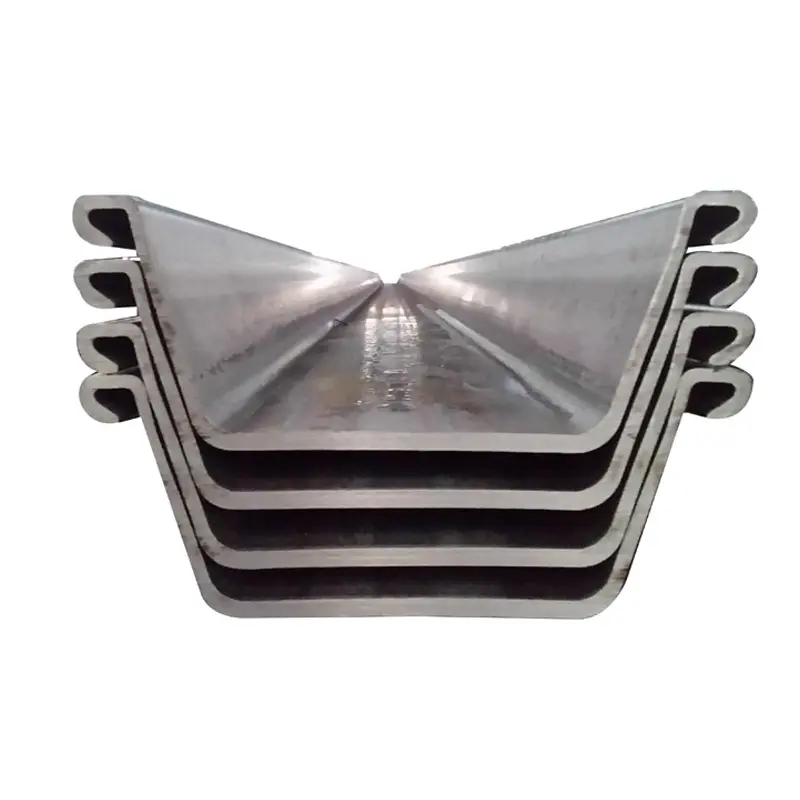
Among the most popular materials that can be used in modern engineering are carbon steel plates. These enable a range of manufacturing works, from generalized industrial fabrication to some specific structural detailing, which speaks to their usefuln...
VIEW MORE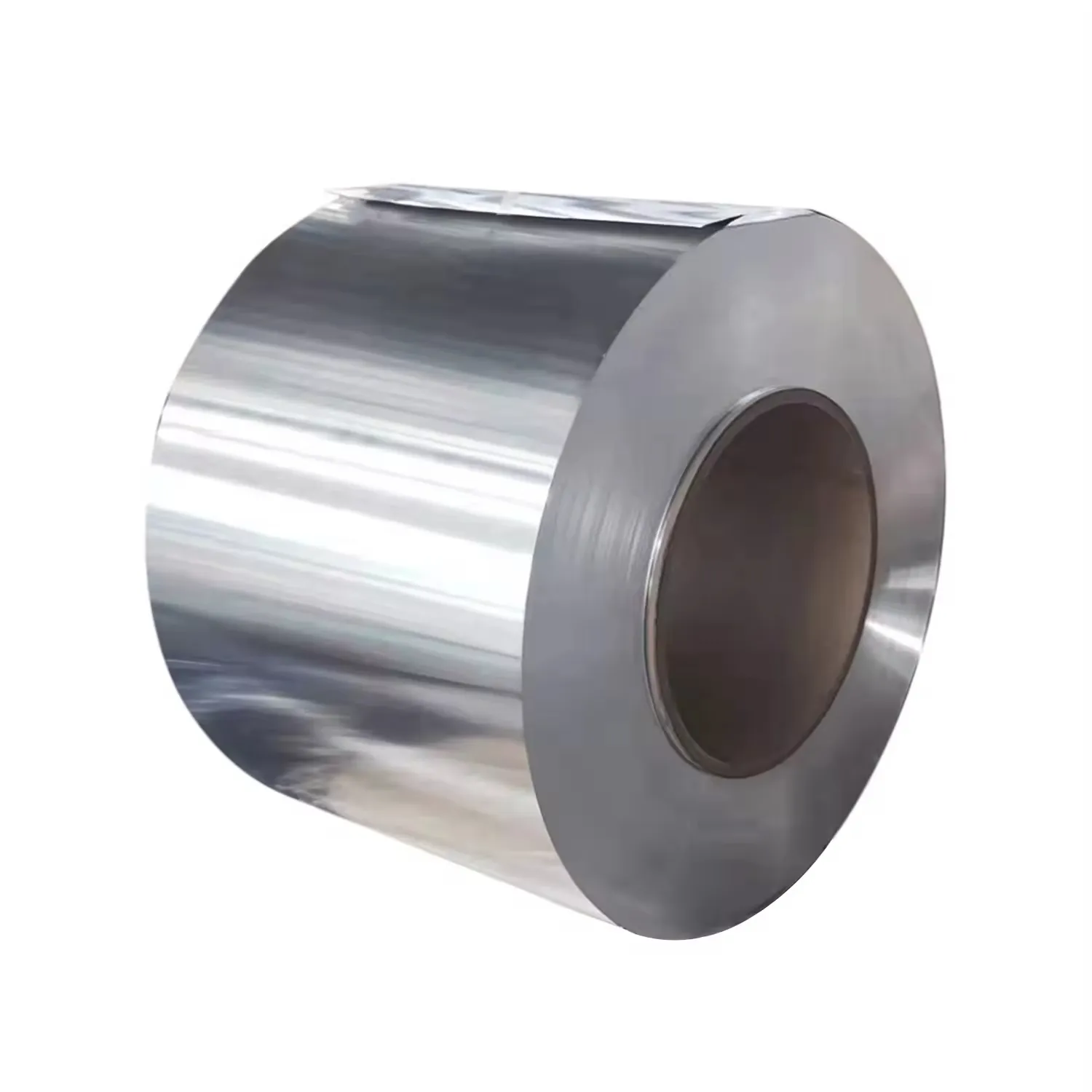
Due to its advanced corrosion prevention capabilities, a coil of steel has evolved into galvanized steel coils in modern-day construction activities. In this article, we will discuss the reasons for such widespread popularity among builders, engineer...
VIEW MORE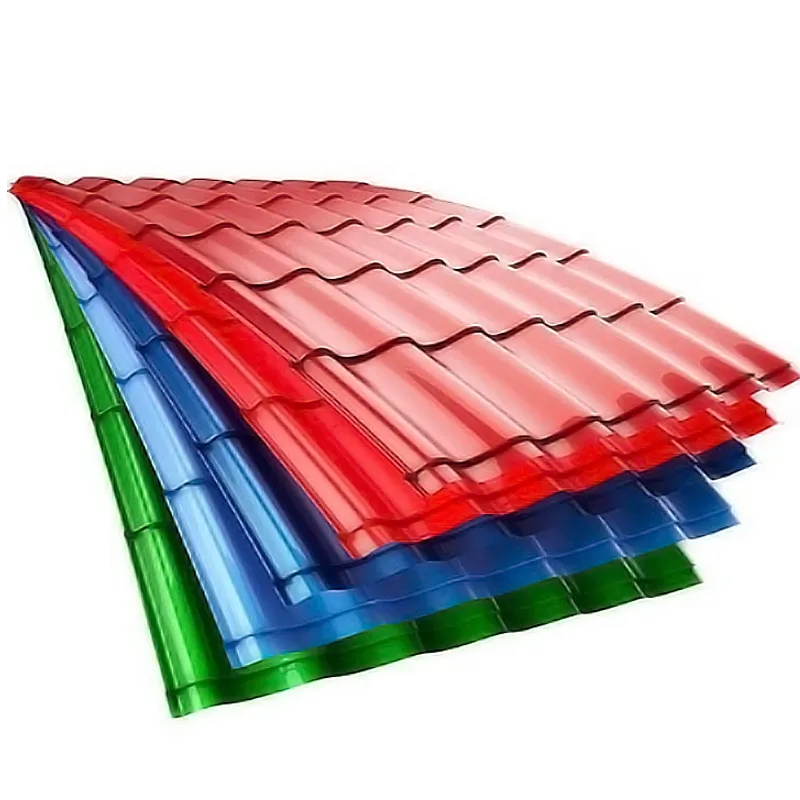
In the ever-evolving world of architecture and interior design, innovative materials are constantly reshaping how we approach home construction and aesthetics. One such material gaining traction is Pre-Painted Galvanized Iron (PPGI). Known for i...
VIEW MORE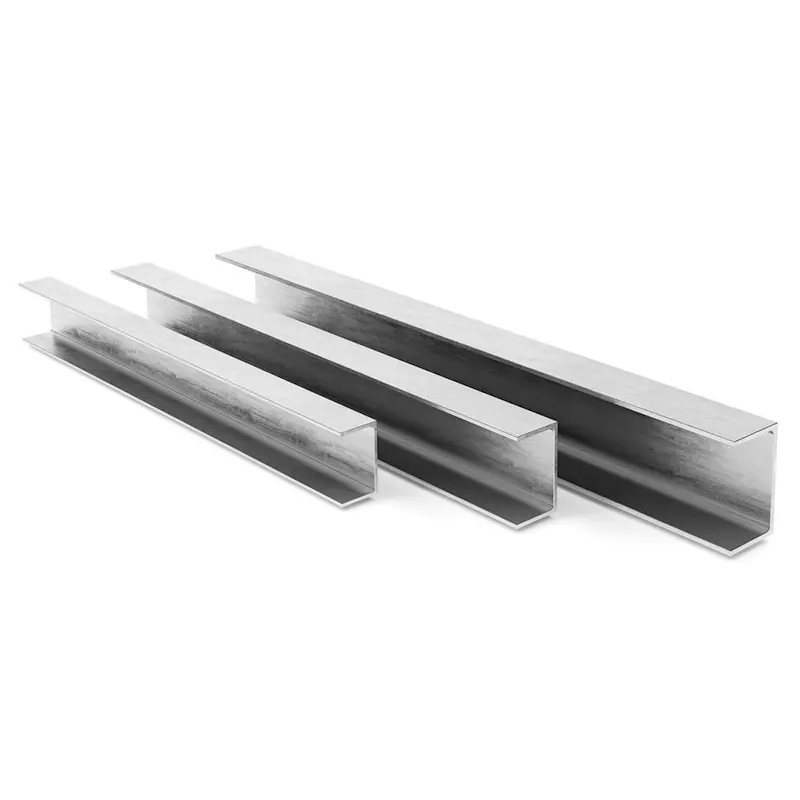
Core Structural Properties of Channel SteelYield and Tensile Strength Across ASTM A36, EN S275JR, and SS400 GradesYield strength marks the stress threshold at which channel steel begins permanent deformation; tensile strength reflects its maximum loa...
VIEW MORE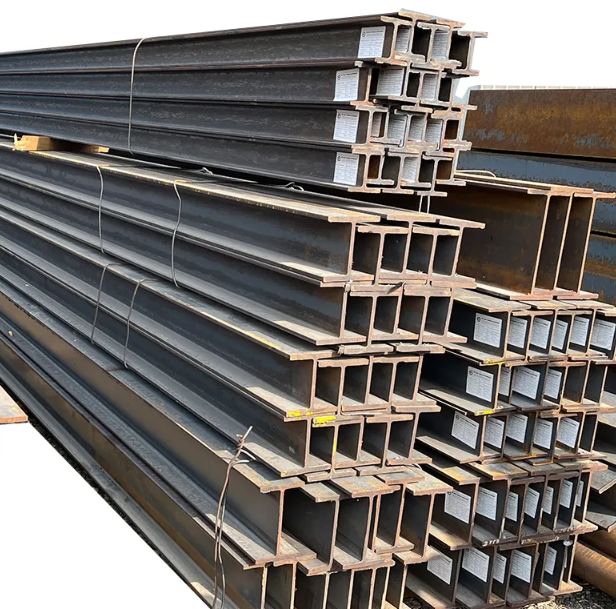
Geometric and Dimensional Differences Between H Beam and I BeamFlange Width and Parallelism: Why H Beams Have Equal, Parallel Flanges While Traditional I Beams Feature Tapered FlangesThe most striking geometric distinction lies in flange design. H-be...
VIEW MORE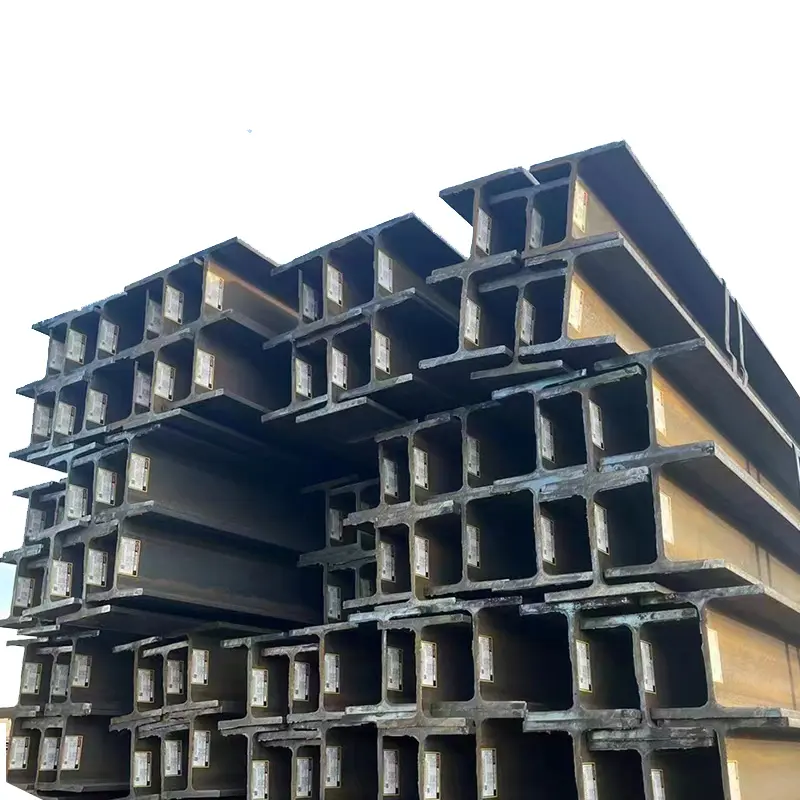
Why Durable Hollow Section Is Critical for Modern Structural IntegrityStructural integrity forms the backbone of safe, enduring buildings—and durable hollow sections are pivotal in achieving it. Unlike solid alternatives, rectangular (RHSS), square (...
VIEW MORE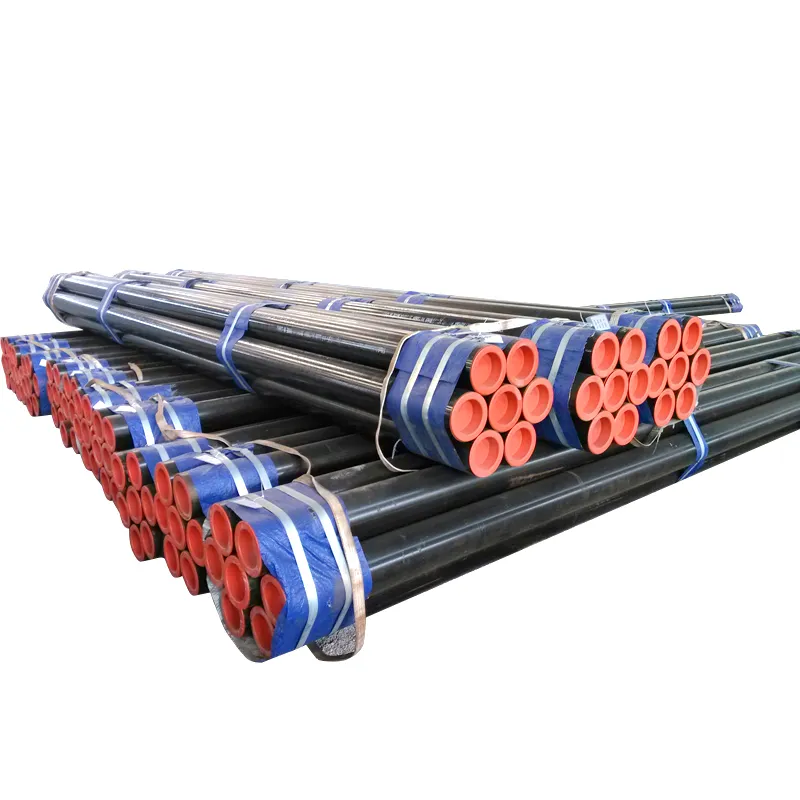
Why Corrosion Resistance Matters for Spiral Welded PipeElectrochemical Vulnerability at the Helical SeamThe helical weld seam introduces a fundamental electrochemical vulnerability in spiral welded pipe. Unlike seamless pipe—whose uniform microstruct...
VIEW MORE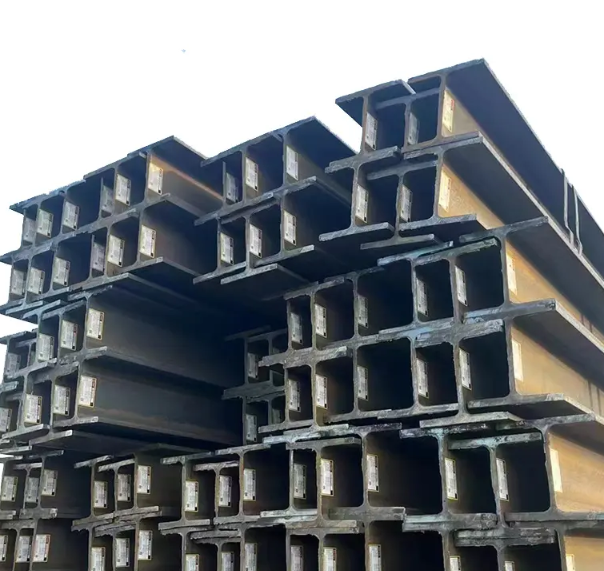
Structural Efficiency: How I Beam Geometry Maximizes Strength-to-Weight RatioThe Physics of the I-Shape: Neutral Axis, Bending Resistance, and Shear DistributionThe I beam’s structural efficiency arises from its intelligent geometry: material is conc...
VIEW MORE
Copyright © 2025 by Shandong Baotai Metal Materials Group Co., Ltd.
 EN
EN